
How to Hydrate Skin

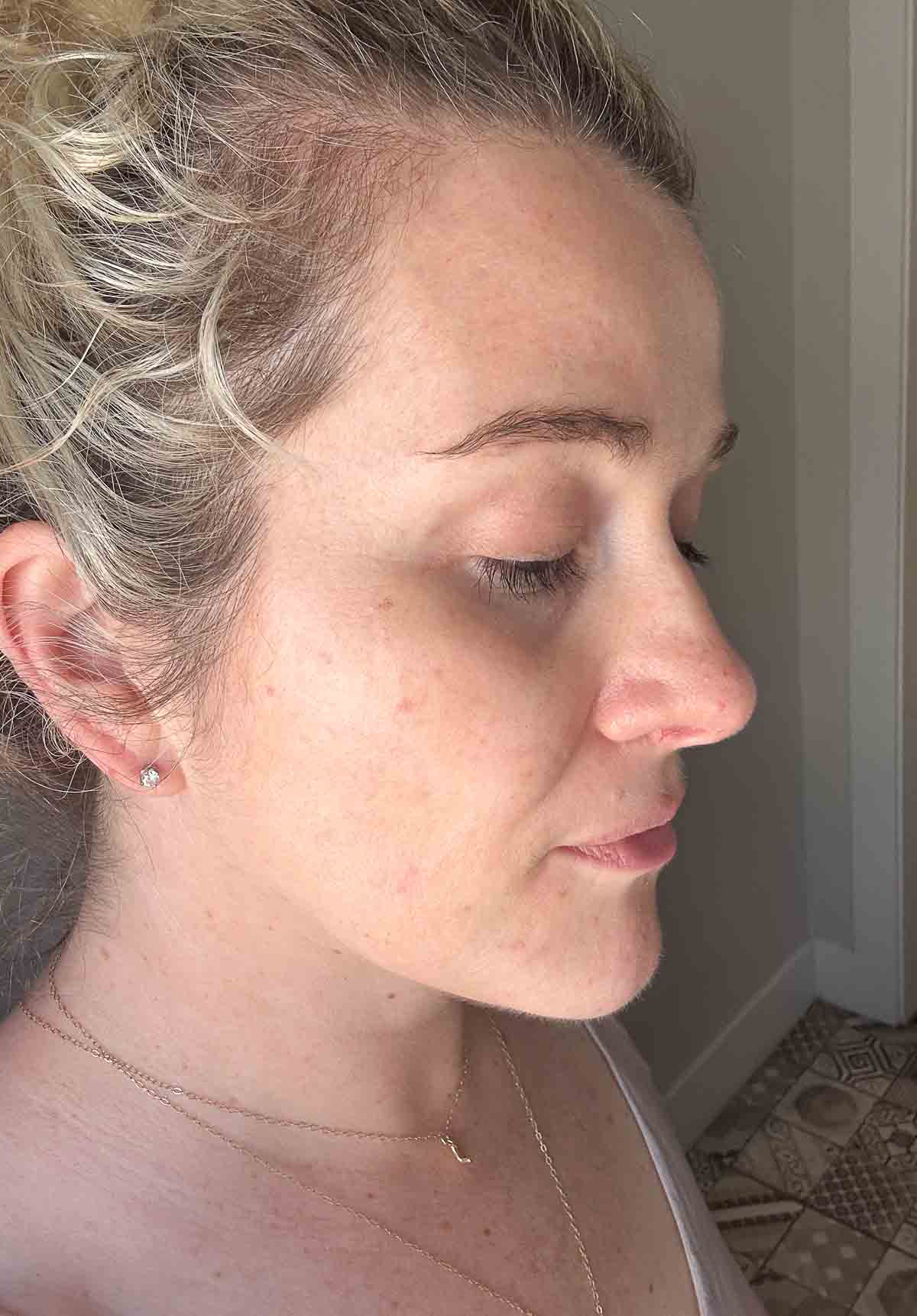
Since moving to northern California, having a baby, buying our first home, and enjoying the last few years of my 30s (all this happened in 2019 by the way), I now understand all the skincare concerns. Dryness. Hyperpigmentation. Fine lines. Yep, I’m here for them – whether I want them or not. You know what the common denominator is with all these, however, is hydration, so here are all the ins and outs for how to hydrate skin overnight (since that’s when your skin is hardest at work).
When it comes to hydrating your skin – overnight or during the day – it’s not just a single product you can use. There’s really no single magic serum. I know. I was bummed too. But there are some AMAZING products and some simple practices to incorporate as needed without losing your mind!! Yep, we’ll talk about helping repair your skin barrie and how to lock in moisture while your skin naturally rejuvenates as you sleep.
CONTENTS
How to Hydrate Skin
There’s a reason sleep is so crucial for us – and it isn’t just muscle recovery or life-processing. Our bodies actually go into hyperdrive while we sleep (cuz we aren’t distracted by all the other things). While you sleep your skin’s repair mechanisms are at a peak and it’s therefore the ideal window for deep hydration.
Proper hydration (internal and topical) supports the skin’s moisture barrier (basically your protection), reduces dryness lines, and increases radiance by morning, and how sleep quality, environment, and routine consistency all contribute to hydration outcomes.
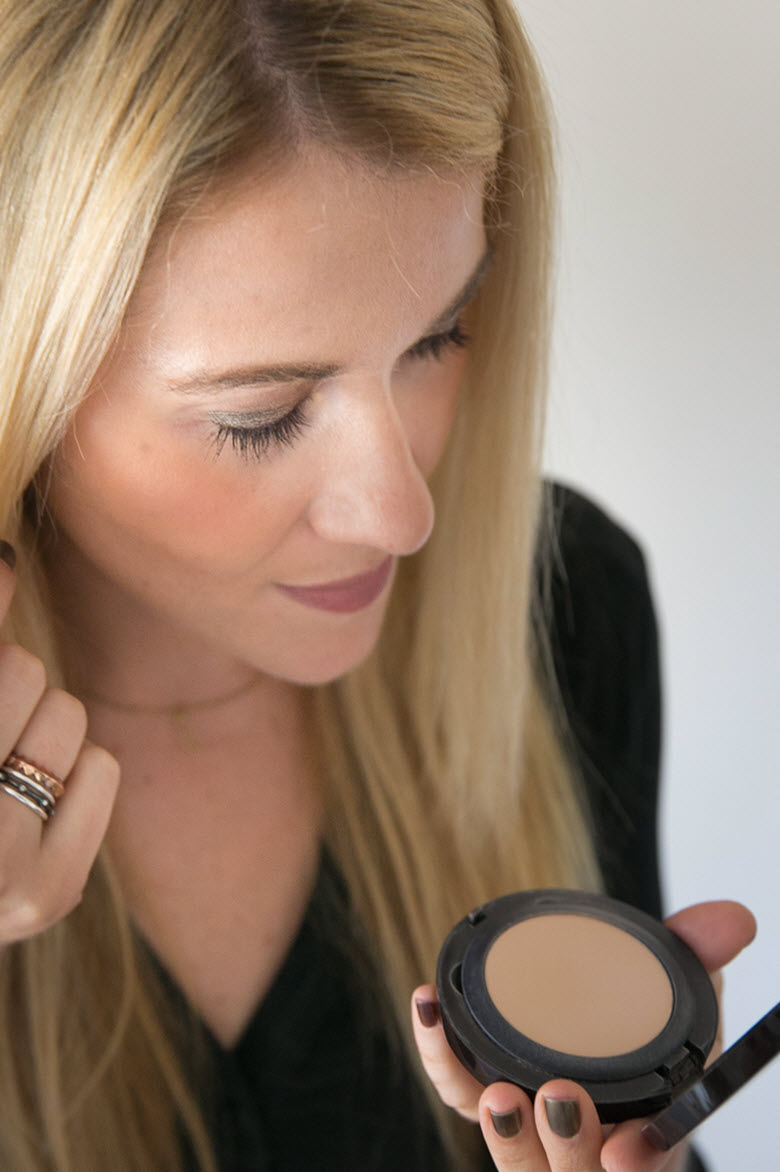
And if you aren’t sold yet, hydrated skin means makeup goes on better and stays in place better.
What Does It Mean to Hydrate the Skin
Ok. A little tiny bit of science, but I promise it’s simple and will help you pick the right products for your current skin need. The terms ‘hydrating’ and ‘moisturizing’ are often used interchangeably, but they’re actually different. Hydration refers to water-based ingredients. Moisturizing refers to oil-based items.
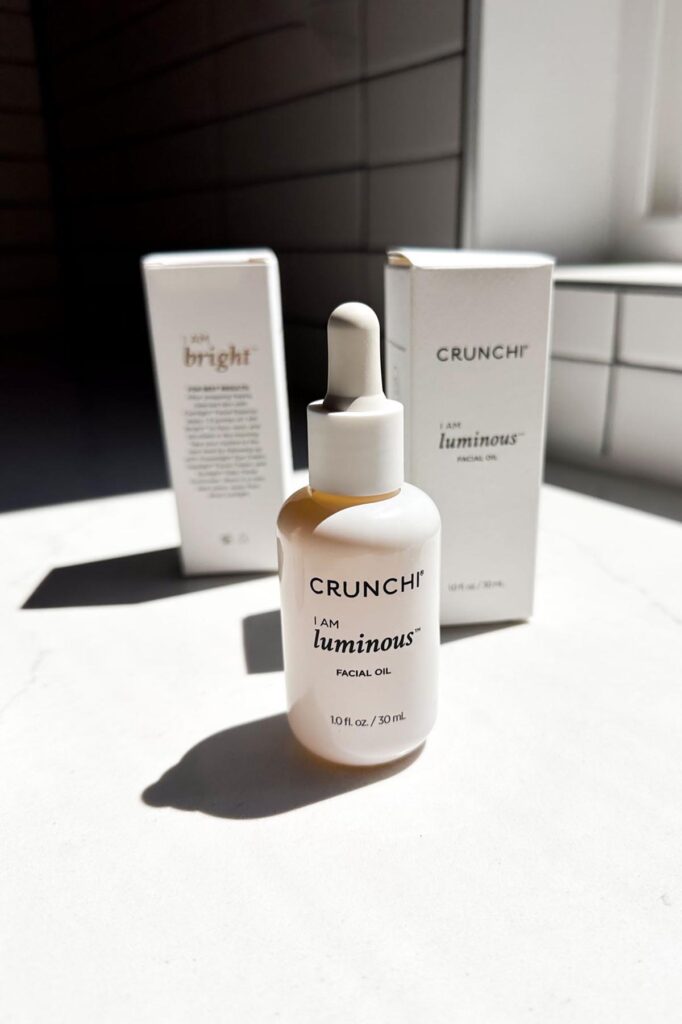
I shared a bit more about the difference between a lotion/cream and an oil in this article on the best facial oil. I have both in my bathroom cabinet and use them slightly differently depending on my skin’s needs at any given time (my skin wants different things in summer than winter)!
It’s important to get that right breakdown for you to get your skin barrier all happy and healthy. A hydrated skin barrier improves elasticity, comfort, and glow – basically you look and feel fabulous.
What Does Dry Skin Look Like
Ok. So we all think about flaky, rough skin when we think dry skin, but those aren’t the only signs of dry skin. And, that flaky, rough skin is really pretty far along in the process of dry skin. So how can you tell beforehand?
If you’re in tune with your skin, you’ll be aware of dullness before anyone else (hi, it’s me! 🙋🏼♀️). Other signs of skin needing hydration include redness, more noticeable appearance of fine lines, tight feeling skin, and – THIS ONE SURPRISES EVERYONE – oily spots and breakouts.
I know that last one sounds counterintuitive, but hear me out. When your skin is dry, your body tries to help, so it produces extra sebum to help with hydration. Well the extra sebum is what makes your skin feel oily and what can eventually lead to breakouts.
The hard part here is that so many people start using products designed to dry out skin (think acne-lines) and this ends up exacerbating the problem – products dry out skin more, so your body excretes more sebum. You can’t blame it for trying!
One way to figure out if your skin needs hydration is to check your makeup through the day. If you makeup doesn’t want to sit evenly on a part of your face, there’s likely dry skin. If your makeup wears off in areas because of ‘oiliness,’ then you actually have dry skin! It’s the fastest way for me to tell if I or someone else really just needs the right hydration and moisturizing.
What Causes Dry Skin
Dry skin comes from a variety of sources, but here are some common ones:
- Dry climates (potentially seasonal)
- Low humidity from heaters and AC, cold weather.
- Hot showers/face washing – strips your natural oils (which your body will just replace and add on to).
- Harsh cleansers (think acne face washes)
- Aging (c’est la vie!)
- Over-exfoliating or using strong actives without proper hydration can weaken the barrier.

What Does Hydrated Skin Look Like
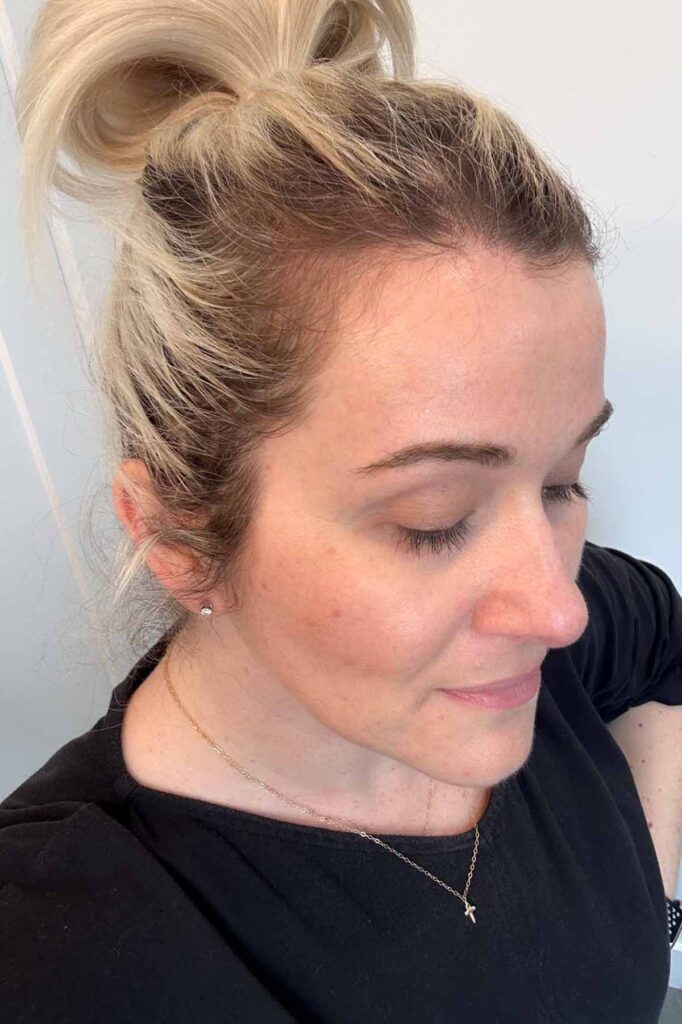
Hydrated skin looks, well, hydrated. It looks glowy – not like oiled up but it has a natural luminescence in the sunlight. You might still have fine lines, but they won’t be super noticeable.
Can You Hydrate Through Your Skin
Hydration comes from sources of water – internally and externally (topical). Your skin (and nails) happily take hydration from you internally, but skin and nails are at the bottom of the list of your body’s needs for hydration….so they’re the first to go when you’re dehydrated. Yep, so keep yourself very hydrated if only for the sake of your skin and nails.
And your skin can absorb hydration topically, but straight water won’t cut it – it just evaporates. Hence why you need a good facial cream with ingredients to attract and hold onto water to hydrate your skin.
What Hydrates The Skin
Hyaluronic Acid
Hyaluronic acid can hold up to 1,000 times it weight in water, so it holds onto the water to hydrate your skin. Because of all this, it actually helps you skin be more flexible (i.e. reducing wrinkles and lines).
It is important to note that hyaluronic acid doesn’t do anything if it doesn’t have very available access to water. Staying hydrated (internally) is important, but using a facial mist or essence before a product with hyaluronic acid is really how the magic happens!
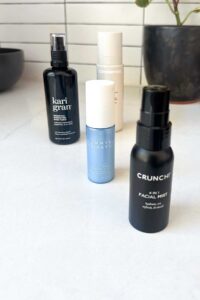
These are the best facials mists (though this one is a clear winner to me). If you want more info on what skin toners are for – read that post. They’re the icing on top to a complete skincare routine – trust me!!
Ceramides
Your skin actually has ceramides, but as we get older, they aren’t replenished as well as they were when we were younger. Products with ceramides help to replenish those. But what do ceramides do? They actually are the glue (or sorts) that keeps your skin barrier all connected and happy. Your skin barrier is basically a barrier between the inside and outside world, so a strong and healthy skin barrier keeps your skin healthy and safe! Ceramides are a moisturizer, so these are usually in a cream/moisturizer.
Shea Butter
Shea butter acts like a barrier, helping you keep your skin retain moisture. Raw shea butter contains anti-inflammatory substances, which help ease swelling and redness too. These should be applied in the last phase of your skin care – to seal in your hydration.
Squalane
Squalane is a lightweight moisturizer that mimics the squalene naturally found in our bodies. Unlike many other oils, squalane is non-comedogenic (doesn’t clog pores), and feels much lighter. It’s a great last layer in your skincare routine (read what order should I do my skincare)!
Niacinamides
Niacinamides are another great option to help support your skin barrier. They’re also purported to help regulate oil production, helping your skin get to a good balance of hydration, moisturization, and (not) dryness. Niacinamides also help with redness and reduce wrinkles and fine lines by encouraging collagen production. It’s really a powerhouse!
How To Hydrate Your Skin Overnight
Cleanse Gently Without Stripping Moisture
One of the first things to do before you buy new products is to double check what you’re currently using. Make sure you aren’t using products designed to dry out skin. Look for an of those ingredients above.
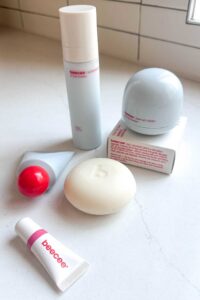
I use this cleansing oil in the morning and I use this double cleansing duo every night.You can read my full review of the best natural face wash to see what’s best for you. I very much encourage you to look at what cleanser you’re using now.
And wash with lukewarm instead of hot water to prevent drying. This goes for showers and your full body too.
Layer Hydrating Products Strategically
You can read more about what order to apply your skincare. A general rule of thumb is to go thinnest to thickest (but that isn’t always the most straightforward, depending on your products).
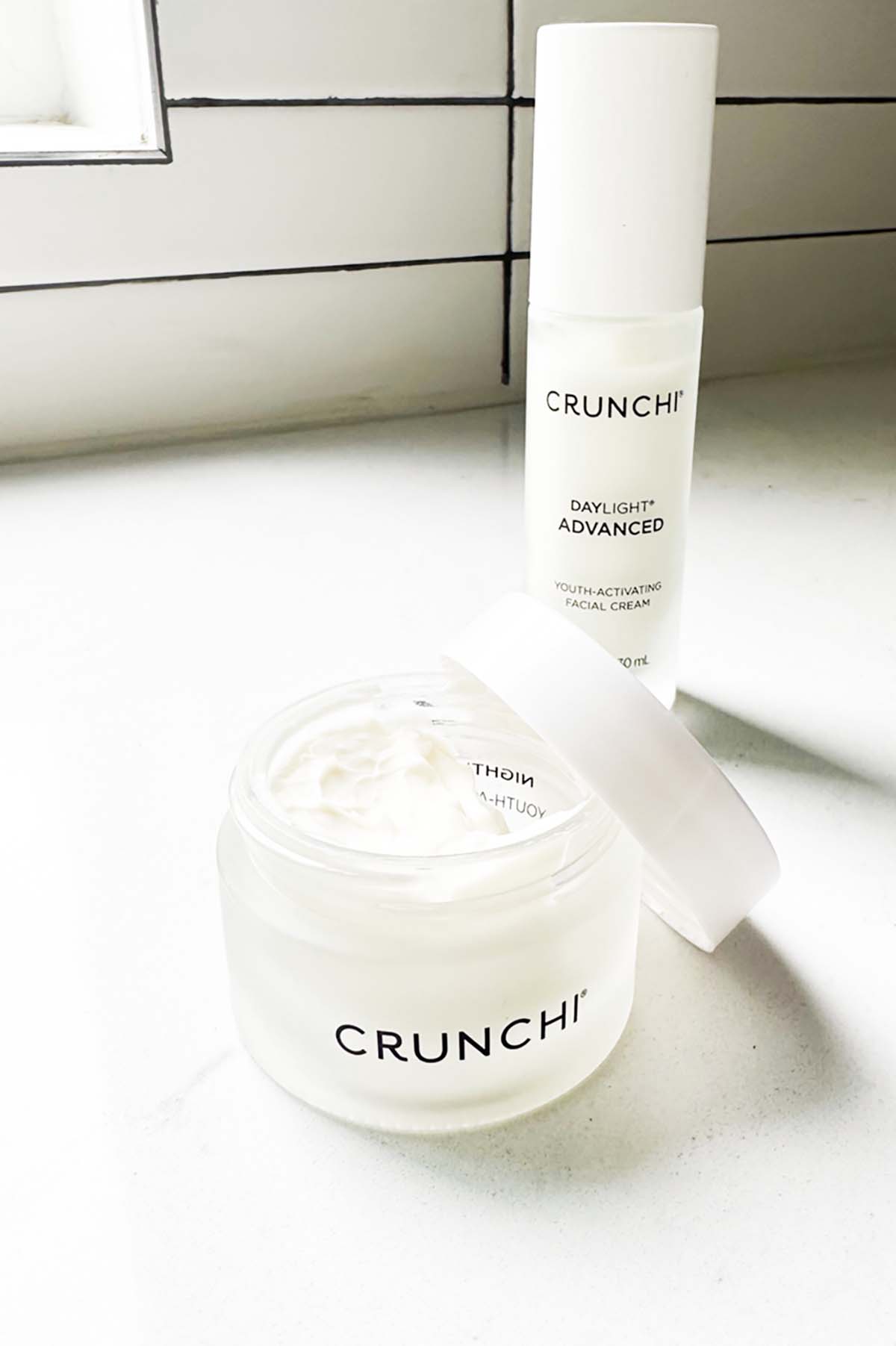
After cleansing, apply a hydrating toner/essence on slightly damp skin to improve absorption. Follow with your serum (hyaluronic serum if you really need a hydration boost), then a rich night cream and/or facial oil to lock it in.
Use a Humidifier in Your Bedroom
No matter what your skincare routine is, a cool-air humidifier next to you while sleeping can really be a game changer. This is definitely necessary if you live in a very dry climate. Humidifiers increase air moisture, so the water in your skin doesn’t evaporate as much. It can also send water your way.
We had to buy a cool-air humidifier just after our son was born and I had no idea how much our whole family would benefit from having a humidifier in the house. It’s in use for allergy seasons, cough and cold season, and totally for dry skin seasons!
Boost Hydration From The Inside
Staying hydrated all day is really key to avoiding dry skin. I don’t like to drink or eat much of anything for the last 2 hours or so before bed, so that means I have to maintain hydration throughout all other hours of the day.
Friendly reminder that coffee, alcohol, and sodium-heavy foods are all dehydrating, so you’ll want to make sure you extra-hydrate before and after consuming any of those.
If straight water is hard for you, get creative (preferably without added sugars). I love plain water, but even I get tired of it. Alternatives for me throughout the year are herbal teas, lemon in hot water, a mix of a hydration tea, and then carbonated waters (not as the norm but a ‘treat,’ and then coconut water!
And there are plenty of food that help you stay hydrated! See this list of 15 foods that help you stay hydrated!!
Adjust Routine Based on Skin Needs and Conditions
One more thing to remember is that your skin tells you when it’s unhappy, overstimulated, or ready to party! If your skin is feel sensitive, extra-red, itchy, or just generally unhappy, pulling back on skincare items can be what you need (less is often more). And how to hydrate you skin overnight might vary at different times of year.
My skin is actually seasonal (like everything else with me)! In summer, my skin is happy, healthy, and glowing. It can handle active products (think exfoliating masks, natural retinols, and brightening serums). The only thing it doesn’t want is heavy creams. In winter, my skin wants that heavy moisturizer and will let me know if I try to use my beloved exfoliating mask more than once per week.
Sometimes skin dullness and irritation isn’t actually dryness, but it’s that the barrier isn’t strong and able to protect you. At this point, pick a gentle cleanser and moisturizer or face oil and see if it starts getting happier (you should start to notice a difference within a few days but it may take months of healing for your barrier to rebuild)!