
How to Store Spices

Spices and dried herbs are the backbone of flavorful cooking. You don’t need a huge collection, but you do want to keep your everyday favorites fresh and flavorful for as long as possible. Learning how to store spices and dried herbs properly is simple—and it can help you get much more flavor out of the spices you already have.
Just like fresh food, spices and herbs slowly lose color, aroma, and flavor over time. The process is sped up when they’re exposed to heat, light, moisture, and air. You can’t prevent any of these from happening, but you can easily limit them. While a countertop spice display can look beautiful, storing spices away from heat and direct light will help preserve their flavor and color.
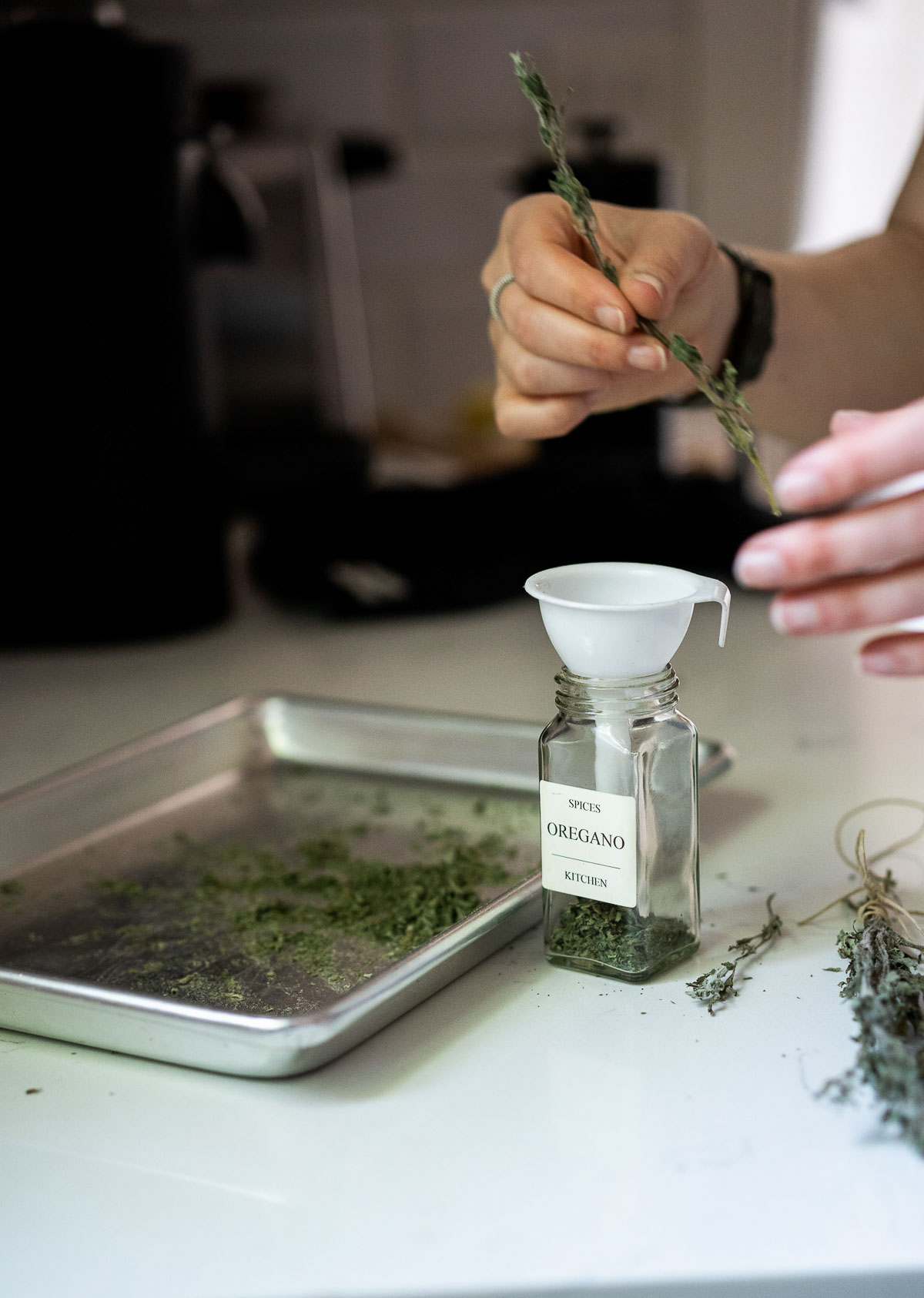
I use spices and dried herbs every single night I cook dinner. They’re nicely and neatly stored in glass jars with labels. My spice drawer is a mix of single items purchased at the grocery store, my own bottles filled as needed with bulk bought spices, and my bottles filled with my homegrown and dried herbs.
CONTENTS
How to Store Spices
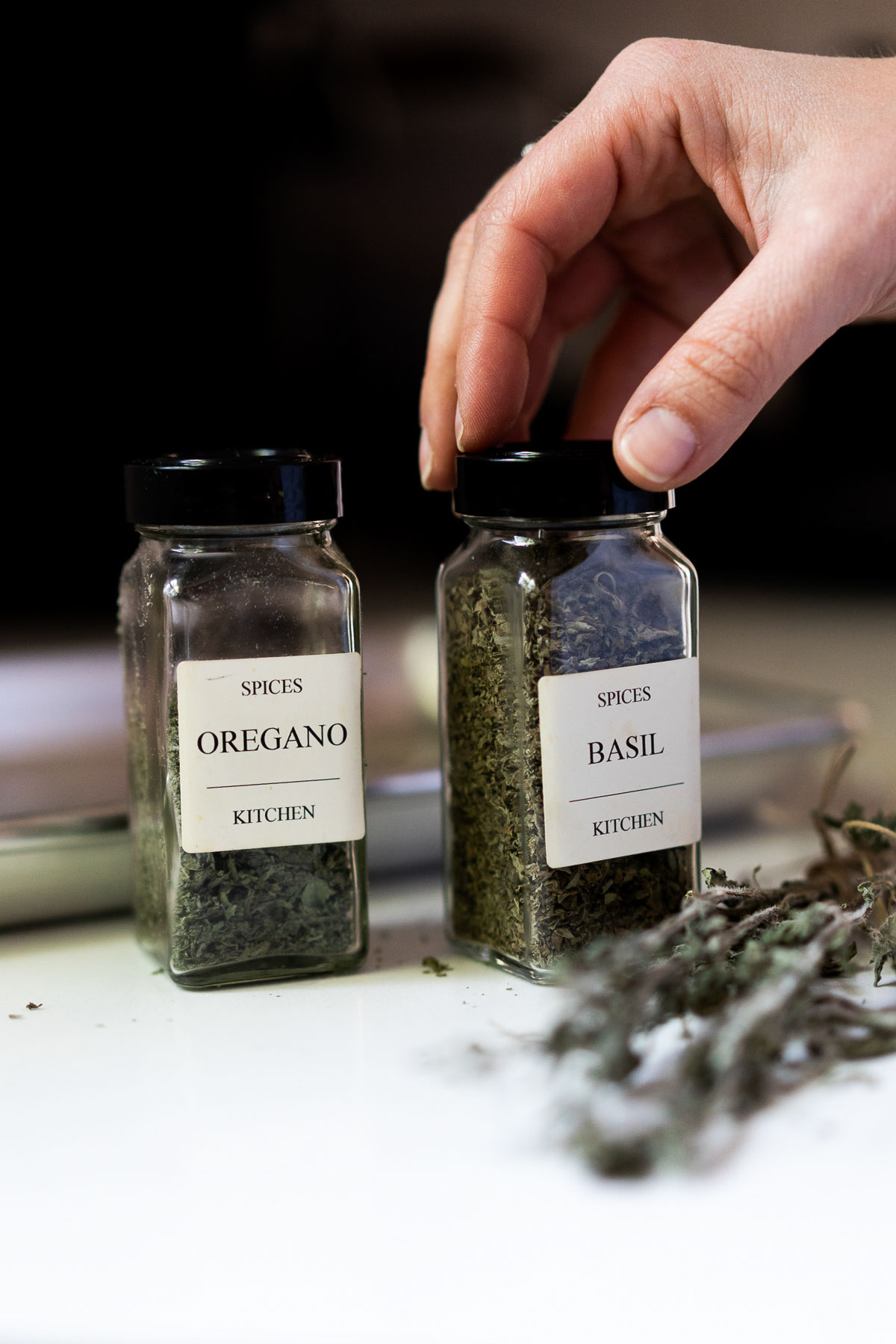
Spices should be stored in airtight containers in a cool, dark, dry spot away from the stove. This limits light, heat, and moisture from getting into your containers.
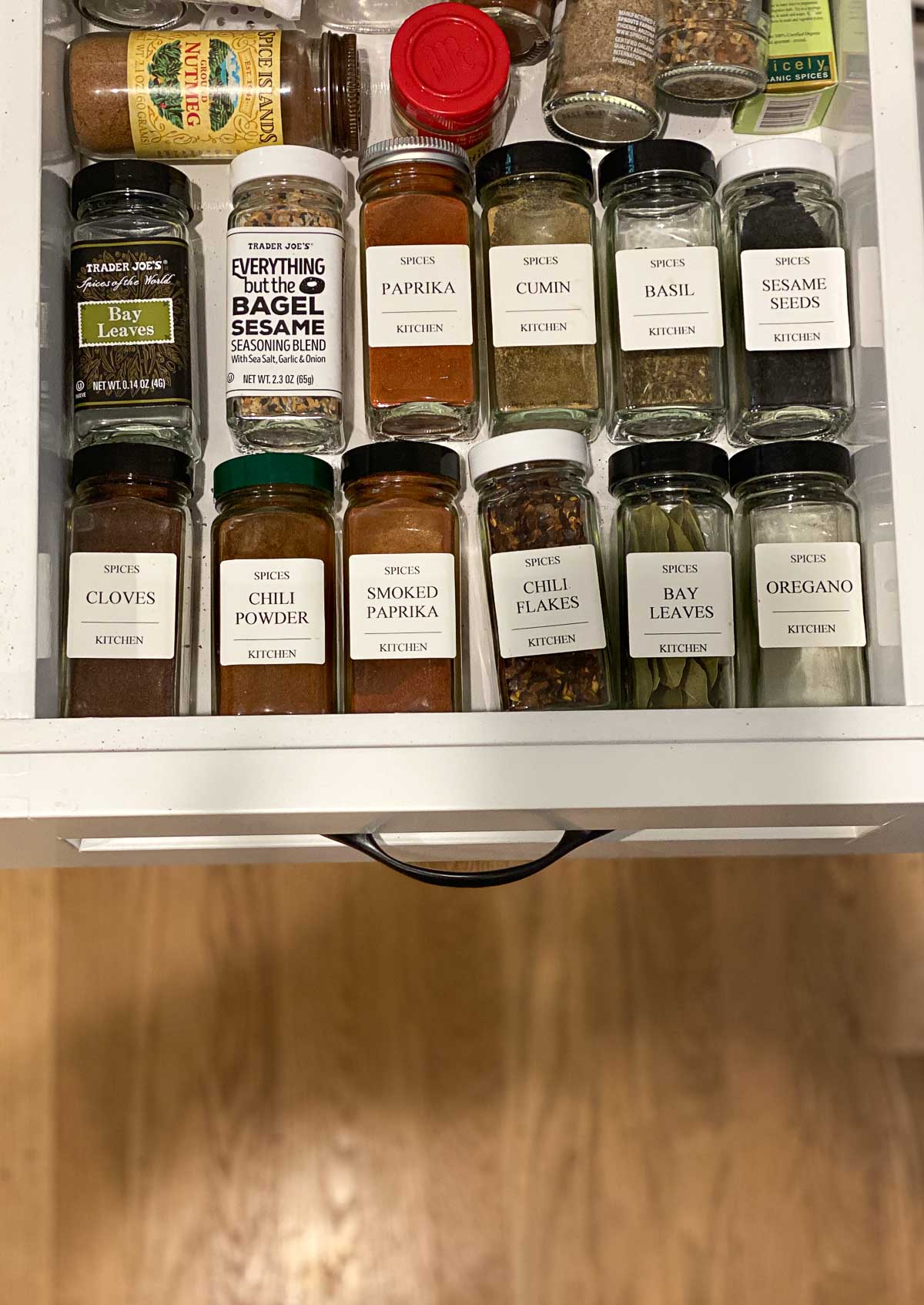
I have a drawer with all my spice jars facing up. It’s easy to use. A spice rack is also fine, but it should be stored in a cabinet or in the pantry to limit light, heat, and moisture.
A spice cabinet is fine, but I find that unless you have a great system or some kind of rack, spices can easily get pushed to the back and long forgotten. Not only will they lose their potency, but it can easily lead to double or triple buying the same spice.
Spice Storage Tips That Keep Flavor Fresh
Use Airtight Glass Jars
Like most things, spices stay fresher when they’re in a sealed container. Not only does this limit exposure to air, it also minimizes moisture and extreme temperature variations, prolonging the shelf life .
Keep Spices Away From Heat and the Stove
Heat is one of the fastest ways for spices to lose their flavor and color. Storing your spices away from the stove and oven is ideal, no matter how you decide to store your spices.
Store Spices Out of Direct Light
Light breaks down the essential oils of spices, causing them to lose flavor, color, and aroma. A drawer, cabinet, or pantry are ideal for spice storage.
Keep Moisture Out (Never Shake a Jar Over a Steaming Pot)
Moisture can deteriorate the quality of spices, but it’s also a potential safety issue with mold. This is why sealed containers are best and you want to keep spices as dry as possible when you’re using them.
Moisture can cause spices to clump and lose quality, and introducing moisture repeatedly can create conditions where mold may grow. Keep spice jars dry and avoid shaking them directly over steaming pots or pans. Instead, shake the spice into your hand, a measuring spoon, or the dish you’re preparing.
Label Jars With the Date You Opened Them
If you have trouble remembering when you opened a spice or dried herb, write the date on the back of the container. This makes it easy to keep track of freshness and know when it’s time to check its quality.
Keep Your Spices Organized So You Use Them Before They Fade
Having your spices organized helps too. Not only can you easily see what you have and can try to use it up, it will also help you from accidentally buying more of something you already have!
Buy Whole Spices and Grind as You Need Them
Whole spices generally retain their flavor and aroma longer than ground spices because less surface area is exposed to air. If you can, buy spices whole and grind them as needed (this small manual spice grinder looks ideal for the average kitchen)!
Buy Small Amounts Unless You Use a Spice Often
Buying spices in bulk can be less expensive and can reduce packaging, but it’s only a good option if you’ll use the spice before it loses much of its flavor. For spices you use occasionally, buying a smaller amount is usually the better choice.
Where Should Spices be Stored?
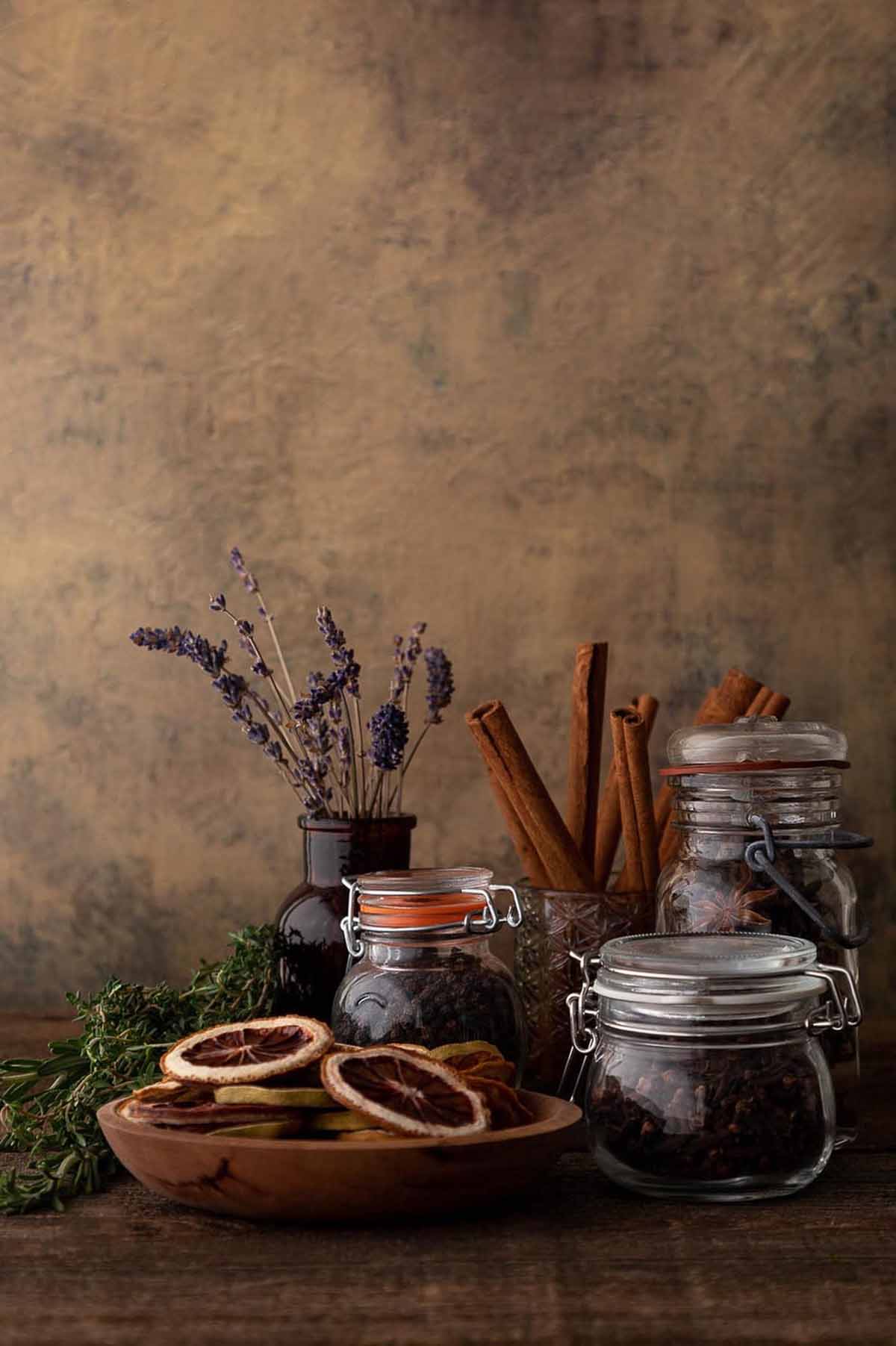
The best place to store spices is somewhere cool, dark, dry, and easy for you to access. For most kitchens, that means a drawer, cabinet, or pantry—not directly above or beside the stove.
Spice Cabinet
Spice cabinets that are organized are a great place to store spices. Ideally your cabinet is away from the stove so as to avoid heat.
Be careful with cabinets that lack organization for spice jars, however, as you can easily push less used spices back on the shelf and they’re more easily forgotten about.
Spice Drawer
My pick for the best place to store spices is in a spice drawer where everything can easily be seen, labeled, and organized. This is what we do. Again, you want to make sure it isn’t right next to the stove to avoid heat.
Spice Pantry
Spice jars can be stored in a pantry. This can be a clear way to see your spices and keep them organized. Choose a spot away from direct light and heat, and keep the jars somewhere you’ll actually remember to use them.
How Long Can You Keep Spices?
My mom, who actually does store her spices properly, would tell you that spices never really go bad—and if a jar is old, you can just add more of the spice. She’s not entirely wrong: dried spices and herbs don’t suddenly become unusable on a particular date. But they do gradually lose their flavor, aroma, and color. And since that’s the whole reason we’re using them, freshness matters!
These are general guidelines for best quality rather than strict expiration dates:
| Spice or Herb | Best Quality After Opening | Spice or Herb | Best Quality After Opening |
|---|---|---|---|
| Basil, dried | 1–3 years | Bay leaves, dried | 1–2 years |
| Black pepper, ground | 2–3 years | Black peppercorns, whole | 3–4 years |
| Cardamom, ground | 1–2 years | Cardamom pods, whole | 2–3 years |
| Cayenne pepper | 2–3 years | Chili powder | 2–3 years |
| Cinnamon, ground | 2–3 years | Cinnamon sticks | 3–4 years |
| Cloves, ground | 2–3 years | Cloves, whole | 3–4 years |
| Coriander, ground | 2–3 years | Coriander seeds, whole | 3–4 years |
| Cumin, ground | 2–3 years | Cumin seeds, whole | 3–4 years |
| Curry powder | 2–3 years | Garlic powder | 2–3 years |
| Ginger, ground | 2–3 years | Italian seasoning | 1–3 years |
| Marjoram, dried | 1–3 years | Mustard powder | 2–3 years |
| Nutmeg, ground | 2–3 years | Nutmeg, whole | 3–4 years |
| Oregano, dried | 1–3 years | Paprika | 2–3 years |
| Rosemary, dried | 1–3 years | Sage, dried | 1–3 years |
| Star anise, whole | 3–4 years | Thyme, dried | 1–3 years |
How to Tell If a Spice Has Lost Its Flavor
The easiest way to tell if a spice has lost its flavor is to smell it. Open the container and take a quick sniff. Does it smell like the spice should? If the aroma is faint or almost nonexistent, the spice has probably lost much of its potency and flavor.
You can also look at the color. Spices and dried herbs naturally fade over time, and a significant change in color is another sign that the spice may be past its prime.
When in doubt, use a small amount in a dish and see how it tastes. If you need significantly more than usual to get the same flavor, it’s probably time for a fresh jar.
FAQs
Do Spices Expire?
Dried spices and herbs don’t typically have a strict expiration date based solely on age. Instead, they gradually lose their flavor, aroma, and color. If a spice smells weak or looks significantly faded, it’s probably time to replace it.
How Long do Spices Last?
Ground spices are generally at their best for about 2–3 years, while whole spices can retain their quality for 3–4 years or longer when stored properly. These are general guidelines, so use your senses to determine whether a spice is still flavorful.
How Long do Dried Herbs Last?
Dried herbs are generally best within 1–3 years, although you’ll usually get the most vibrant flavor during the first year or two. Proper storage can help them retain their color and aroma longer.
How Do I Know if My Spices are Good?
Give the spice a quick look and smell. If the color is noticeably faded or the aroma is weak, it has probably lost much of its flavor. For whole spices, crush or rub a small amount between your fingers to release the aroma. If it still smells fragrant and characteristic of the spice, it’s likely still worth using.
Can you Freeze Spices?
You generally don’t need to freeze dried spices and herbs. The biggest concern is moisture and condensation when containers are removed from the freezer, which can affect quality and cause clumping. For most home kitchens, storing spices in a cool, dark, dry cabinet, pantry, or drawer is simpler and works well.
Homemade Spice Blends
One of my favorite ways to experiment in the kitchen is to make my own spice blends. They’re similar to store-bought blends, but they’re usually less expensive, and I can customize them exactly how we like them. My husband can’t eat garlic, so we leave it out, and my son doesn’t like too much spice yet. I also love using herbs from my garden. See how to store fresh herbs in the fridge—it’s the best way, and how to dry fresh herbs.
You can get my favorite homemade spice mixes (great for DIY gifts too). These include Everything Bagel Seasoning, Caribbean Jerk Seasoning, Rajin’ Cajun Seasoning, and Lemon Pepper Seasoning.