
Best Non Toxic Sunscreens

I would say, tis the season for sun protection, but it’s ALWAYS the season for sun protection!! If you haven’t been so great, here’s everything to start TODAY! This list of non toxic sunscreens is a roundup of my favorite, highlighting the few I swear by. We’ll also talk about what ingredients you should avoid in sunscreen, the difference between physical and chemical sunscreens, and the best sunscreens to use on your face and body.

CONTENTS
Non Toxic Sunscreens
These sunscreens are broken up into those for your face (many tinted options) and those for your body. I’m religious about putting it on my face and I’m slowly getting better about applying it more regularly to my body – namely my shoulders and arms.
And the important caveat: non-toxic and clean aren’t regulated terms, so you do have to have a bit of knowledge under your belt. I’m always trying to share information about clean living and sustainable living with information to help you understand the landscape and make good decisions for yourself!
Why Choose a Non Toxic Sunscreen
Before we get into non toxic sunscreen, I want to start by saying that no matter the sunscreen, you’re using – it helps prevent issues with skin cancer. We can get caught up in ingredients and ‘safety,’ but the safe factor of protecting your skin from the sun’s strong UV rays isn’t what we’re debating or parsing here. WEAR SUNSCREEN!!
Whew! I’ll step down from that high soap box now…to a lower soap box. But I think education is so valuable on this topic of sun protection. There are generally two kinds of sunscreens – chemical and physical/mineral (more below). They differ in HOW they reflect the UV rays.
Mineral Sunscreen vs Chemical Sunscreen
Ok. Let’s make this very simple. Mineral sunscreen is a physical sunscreen, meaning the active ingredients sit on top of your skin to prevent UV rays touching your skin. Imagine it working like your armor.
Examples of mineral sunscreens are zinc oxide and titanium dioxide — widely cited as safer alternatives in many dermatologist-led roundups.
Chemical sunscreens uses chemicals to keep you safe from UV rays, but the chemicals absorb into your skin where they deflect the rays, meaning some UV rays do get to your skin. And all the ingredients in a chemical sunscreen absorb into your skin rather than sitting on top – these are the inactive ingredients in a sunscreen.
A graphic like this helped me to understand this much better:

Active chemical sunscreen ingredients include:
- avobenzone – An unstable ingredient that breaks down in sunlight into chemicals absorbed by the skin.
- homosalate – Studies have shown that it may be a weak hormone-disruptor. More studies are needed to determine its long-term health effects on humans.
- octinoxate – Studies have shown that it may have some weak hormone-mimicking effects. More studies are needed to determine its long-term health effects on humans.
- octisalate – This is a penetration enhancer, helping all ingredients penetrate the skin.
- octocrylene – This product can accumulate and turn into a carcinogen. It also has a number of skin allergens for many people. It may also cause the release of free radicals. Learn more about oxtocrylene research here.
- oxybenzone – a known carcinogen linked to endocrine disruption. Oxybenzone is also a common skin irritant.
Sunscreen Ingredients to Avoid
Now that we’ve talked about the ‘active’ ingredients in sunscreens (the mineral vs chemical), it’s important to make a quick note about the ‘inactive’ ingredients – basically everything in the product that isn’t the ingredient blocking the UV rays.
- fragrance/parfum/aroma
- petrolatum/petroleum
- Parabens
- Phthalates
Learn more about the ingredients to avoid in skin care!
Ready to Live Sustainably?
Take the guesswork out of sustainable living – thoughtfully curated resources so you don’t have to do the research. Clear, doable, and designed to fit real life.
What is a Reef Safe Sunscreen?
The terminology for sunscreens knows no end, right? So while we’re talking mostly about non toxic sunscreens (as they relate to your health), there’s also a lot of chatter about reef safe SPFs too, so how does that fit in?
Actually, it fits in really easily! Thank goodness! Chemicals used in chemical sunscreens are harmful to reefs (and the environment in general). While you might be thinking that the products are going on your skin, how do they get to the reefs… whatever is on your skin washes off into water. This might be in ocean or sea water, but it’s also the water washed down your shower drain, which all eventually heads to the oceans.
Mineral sunscreen is reef safe sunscreen because it doesn’t contain those chemicals. There is one caveat, but you don’t need to commit this one to memory. Mineral sunscreens must be non-nano to be reef safe. Most brands list that their product is reef safe either on the packaging or on their website page, so you can just look for that and not worry.
What Makes a Sunscreen Non Toxic?
There are A LOT of ingredients in sunscreen. EWG, the site I use to get an idea of a product’s “cleanliness” only recently started even grading sun protection because it’s so complicated.
There is a ‘gray’ area when it comes to spray sunscreens. Because of the potential to inhale the sunscreen with a spray option, it’s not considered a safe option, but that has nothing to do with it being a physical versus a chemical sunscreen. As a mother, I understand the ease of sprays though and the most important thing is getting your bodies covered with SPF. So, now you know, and you decide what is best for you!
When Should I apply SPF in skincare?
When it comes to using sunscreen, it should always be the last thing you put on. Non toxic sunscreen is designed to sit on the skin, so anything applied on top of it won’t skin into your skin. Apply your SPF after all serums, lotions, and oils.
Non Toxic Face Sunscreens
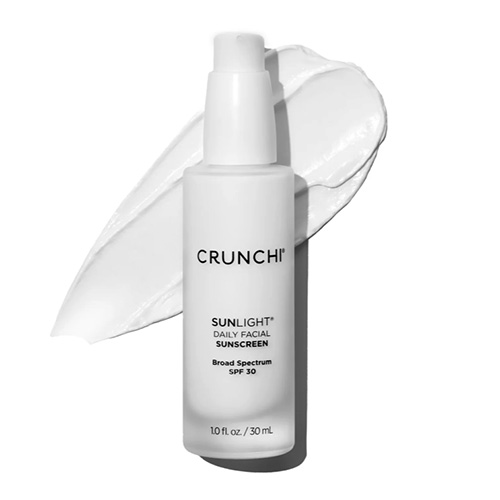
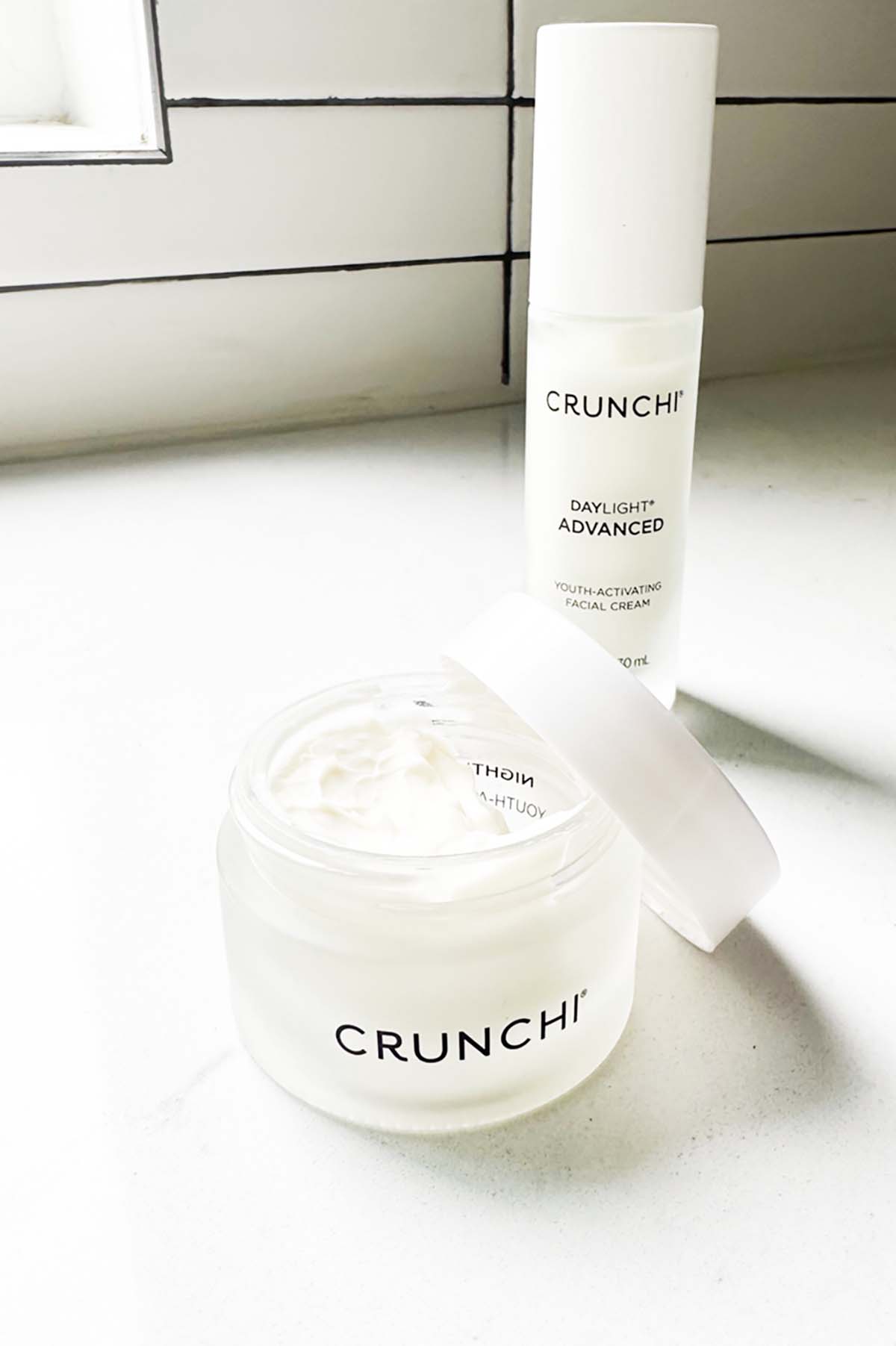
SPF 30, easy to apply, glass container. This is my favorite untinted broad spectrum SPF for my face. See my Crunchi Skincare Review
EWG Verified

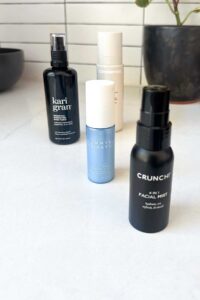
Oil-based sunscreen. SPF 30. Glass Packaging. Read my Kari Gran review!
Use code LUCIKG15 for 15% off
EWG Rating: 1
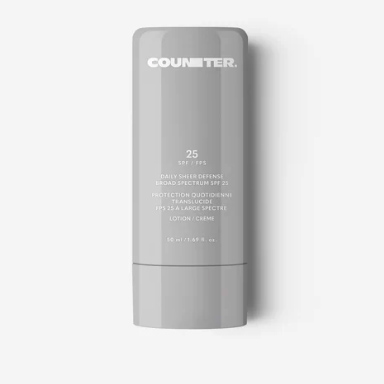
An easy to apply and wear mineral sunscreen. Sadly just SPF 25, but many people swear by this sunscreen. Read my Counter skincare review!
EWG Verified
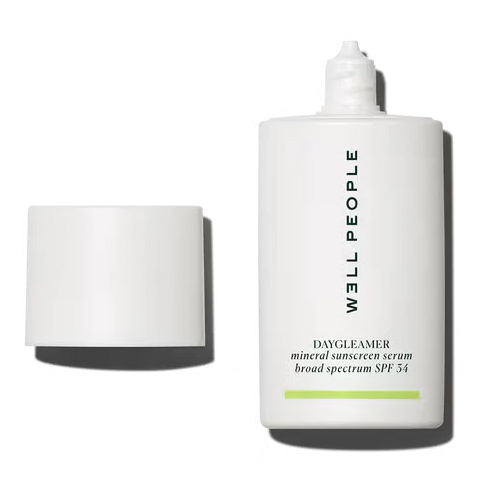
The easiest sunscreen to rub in and with SPF 34. This is the best value and least expensive of these highly recommended non toxic sunscreens.
fair trade certified, cruelty-free, and EWG Verified.
Best Tinted Mineral Sunscreens
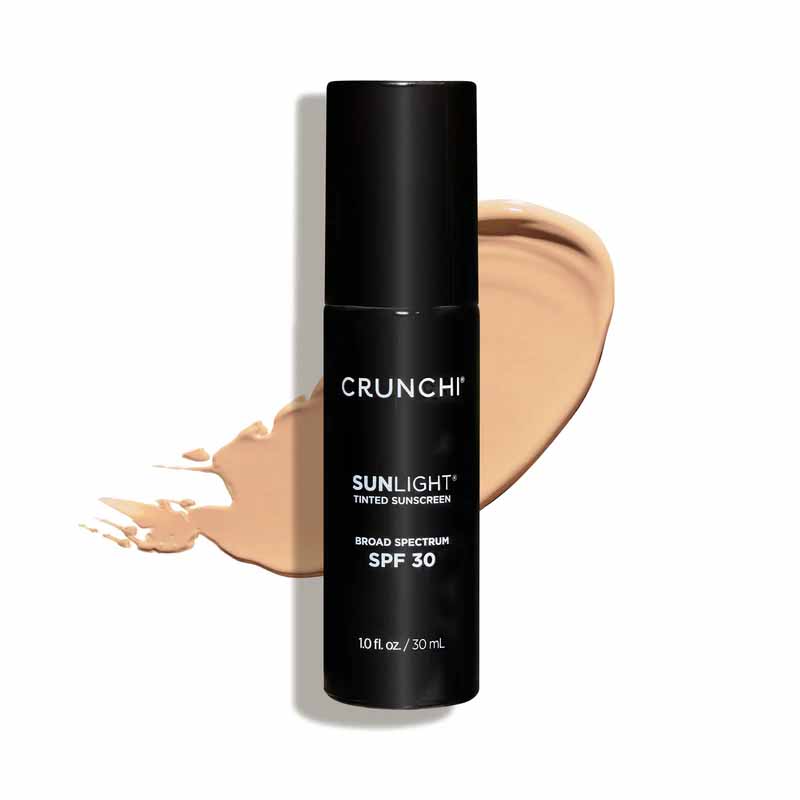
Medium-coverage tinted sunscreen. SPF 30. Hydrating and wonderful to use.
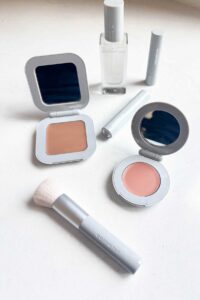
Read this Crunchi makeup review to see more photos with it on.
EWG- Verified
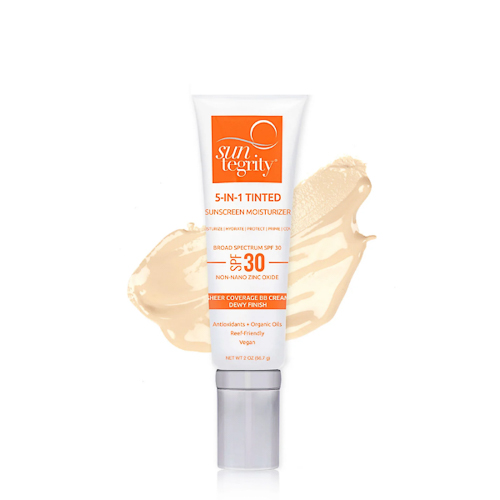
5-in-1 Tinted Moisturizing Face
Vegan, Gluten Free, Fragrance Free, Soy Free, Sustainable Packaging, SPF 30
EWG Rating: 1

Subtle Tint without any white cast or deep coverage. Easy to Apply on the go. Use code LUCI20 for 20% off first order
EWG: (ingredient report estimates a 3)
See my picks for the best tinted sunscreens for face – for any coverage desired.
Most skincare and makeup packaging isn’t curbside recyclable. See these easy drop off and mail in options for proper skin care and makeup package recycling!
Best Non Toxic Sunscreen for Body
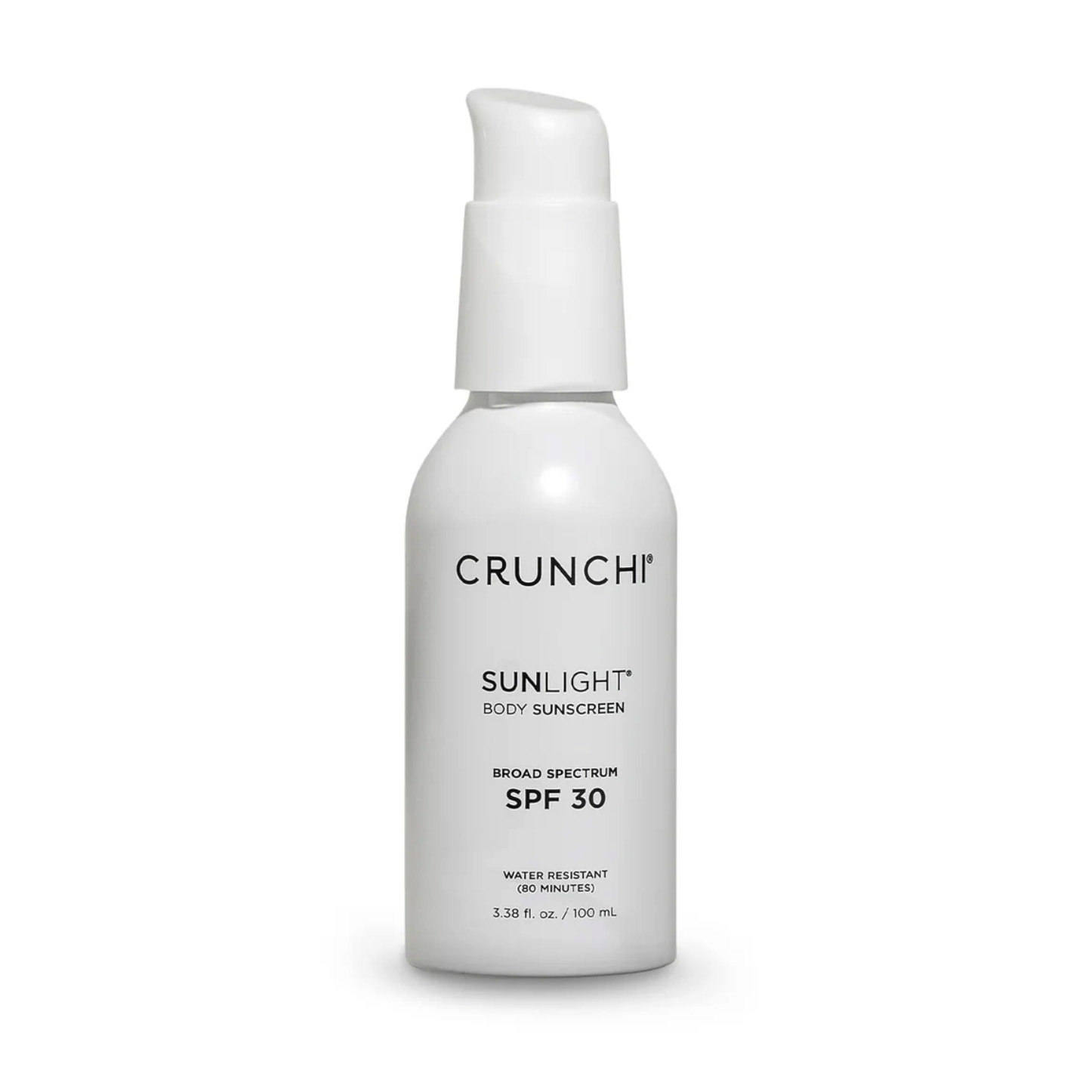
Gluten Free, Cruelty Free, SPF 30. Aluminum Container, locking pump.
EWG-Verified
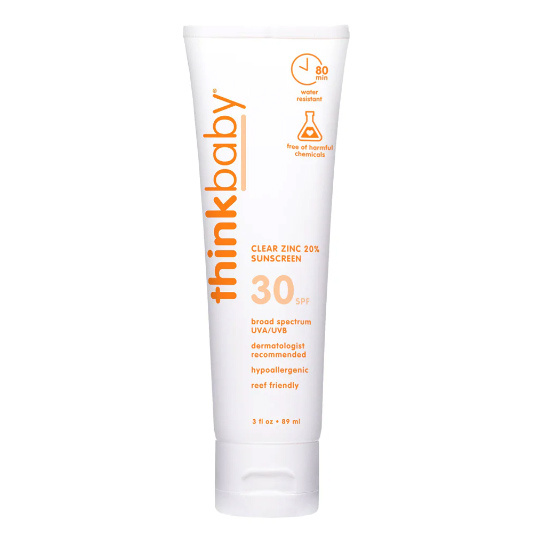
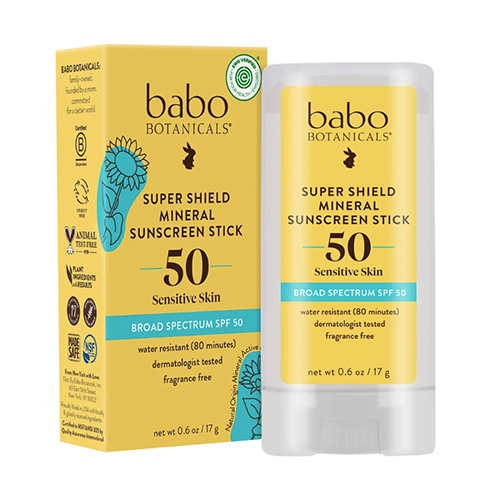
stick format, great for kids. broad spectrum SPF 50, pocket sized
EWG verified
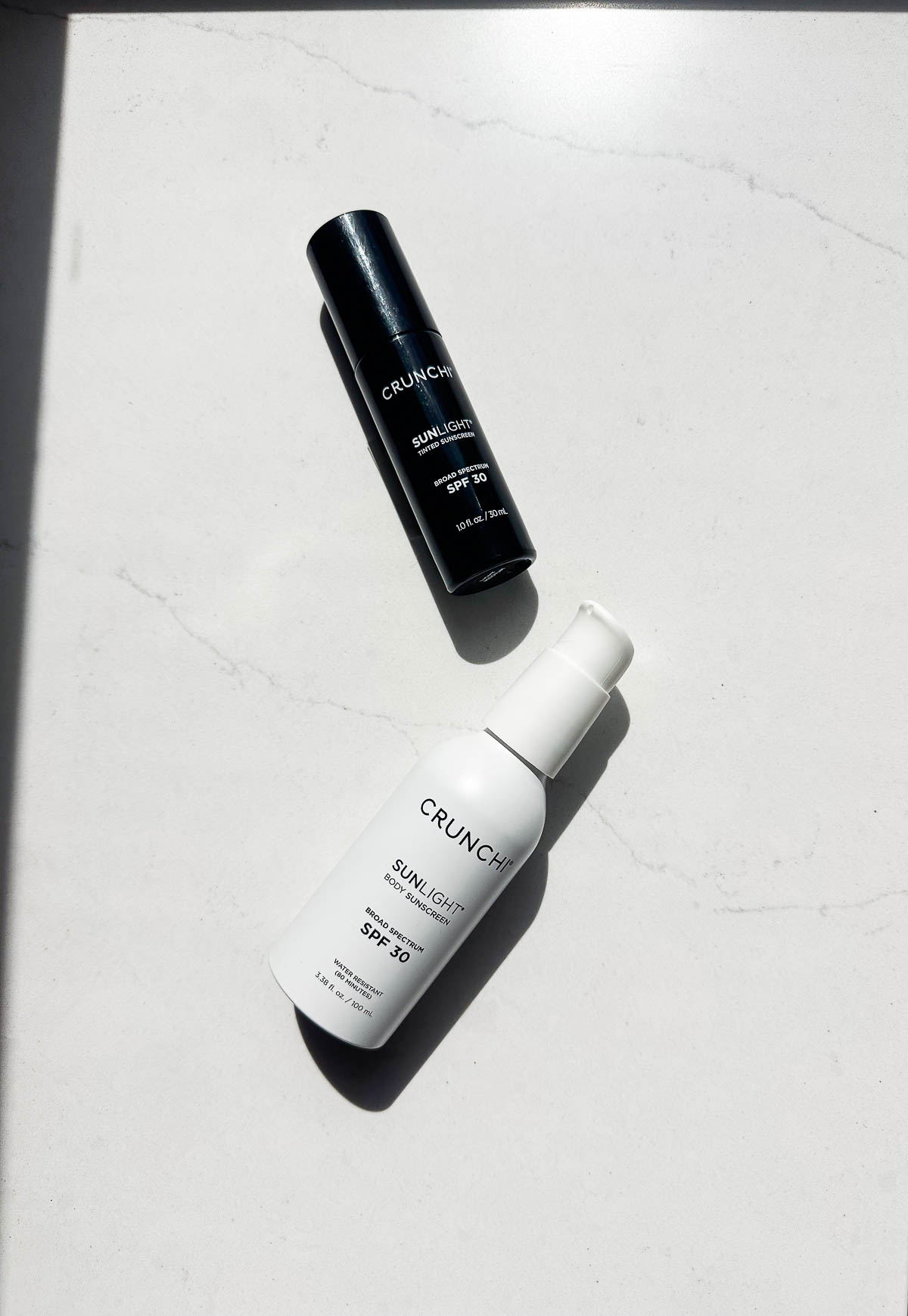
Despite all my SPF wearing, I still get sunspots in the summer. It’s why I always use the best hyperpigmentation serum and the Crunchi body treatment (read my review) to help treat that which can’t be prevented!
Best Non Toxic Sunscreens We Actually Use and Trust
I trust all of the sunscreens above. Currently, my family and I are using the following sunscreens:
- facial SPF – I admit to primarily using a tinted SPF on my face in the mornings, but when I need extra protection, I use this sunlight facial SPF.
- tinted SPF – this tinted SPF provides medium coverage but somehow can be worn easily alone. I wear the light medium. I apply it with my hands for everyday wear and with a makeup brush for more makeup-like application. use code ADVOCATE15 for 15% off and free shipping.
- family body SPF – this body SPF is a great one for all of us. The cap twist locks, the container is aluminum, and it spreads more easily than most physical sunscreens I’ve tried.
- kids SPF – I use the Sunlight body SPF on our son, but he uses the babo organics stick on his face when he’s away. It’s been a godsend to have something he can use. I don’t pick him up looking like he swiped two white smears across three patches of his head! IYKYK.
- And I have the Minori tinted SPF in my sling bag that I wear for walking. It’s a great on-to-go option, especially as it’s in a light plastic tube.
Clean Skincare
I’m a bit of a clean skincare fanatic, but it’s been a lot of learning. If you want to make it easy? My Low Stress Guide to Low Tox Living has specific items swaps for everything from cleaning products to personal care items for men and women.
If you’re starting fresh on creating your routine, you’ll want to figure out what your skin type is. From there, it’s important to get the most out of your skincare routine. What order should I do my skincare? Here is my AM skincare routine but find what works best for you. A few places to get started…
What are Skin Toners For?
Benefits of Facial Serums
The Best Skin Brightening Products
Best Facial Oil
The Best Exfoliating Mask
Best Natural Retinol Options
The two brands I recommend the most for complete clean skincare are Crunchi and Counter. Read the first of my Crunchi reviews (as well as my Crunchi makeup review) and then discover the best Counter products.
Still unsure? Take this skincare quiz.