
How To Make Your Home More Sustainable

Trying to live more sustainably is filled with lots of options (and decisions) that are big and small. I often talk about all the small, daily changes we can make, but let’s be honest, there are some big changes that make a big difference (and don’t require continuous work on our parts). And the best place to start? Right at home of course. So here are a slew of ideas on how to make your home more sustainable.
The thing is, there are hundreds of things we can do to make our homes more sustainable. Should you do them all at once? Nope. Unless you’re building new or doing a remodel, these decision are all going to come one by one. So use this as a guide to keep in your back pocket and to come back to when the time comes to replace OR the opportunity comes to update!
One of the biggest hurdles to upgrading to a more sustainable home is the cost. These items and feature are usually more expensive. But just like nearly every other sustainable upgrade, these will save you money in the long run!
CONTENTS
How To Make Your Home More Sustainable
Residential homes account for a significant amount of energy consumption and emissions (read more from EPA on building emissions). They’re also small enough spaces that one change can affect everything immediately. Whether you swap your trash bags to compostable bags (these are the compostable trash bags we use) or upgrade your heating and air system – change and improvement is immediately noticeable!
And just to make all this adulting make you feel warm and cozy inside, these changes often improve indoor air quality, increase property value, and make your home more resilient to weather and climate change (that’s really happening)!
What Is A Sustainable Home
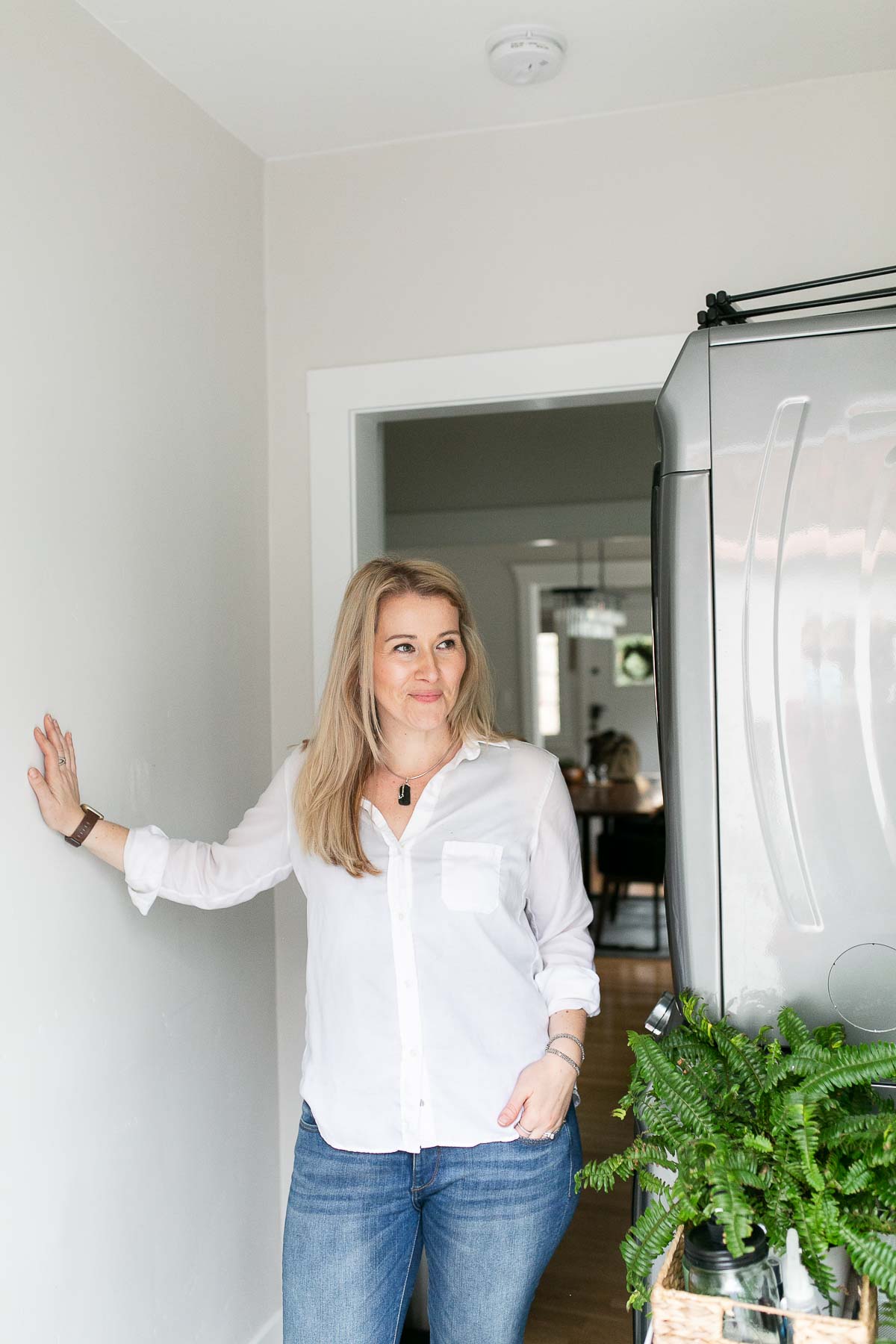
A sustainable home is two parts. The first is the building materials and appliances in the home – how they help with energy efficiency, water conservation, and waste reduction. Another component to this is the sourcing, longevity/durability, and everyday emissions they cause. This goes way beyond solar panels and composting!
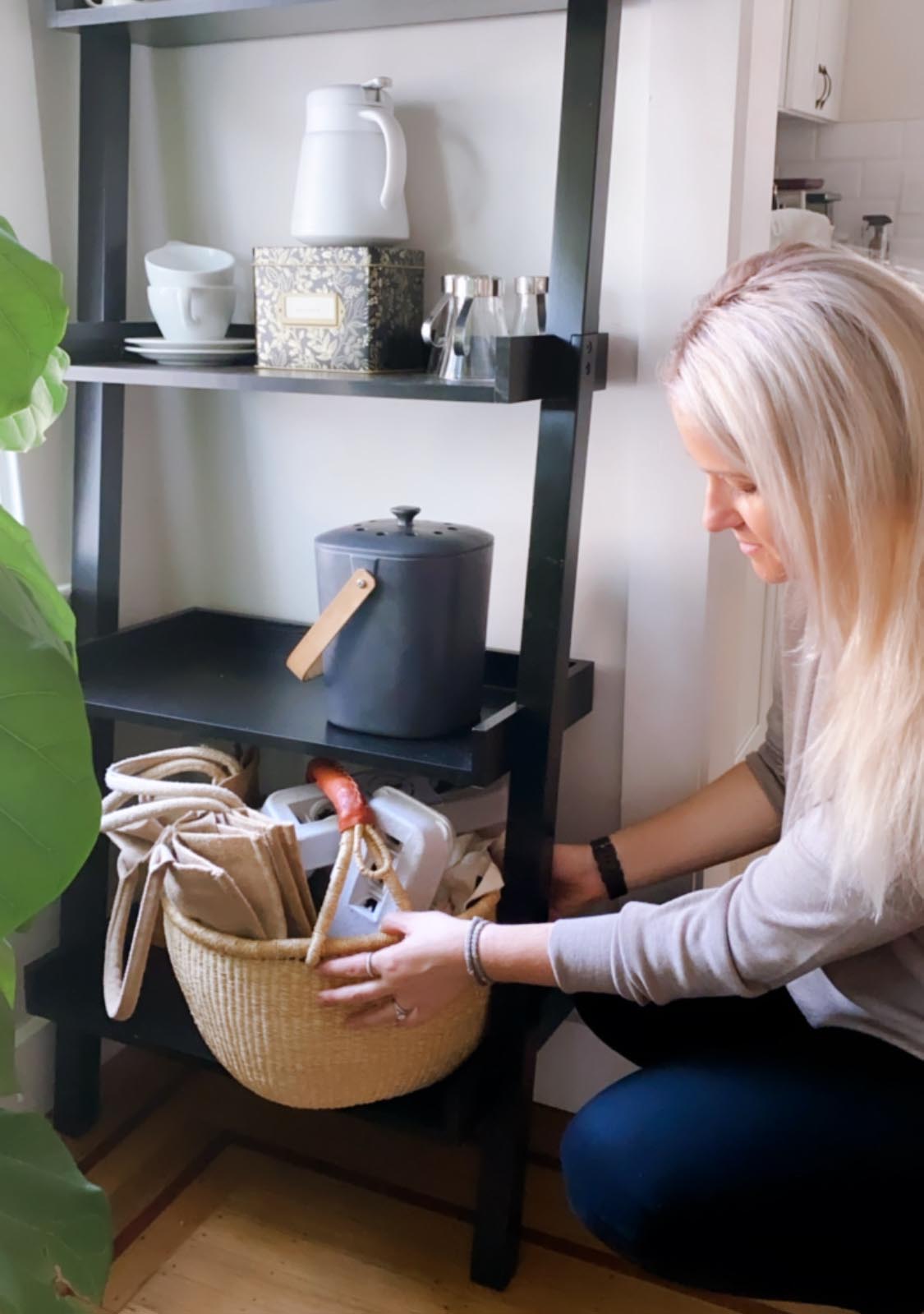
The second part of what makes a sustainable home are the actions and products used by the home’s inhabitants. For smaller, everyday actions see this list on how to reduce waste at home. It covers food waste, energy water, water waste, and more – all with easy steps and products to take! This approach to sustainable living reduces your daily overwhelm.
Looking for more simple ways to make your home a little more sustainable? I’ve put together a free Sustainable Swaps Guide filled with practical ideas you can start using today—one small change at a time.

Why Are Sustainable Homes Important
Sustainable homes are important for a number of reasons. The first is our responsibility to lessen the waste we make on this world. And when it comes to homes, the material and appliance changes we make now will impact it for years to come (for future owners as well).
Sustainable homes also tend to be healthier homes. Better air quality, lower emissions, less single-use plastics leaching into our food and bodies.
And, let’s be real and honest (I know no other way), sustainable homes tend to save money in the long run and often lead to financial gains in the short term (hello rebates)!!
Reduced Greenhouse Gas Emissions
Appliances that use gas contribute to greenhouse gas emissions. Electricity from non-renewable sources contribute to greenhouse gas emissions. Food waste sent to the landfill, refrigerant used in A/C and refrigerator/freezers, and wastewater sent to treatment plants all contribute to greenhouse emissions!
Lower Monthly Utility Bills
More efficient systems, thoughtful schedules, and intentional actions lead to lower monthly utility bills.
Health Benefits from Improved Indoor Air Quality
Updated appliances run more cleanly (fewer emissions), clean air filters make appliances run more smoothly and can more thoroughly clean air, and properly insulated homes can keep out harmful air during times of unhealthy air quality!
Increased Home Resale Value
Every purchase you make for your home impacts your home’s value. Energy efficiency is valuable when it comes to resale value, so think longterm even when it feels more expensive!
Government Rebates and Tax Incentives for Upgrades
Check out federal, state, county, and even city opportunities for mindful upgrades. Money back for everything from new appliances to eco-friendly irrigation and landscaping have lots of opportunnities.
What Makes A Home Sustainable
Ok. So here’s basically the laundry list of how to make your home more sustainable. Some are small and easy, others are expensive and will need to be bigger goals. Just start. Wherever your home is at, just keep working on making more and more changes!
Energy Efficiency
- LED lighting
- Smart thermostats
- Energy Star appliances
- Proper insulation and air sealing
- Double or triple pane windows
Water Efficiency
- Low-flow showerheads
- Dual flush toilets
- Rainwater collection systems
- Drought-tolerant landscaping
Material Choices
- Reclaimed wood
- Bamboo flooring
- Low VOC (volatile organic compounds) paints – read more about VOCs here
- Recycled insulation
Waste Reduction
- Composting systems
- Recycling stations
- Bulk purchasing
Wastewater Toxicity
I’ve long maintained that clean beauty and makeup is all part of living sustainably because everything we put on our bodies eventually gets washed down the drain. Add all that to items like laundry detergent hand soap, dishwasher detergent, etc. and you’re potentially washing a lot of chemicals into the the waterways. Animals and agriculture get this water before and after treatment.
Chemicals and emissions from wastewater treatment plants is just another part of this, so here are a few place to start. You can get my complete list of low-tox products here (free & downloadable)!
- plant-based laundry detergent
- clean hand soap
- the cleanest skincare brand
- bamboo toilet paper
Related: How To Keep A Clean House
How To Be Sustainable At Home
Reduce Phantom Energy by Unplugging Devices
I admit to being lazy about this one (though I include keeping lights off when we aren’t in a room in this – and I’m great at that). Power strips and timers can really help with this overall, however!!
Wash Clothes in Cold Water
Yep. i know you’re all afraid of it, but cold water works well and it’s kinder to your clothes. I wash our towels in hot water (especially those kitchen towels) and periodically will do a hot wash on our whites with this oxygen booster, but that’s not often!
Line Dry Laundry
Using your dryer less is a great way to save on electricity and to save your clothes! We have a foldable/expandable clothes rack and we use hangers on the shower curtain bar to air dry much of our clothing!
Reduce food waste
When I first got into sustainable living, the one thing I realized everybody could do was to cut back on food waste, so I focused wholeheartedly on making that more manageable in our house and for everyone I talked to. Here’s my guide on how to avoid food waste!
Switch to Reusable Products
Sustainable living has made my life so much easier in almost every way and it’s mainly because of reusable products. We have systems in place, so I buy less, fret less about replacing, and am generally just low-stress! Examples include dish towels and cloth napkins rather than paper towels, silicone bags rather than plastic bags (these are the best reusable bags), and reusable baking mats rather than parchment paper.
Install Programmable Thermostat
If your HVAC system is compatible, I can’t recommend a programmable thermostat enough – for the sustainability of it as much as for the ease. Being able to schedule heat/cool and even change it when you’re away from home is so wonderful! Reduce your carbon footprint and be more comfortable in your home!
Upgrade to LED lighting
LED lights are roughly 90% more efficient than the old styles and the varieties available now are wide-ranging. Get to know the lumens (brightness) and hue of light and find what works best for your space while being more environmentally friendly.
Replace Old Appliances with Energy Star models
This one is pretty self-explanatory and common place these days. Remember more efficient appliances increase home value and save you money in the long run! This isn’t just about being eco-friendly, it’s budget-mindful too.
Install Water Efficient Fixtures
Even before buying new fixtures, be sure to make sure your current fixtures aren’t dripping or leaking. A plumber (or some good YouTube sleuthing) can help you maximize your current fixtures to stop leaking and make flushing toilets more efficient. But then, when it is time, install more efficient fixtures. Many of these drastically reduce water usage without reducing performance!
Add insulation to attic
When we had to replace our HVAC a few years ago, we did an add on of adding insulation to the attic of 1925 bungalow and noticed it immediately. It’s not as cold in the mornings in the winter and it doesn’t get as hot on summer days. If you live in a warm place (like Sacramento!), I’d recommend looking into a hose fan if you don’t have really good cross-ventilation options. We find the house doesn’t cool down as much overnight in the summer with the insulation (it’s doing it’s job!).