
How to Organize A Refrigerator

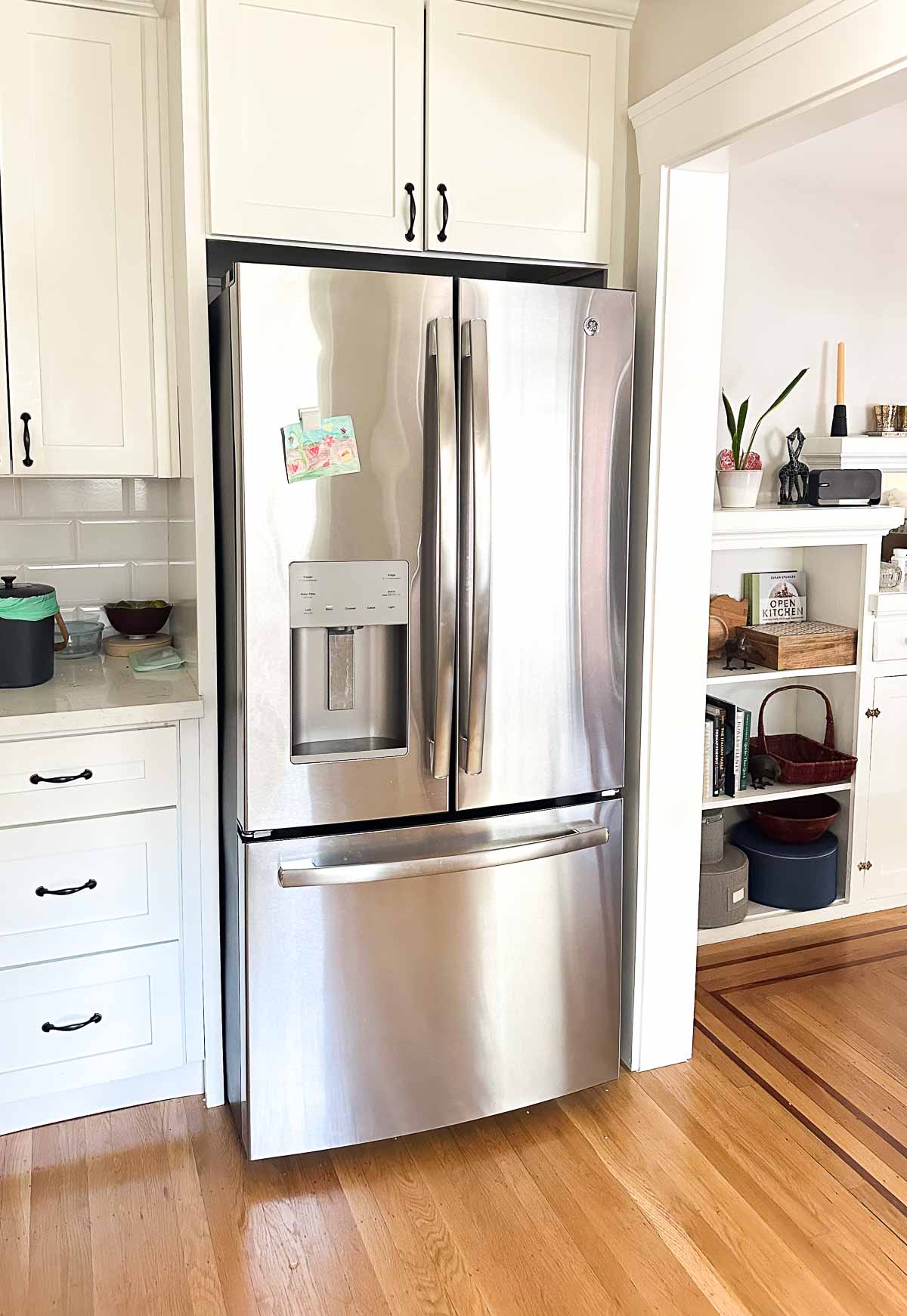
As someone who loves to cook, has a family to feed, and is focused on minimizing food waste, our refrigerator plays a pivotal role in our home. And while it may not look like a Pinterest fridge (it doesn’t!), there is a system and there is organization.
When it comes to how to organize a refrigerator, there isn’t a single plan and layout we should all follow because all our lives are different. There are, however, some guidelines to follow and I’m sharing a few hacks that help us.
Having an organized refrigerator helps minimize food waste, helps make meal planning easier, leads to less overbuying, and makes the process of cooking and cleanup that much easier! Having a place to find and store food is really the crux of all of this!
If you’re always unsure when to throw away food, you’ll want to read more about when to throw away food and leftovers. Make informed decisions to be safe and avoid food waste.
CONTENTS
How to Organize a Refrigerator
Before any organization can happen, you need to remove any unnecessary items, including expired items and items you aren’t likely to eat. I find the latter to be the case with condiments – sauces, dips, seasonings, etc.
Pro Tip: Clean the space. Clean refrigerator shelves and drawers bring new life to this classic appliance – there’s magic in the cleaning, I promise!
Then we want to start assigning a purpose to spaces and grouping similar foods together. You want to start with the systems you already have in place (even if you don’t think of them like that). What items do you already have a “place” for?
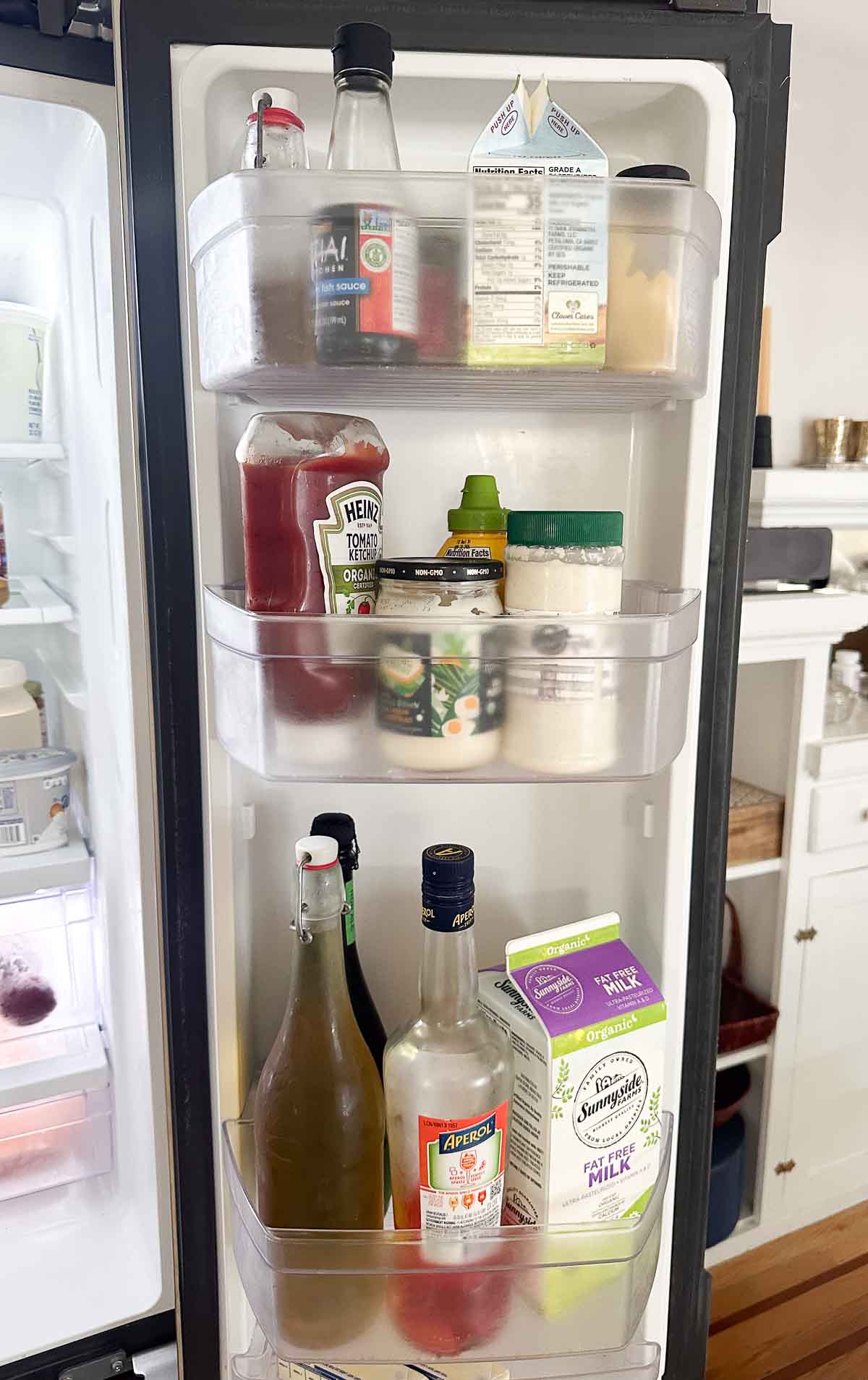
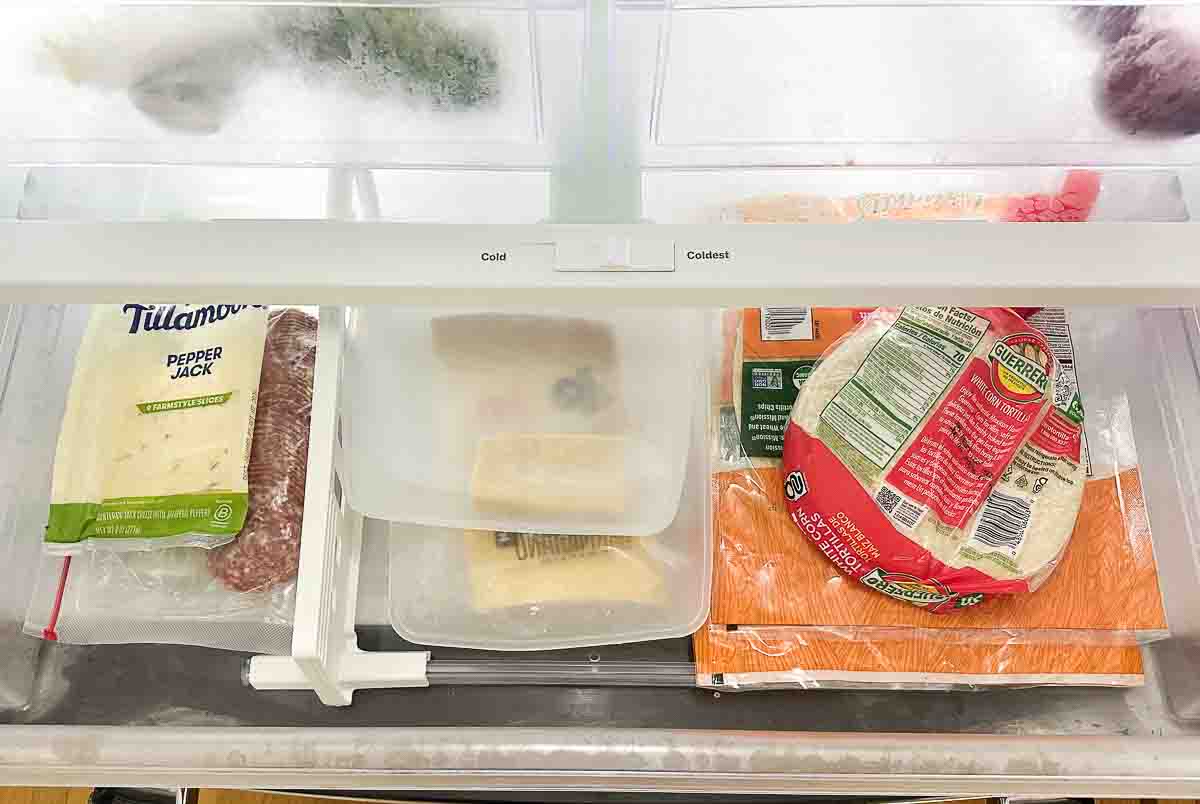
In our refrigerator, condiments and sticks of butter go in the doors. We also have a veggie drawer and a fruit drawer. There’s also a wide drawer. In there, we store tortillas, lunch meats, and any extra cheeses. And then there is only one shelf where a carton of milk can fit. See – systems and organization in place. Everything else can then fit around these knowns.
Why is it Important to Organize Your Refrigerator
Reduce Food Waste Through Better Organization
The biggest source of food waste has got to be the back of the refrigerator, right? I mean – it’s us, but once something hits the back of the refrigerator, it’s as good as gone. Having good organization helps you to eat up leftovers before they spoil. And all food that is eaten rather than wasted is sustainable AND it saves you money.
Pro Tip: Put new leftovers behind older leftovers – like a first in, first out method. This helps you keep ‘order’ to the leftovers.
Make Food Easier to See and Use
Having an organized fridge helps you find ingredients quickly. You can spend less time searching during meal prep (even on those rushed evenings). And, most importantly, food that’s easier to find helps reduce duplicate purchases.
Improve Food Safety
A lot of us don’t think about the spaces of the fridge in terms of their purpose. The produce drawers are designed to keep in more moisture than the shelves. And if you have sliders to designate fruits vs. vegetables, then this is even more true. A fruit setting allows more air flow, so all the natural gases that help fruit ripen don’t get caught in the drawer, leading to rot sooner.
And if your freezer is on top of your fridge, then the top part of your fridge is likely MUCH colder than the rest. You want to skip putting dairy or fruit up there because it’ll freeze and then become less enticing if not inedible.
Fridge organization also helps you keep an eye on food to notice if it’s going bad and needs to be moved along. In essence you avoid that back of the fridge cleanout.
Make Grocery Shopping Easier
An organized refrigerator is like an inventory system. You can quickly see what you have (and how much of it). Then your shopping becomes more accurate and less wasteful. You can avoid buying duplicates and you can plan meals around what needs to be used first!
Keep Cleaning and Maintenance Simple
When your fridge isn’t jam-packed full of things, it’s easier to maintain (and that’s what looks more like that Pinterest fridge)! You can also wipe shelves quickly and easily when you spot leaks or spoiled food. And you can just spend a few minutes cleaning or maintaining rather than doing a major clean out. If you’re looking for more ways to keep your space organized and intentional, check out how to keep a clean house.
How to Organize a Refrigerator by Zone
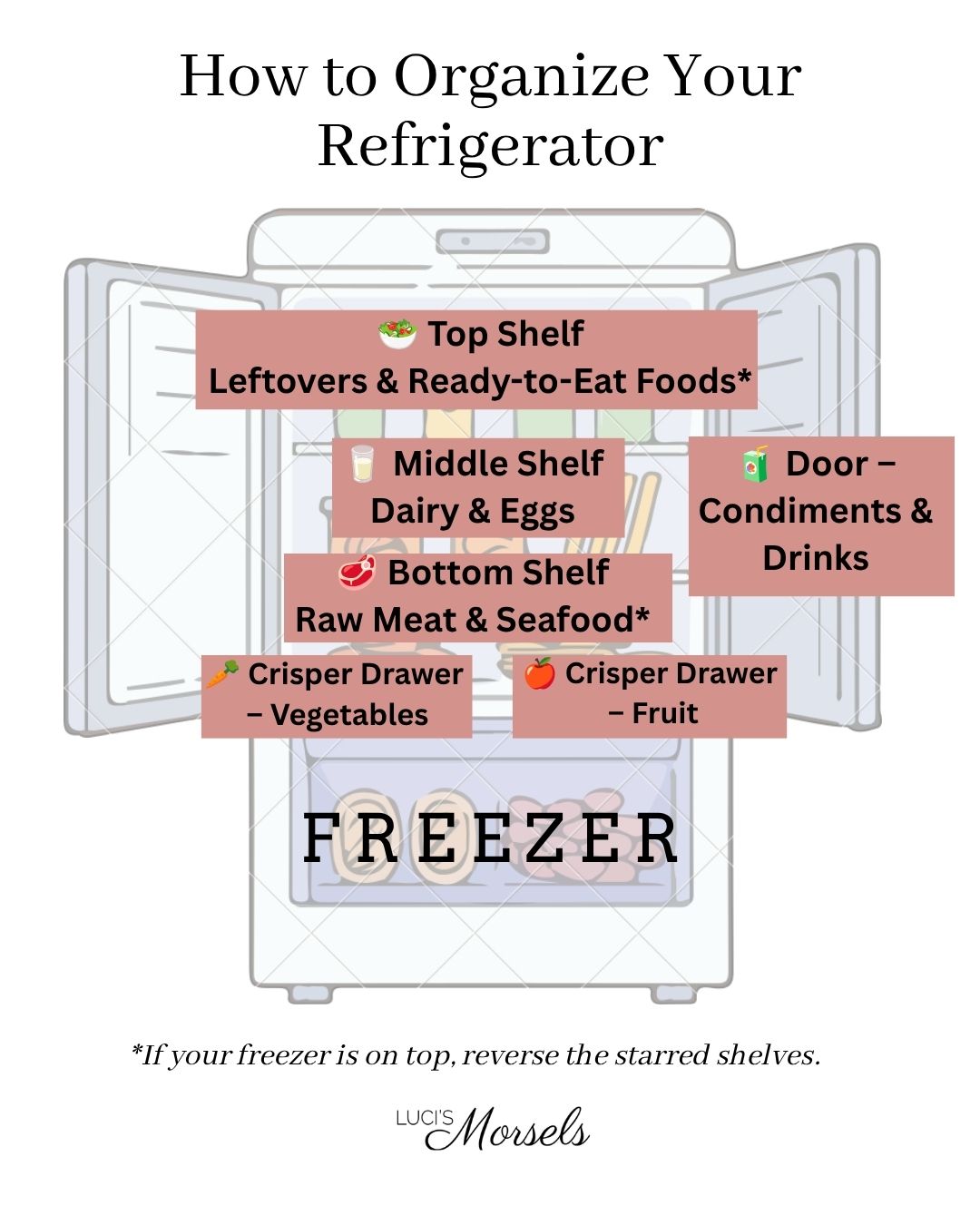
One of the easiest ways to keep your refrigerator organized is to think of it in zones. Instead of placing items wherever there’s space, give each category of food a designated home. This makes it easier to find what you need, helps reduce food waste, and makes putting groceries away much faster.
While refrigerator layouts vary, the same organizing principles apply whether your freezer is on the top or the bottom.
The layout suggested below is for a refrigerator with a freezer below. If your freezer is above your fridge, reverse the items with asterisks (*).
Top Shelves: Ready-to-Eat Foods*
Use the upper shelves for foods that don’t require cooking, such as leftovers, prepared meals, yogurt, drinks, and snacks. Since these items are used frequently, keeping them at eye level makes them easy to see and helps ensure they’re eaten before they expire.
Middle Shelves: Dairy and Everyday Essentials
Store dairy products like milk, cheese, butter, and sour cream together so they’re easy to find. This is also a good place for eggs if your refrigerator manual recommends storing them on a shelf instead of in the door, where temperatures fluctuate more.
Bottom Shelf: Raw Meat and Seafood*
The bottom shelf is the safest place for raw meat, poultry, and seafood because it’s the coldest area in most refrigerators. Place these items in a tray or leak-proof container to catch any drips and help prevent cross-contamination.
Crisper Drawers: Fruits and Vegetables
Use the crisper drawers to keep produce fresh longer. If your refrigerator has humidity controls, use the high-humidity drawer for leafy greens and most vegetables, and the low-humidity drawer for fruits that produce ethylene gas, such as apples, pears, and peaches. They’re often labeled for fruits and vegetables on a slider.
Refrigerator Door: Condiments and Beverages
The refrigerator door is the warmest part of the fridge, making it the best place for condiments, salad dressings, jams, pickles, and beverages. Avoid storing highly perishable foods like milk, eggs, or raw meat in the door, as they’re better kept on interior shelves where temperatures remain more consistent.
Focus on keeping foods in the coldest or warmest appropriate areas rather than matching someone else’s exact refrigerator layout.
My Go-To Refrigerator Organization Essentials
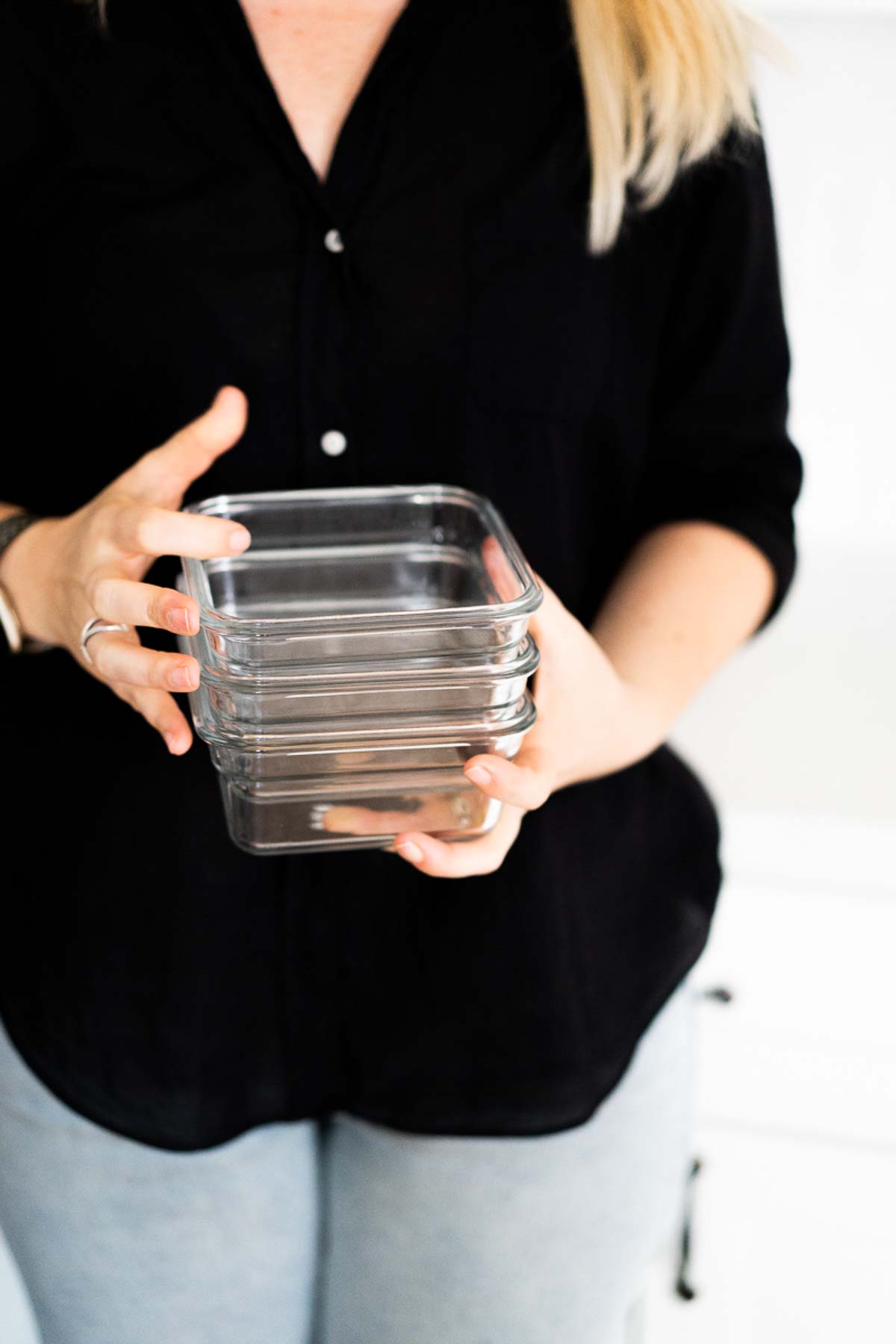
- glass food storage containers – Durable, easy to clean, and my favorite way to cut back on plastic food storage.
- resealable, silicone bags – Great for portioning out snacks, plastic-free, and you can see what’s inside. Ideal for storing herbs and open avocados too.
- silicone bowl covers – Easy to use, clean, and often oven/microwave safe
- cloth produce bags (when applicable)- Allows produce to breathe and stay protected. I use bags for items that need to be contained (e.g. green beans) or the few fruits and veggies that do better in a bag (e.g. mushrooms).
Where to Put Different Foods in the Refrigerator
Below are some guidelines and helpful tips for where to store specific foods in the fridge. You may have different needs or wants, however, so use this as a guide, not a hard-and-fast plan.
Dairy Products
Store milk, yogurt, cottage cheese, sour cream, and most cheeses on an interior shelf rather than in the refrigerator door. The consistent temperature helps keep dairy fresh longer. We keep our cheeses in the wide drawer to keep them centrally located.
Eggs
Although many refrigerators include an egg tray in the door, eggs stay freshest when stored in their original carton on an interior shelf. The carton also helps protect them from absorbing odors from other foods.
Raw Meat, Poultry, and Seafood
Always store raw meat, poultry, and seafood on the bottom shelf (or the shelf closest to the freezer) in a leak-proof container or tray. This helps prevent juices from dripping onto other foods and reduces the risk of cross-contamination.
Leftovers and Prepared Foods
Keep leftovers in airtight containers on an upper shelf (away from the freezer) where they’re easy to see. Labeling containers with the date can help you remember to use them before they spoil.
Fresh Fruits and Vegetables
Store most vegetables in the high-humidity crisper drawer to help them retain moisture. Place most fruits in the low-humidity drawer, which allows ethylene gas to escape and helps extend freshness.
Condiments
Ketchup, mustard, salad dressings, jams, pickles, and sauces are well suited for the refrigerator door. Because these items are generally less perishable, they can handle the slightly warmer temperatures found there.
Beverages
Keep drinks in the refrigerator door or on a dedicated shelf—wherever they’re easiest for your household to grab without blocking other foods.
Butter
Butter can be stored on an interior shelf or in the door. If you don’t use it often, keeping it on an interior shelf provides a more consistent temperature.
Fresh Herbs
Wrap tender herbs like parsley and cilantro in a slightly damp towel before placing them in a reusable container or storage bag. This helps them stay fresh longer than simply leaving them in the produce drawer. See my complete write up on how to store fresh herbs in the fridge (they’ll last for weeks)!
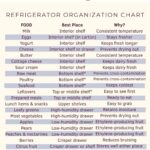
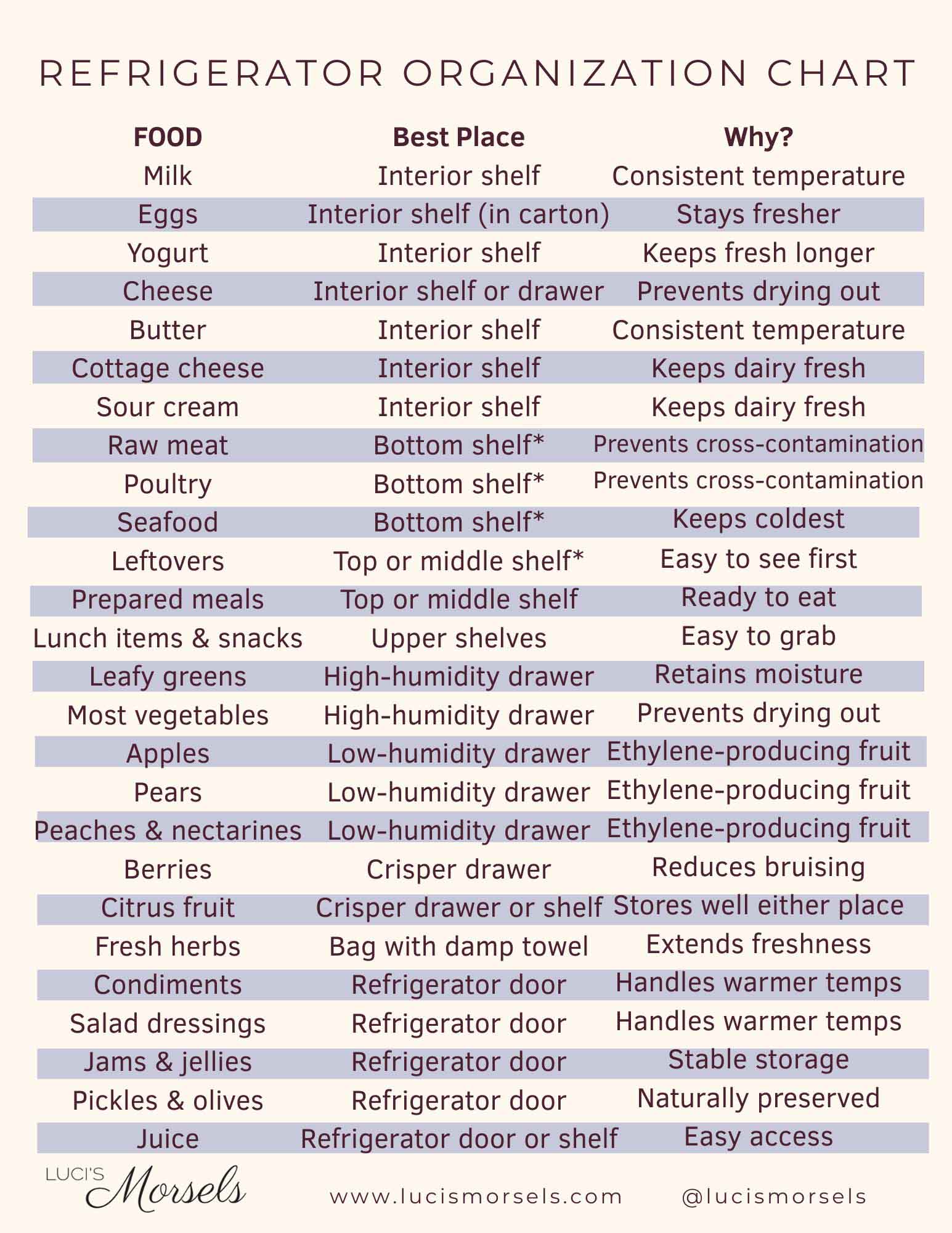
Refrigerator Storage Chart
Here is a quick chart you can use to see where you should store all the common refrigerator items (as well as why). Bookmark this page or pin it for later so you always know where different foods belong.
|
Food |
Best Place in the Refrigerator |
Why |
|---|---|---|
|
Milk |
Interior shelf |
Keeps it at a more consistent, colder temperature. |
|
Eggs |
Interior shelf (in original carton) |
Stays fresher and avoids temperature fluctuations. |
|
Yogurt |
Interior shelf |
Maintains a consistent temperature for freshness. |
|
Cheese |
Interior shelf or drawer |
Helps prevent spoilage and drying out. |
|
Butter |
Interior shelf or covered butter compartment |
More consistent temperature than the door. |
|
Cottage cheese & sour cream |
Interior shelf |
Keeps dairy fresher longer. |
|
Raw meat |
Bottom shelf in a leak-proof container* |
Prevents juices from dripping onto other foods. |
|
Poultry |
Bottom shelf in a leak-proof container* |
Reduces the risk of cross-contamination. |
|
Seafood |
Bottom shelf in a leak-proof container* |
Keeps it in one of the coldest areas of the refrigerator. |
|
Leftovers |
Top or middle shelf in clear airtight containers* |
Easy to see and use before they spoil. |
|
Prepared meals |
Top or middle shelf |
Convenient access for ready-to-eat foods. |
|
Lunch items & snacks |
Upper shelves |
Easy to grab for everyday use. |
|
Leafy greens |
High-humidity crisper drawer |
Retains moisture to stay crisp longer. |
|
Most vegetables |
High-humidity crisper drawer |
Prevents produce from drying out. |
|
Apples |
Low-humidity crisper drawer |
Releases ethylene gas, so separate from vegetables. |
|
Pears |
Low-humidity crisper drawer |
Ethylene-producing fruit. |
|
Peaches & nectarines |
Low-humidity crisper drawer |
Ethylene-producing fruit. |
|
Berries |
Crisper drawer (in original container) |
Helps maintain freshness and reduces bruising. |
|
Citrus fruit |
Crisper drawer or shelf |
Doesn’t require high humidity. Stores well either place. |
|
Fresh herbs |
In a container with a damp paper towel |
Helps extend freshness. |
|
Condiments |
Refrigerator door |
Less sensitive to temperature changes. |
|
Salad dressings |
Refrigerator door |
Convenient and suitable for the warmest part of the fridge. |
|
Jams & jellies |
Refrigerator door |
Stable enough for door storage. |
|
Pickles & olives |
Refrigerator door |
Naturally well-preserved. |
|
Juice |
Refrigerator door or designated beverage shelf |
Easy access and acceptable storage location. |
*friendly reminder again that top/bottom shelf recommendations are based on a refrigerator atop a freezer setup.
Conclusion
Since food is such a central part of our lives, having an organized refrigerator is one of those forgotten but important things where organization just helps everything else fall into place. Remember that having an organized refrigerator isn’t about how it looks, it’s about how it functions. Do you know what you have and can you use your items in a timely manner regularly? The best refrigerator organization system is the one you’ll actually maintain.