
How to Build a Skincare Routine That Actually Works


After years of trial and error research, I’ve now got happy, healthy skin that I’m happy and proud to show off. After struggling with adult acne and not really having a real understanding of skincare for years, I’ve finally learned all the steps of a good skincare routine, how to build a routine, and why it’s so important.
Before I learned about skincare, the only thing I had going for me was that I was consistent in washing my face and doing my routine – something my mom taught me as a teenager. And, truthfully, I went to enough makeup counters in department stores to get help from others in creating a routine.
Skincare can feel overwhelming. We’re constantly inundated with product recommendations, each promising more and more on top of the other. I’m guilty of it too, at times, I admit.
Nowadays, many people are using too many products, not the right mix of products, or they just aren’t consistent with what they use. Each of these lead to skin irritations, breakouts, and burnout.
Below is a step-by-step walkthrough of how to build a personalized skincare routine that actually works for you. You might already own all the right products, but you aren’t using them in the right order. Perhaps you just need a fresh start. Perhaps you love what you have but feel as though you’re missing something to make it all just work. And, let me tell you, that the right skincare routine done regularly does ‘just work.’
My philosophy is simple, consistent, and supportive routines. Once you learn what each of the steps in a skincare routine does and how they can each work together, you will forever be able to build your own routine. It’s like having the roadmap for the puzzle, not just a pile of pieces!

CONTENTS
How To Build A Skincare Routine
When it comes to building a skincare routine, there are three things to pay attention to: consistency, ingredient selection, and synthesis (i.e. how your products work together). I’ll elaborate on each of these below.
With these three things in mind, you can create a skincare routine that feels manageable, sustainable, and supportive of long-term skin health. And you can adapt it as needed without worrying about messing up! No matter your skin type (dry skin to oily skin), these are the steps for EVERY skincare routine.
What a Skincare Routine Is Meant to Do
Skincare isn’t just about having nice skin (though that’s a very important personal factor and usually a sign of the right routine). No, having the right skincare routine actually deals a lot more with health (short-term and long-term) since your skin is actually one of the first lines of defense for your body. It’s a beautiful defense organ (yes, your skin is an organ) that fights off enemies all day long while you live your life.
Supports Skin Barrier Health
This is the the big one here – your skin barrier. When your skin is nourished appropriately, it can function probably as a barrier. Your skin keeps out pollutants, bacteria, and allergens while keeping in hydration (water and hydration is a big part of our whole body’s health).
Helps Prevent Premature Aging
This one might be just superficial, but nobody wants to look older than they are at least. Hydrated, healthy skin doesn’t shown signs of aging as quickly. Think about how much younger your hands look just after you’ve slathered some hand cream on! It’s a similar idea. Regular hydration and care help skin maintain elasticity, color, and beauty!
Improves Skin Texture and Tone
Uneven skin texture and skin tone are signs your body is having to work harder than it wants to. Dry patches, small bumps, breakouts, visible pores are all messages your body is sending about what it needs. Dry patches mean undependable hydration; small bumps is usually congestion from too much product or inadequate skin cell turnover; breakouts are related to your body’s hormones or they can be responses to hydration (or lack thereof); and visible pores mean a change in cleansing is needed.
Reduces Breakouts and Congestion
Acne, breakouts, and congestion (think visible pores or bumps under the skin) are some of the most confusing skin concerns to navigate. While acne-prone skin is often linked to hormones, it can also be influenced by things outside your bathroom—like digestion and what you’re eating. After years of confusion (and medication), when I got pregnant, I discovered the cause of my adult acne was artificial sweeteners (Splenda and aspartame in my chewing gum)! It was a reminder that skincare isn’t just about adding more products—it’s about understanding what your skin actually needs.
Breakouts and congestion can also come from insufficient or ineffective cleansing, or from your skin barrier responding to dryness. When skin is dry, it often produces excess sebum to compensate, which can lead to breakouts.
Protects Against Sun Damage
Regular sun protection is a critical part of every skincare routine. Not only does SPF protect your skin from harmful UV rays, it also helps maintain a more even skin tone by reducing hyperpigmentation and sun spots.
Keeps Skin Hydrated and Balanced
Changes in humidity, travel, stress, etc. all play a role in your skin health. With a consistent routine that supports your skin, you’ll notice that your skin can stay hydrated and balanced even as all these other factors try to take their toll.
Helps Skincare Products Work Effectively
Many great products aren’t used or applied properly and then aren’t as effective. This is when it’s so helpful to understand what order skincare should be applied and what each product does, so you’re not asking your skin to do too much at once.
Builds long term healthy skin habits
A lot of us want instant results with skincare and while some products can give you a quick boost, they’re not usually everyday products.
Skin naturally renews itself about every six weeks, so it can easily take that long for your skin to show signs of health and balance when starting a new routine.
Changing seasons, travel, stress, sickness, and the like also constantly throw curveballs at your skin barrier. Healthy skin is a process for the long-haul to adapt and stay healthy.
The Core Steps Every Skincare Routine Needs
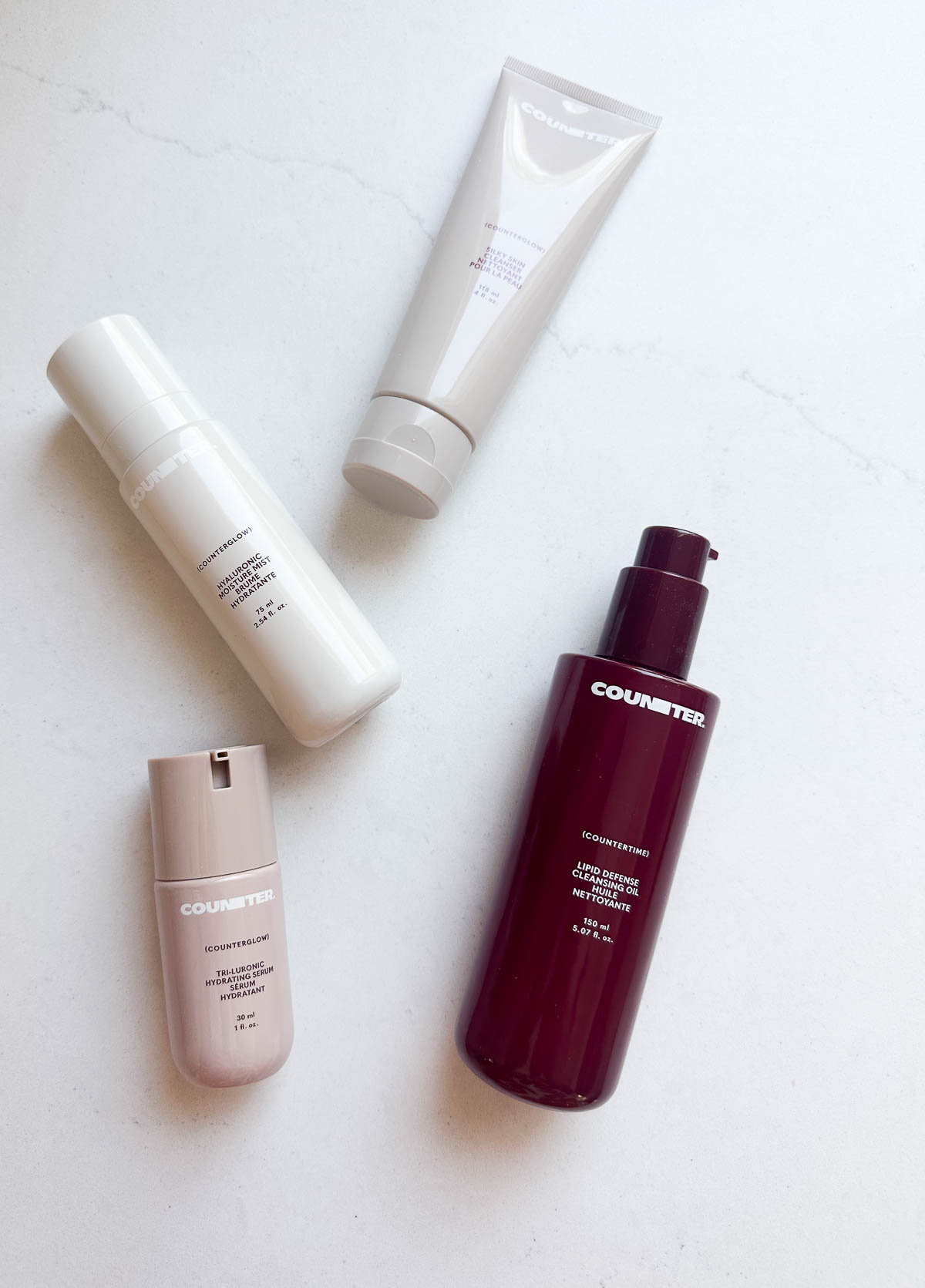
So what do you need in a skincare routine for it to work? Below are the steps every skincare routine needs, including two optional steps.
Why are these steps optional? When it comes to building a skincare routine and maintaining your skin barrier health, you need a cleanser, a moisturizer, and sun protection. The optional steps are the ones to enact change to your skin – what I call “active” steps—products designed to create change in the skin (like brightening, smoothing, or increasing cell turnover)..
Step 1 – Cleanse
Cleansing is foundational to any effective skincare routine. Washing your face consistently is key to maintaining a healthy skin barrier. Washing your face in the morning is optional – though I do it, but washing your face every single night cannot be optional.
A nightly cleanse removes makeup, sweat, dirt, and the SPF you should be wearing. Your skin does its most work at night, so give it a clean canvas with which to work!!
One important thing to note about your cleansing step is that some products can be too harsh, disrupting your skin barrier. If your skin feels very tight and agitated after you dry your face, this is definitely happening.
I also learned in the last year that your cleansing step can be an integral part of hydration. If you use a cleansing balm as your main cleanser (not as part of a double cleanse), it can also support hydration. These are the best natural face washes on the market in my opinion.
Step 2 – Prep (optional)
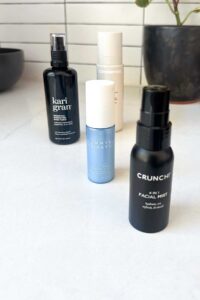
The prep step includes toners and essences. While not mandatory, this step can make a noticeable difference in how the rest of your routine performs.
A well-formulated toner or essence helps bring the skin back into balance after cleansing and adds a first layer of lightweight hydration. This creates a more receptive surface, allowing serums and moisturizers to apply more evenly and absorb more effectively.
If you’re using a treatment serum—or if your skin tends to feel tight or dehydrated—this step can help support your skin barrier and improve overall comfort. When chosen well, it’s often the step that elevates a routine from simply functional to more supportive and effective.
I go into more detail in this post on what skin toners are for.

Step 3 – Treat (optional)
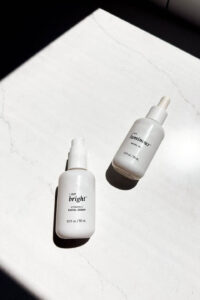
Step three is for a serum – the active step. Examples of treat steps are brightening serums (vitamin Cs), peptide serums (for filling fine lines), resurfacing serums (to help skin cell turnover), and hydration serums. It’s important to identify your skin type and your concerns before picking a serum step (yes, these can change). This treatment step is where so many of us get influenced without understanding!
Many people use multiple serums, but I’d discourage you from using more than one serum at a time. You can always using a different serum in your AM skincare routine from your PM skincare routine, but I wouldn’t layer them on top of each other. You’ll lessen the efficacy of both.
If you’re using a serum that’s very active (namely those resurfacing serums), your skin won’t want to use them every day. In this case, you can absolutely substitute it for another serum every 2-3 days. This might look like 3 days using a peptide serum at night and then one night with a resurfacing serum. And repeat.
Serums can also be a shock to your system, so it’s a good idea to introduce active ingredients slowly. Try using them every 2-3 nights and then gradually work up to every night as your skin allows.
If you have sensitive skin, this is a good step to skip until your skin is calmer and stronger.
Step 4 – Moisturize
After cleansing, this is the next mandatory step in a basic skincare routine. Everyone should use a moisturizer of some kind, including those with oily skin. Moisturizers add hydration (creams) and/or help seal in hydration (oils).
Moisturizers are also one of the skincare ingredients that can be altered with seasons. For example, in the dry, winter months, my skin likes thicker moisturizers and often an oil on top to really keep my skin hydrated. In summertime, my skin is often fine with just a facial oil in the evening rather than any sort of cream.
Effective skincare routine don’t need to change
eye creams – A quick note here that eye cream is also a moisturizer and should be used here if desired. If you have dark circles, look for an eye cream that addresses that explicitly.
Step 5 – Sunscreen
Facial sunscreen is not optional or seasonal. Daily sun protection is one of the most effective ways to protect your skin and preserve the work your routine is doing.
Look for a broad-spectrum sunscreen with at least SPF 30, and apply it every morning as the final step in your routine. If you’re spending extended time outdoors, reapply every two hours (or more often as needed).
I personally stick with physical (mineral) sunscreens because they offer immediate protection and tend to be gentler on sensitive or acne-prone skin. Unlike chemical formulas that need time to activate, physical sunscreens start working as soon as they’re applied.
Consistent sun protection helps prevent premature aging, uneven skin tone, and sun damage—and it’s one step that makes every other skincare product more effective long-term.

How to Build a Skincare Routine That Fits Your Skin
Identify Skin Type and Concerns
Before choosing products—whether new or ones you already own—it’s important to understand your skin type. General skin types include dry, oily, sensitive, combination, and “normal.” All skin is normal, of course; “normal” simply means you don’t experience persistent dryness, oiliness, or sensitivity.
Your skincare routine doesn’t need to change drastically based on skin type—the core steps stay the same. What usually changes is the type of products you choose: lighter textures for oily or acne-prone skin, and richer formulas for dry or compromised skin.
You can read more about the signs of each skin type in this post on What’s Your Skin Type? There are product recommendations for each type in there, but you can use the overviews as a helpful guideline.
After figuring out your skin type, you should identify specific concerns. This means, what is your goal with your skincare routine? The priority should always be a healthy skin barrier, so if you don’t think you have that, I’d start there – focus on consistency and nourishing products.
If your skin barrier feel stable, then identify your main concerns (i.e. what you want to change). Examples include brighter skin, getting rid of uneven skin tone or uneven texture, smaller pore size, minimizing fine lines and wrinkles, etc.
If your skin is sensitive, choosing fragrance-free products is especially important. This goes beyond avoiding added fragrance; truly fragrance-free formulas also account for the natural scent of ingredients, which can still be triggering for reactive skin.
Start With Basic Products First
These include the cleanser, moisturizer, and sun protection. Then move onto those optional steps.
Introduce Active Ingredients Slowly
Active ingredients are most common in serums, but there are cleansers and moisturizers that do more than just their basic job. With any of these new products, you want to do so slowly. If it isn’t a super aggressive product, try using it every 1-2 nights, but if your skin seems to be reacting, pull back to using it every 2-3 days and gradually increase usage.
And if there are active ingredients in your cleanser and/or moisturizer, make sure you’re only add one active product at a time. Give them a week of consistent use before adding in another one.
Prioritize Sunscreen Daily
We talked about this already, but it’s worth repeating: Sunscreen isn’t just for beach days and poolside – it’s a critical part of an effective everyday skincare.
Keep Routines Consistent
The benefits of skincare come from consistency. Using your routine every day—rather than occasionally—is what allows your skin to adapt and improve over time.
If consistency feels challenging, start with the basics: cleanser, moisturizer, and SPF. A more involved routine won’t be sustainable if the daily habit isn’t in place first.
Monitor Skin Reactions Carefully
Skin communicates in many ways. If a product causes itching, burning, or redness that doesn’t subside within 30 minutes, stop using it immediately.
Small breakouts after introducing a new product can mean one of two things: your skin may be adjusting, which typically resolves within about a week, or the product may be too heavy for your skin. Breakouts caused by heaviness tend to persist and worsen. In that case, reducing usage to every two or three days can help.
Adjust Products Seasonally
The world around us changes with the seasons, and your skin does too. Dryness, sensitivity, oiliness, or irritation are all signals that something may be out of balance.
Pay attention to how your skin responds to changes in weather, travel, stress, and daily routines, and adjust your products as needed to support it.
What a “Clean Skincare Routine” Means
If you’re new to the term or world of clean skincare, welcome. It’s a wonderful place. Ongoing research raises concerns about certain beauty ingredients and their potential links to endocrine disruption and reproductive health, which is why ingredient transparency matters.
The big thing about truly clean beauty is disclosure – we have the right to know what’s going onto our bodies.
Your foray into clean skincare can seem daunting, but I’ve been using clean skincare and makeup exclusively for five years, with over a decade of experience exploring and learning in the clean beauty space. Clean beauty needs to meet my requirements for ingredient selection and efficacy. Being clean isn’t good enough; we need the products to work.
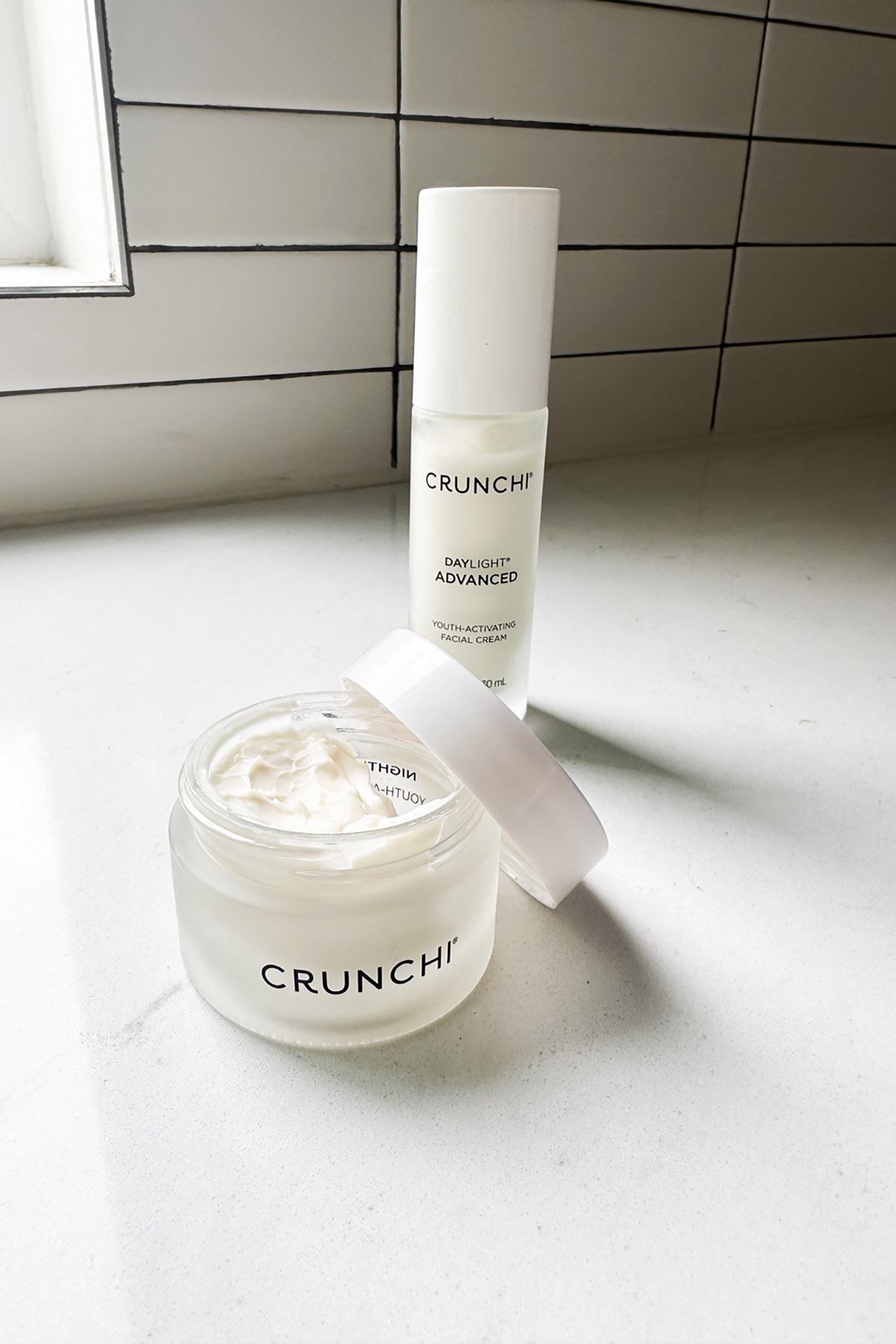
You can see my whole clean skincare routine here as a reference for how I put my skincare routine together.
Common Skincare Mistakes That Create More Problems
We’ve gone through most of this above, but here are a few key takeaways. These are the common mistakes people make when building an effective skincare routine.
- Ignoring sun protection
- Using too many actives together
- Chasing trends instead of consistency
- Switching products too often
- Expecting instant results
Takeaway
Your skincare routine needs to fit into your life and support it. It shouldn’t complicate it. Remember to start with a simple routine, even if that means putting some of your current products away for now.
I have blog posts all around my website on various issues, concerns, and products reviews to help you build a skincare routine that works for you. And I’m always happy to answer any questions directly. Email or DM me!