
Pros and Cons of Stainless Steel Cookware
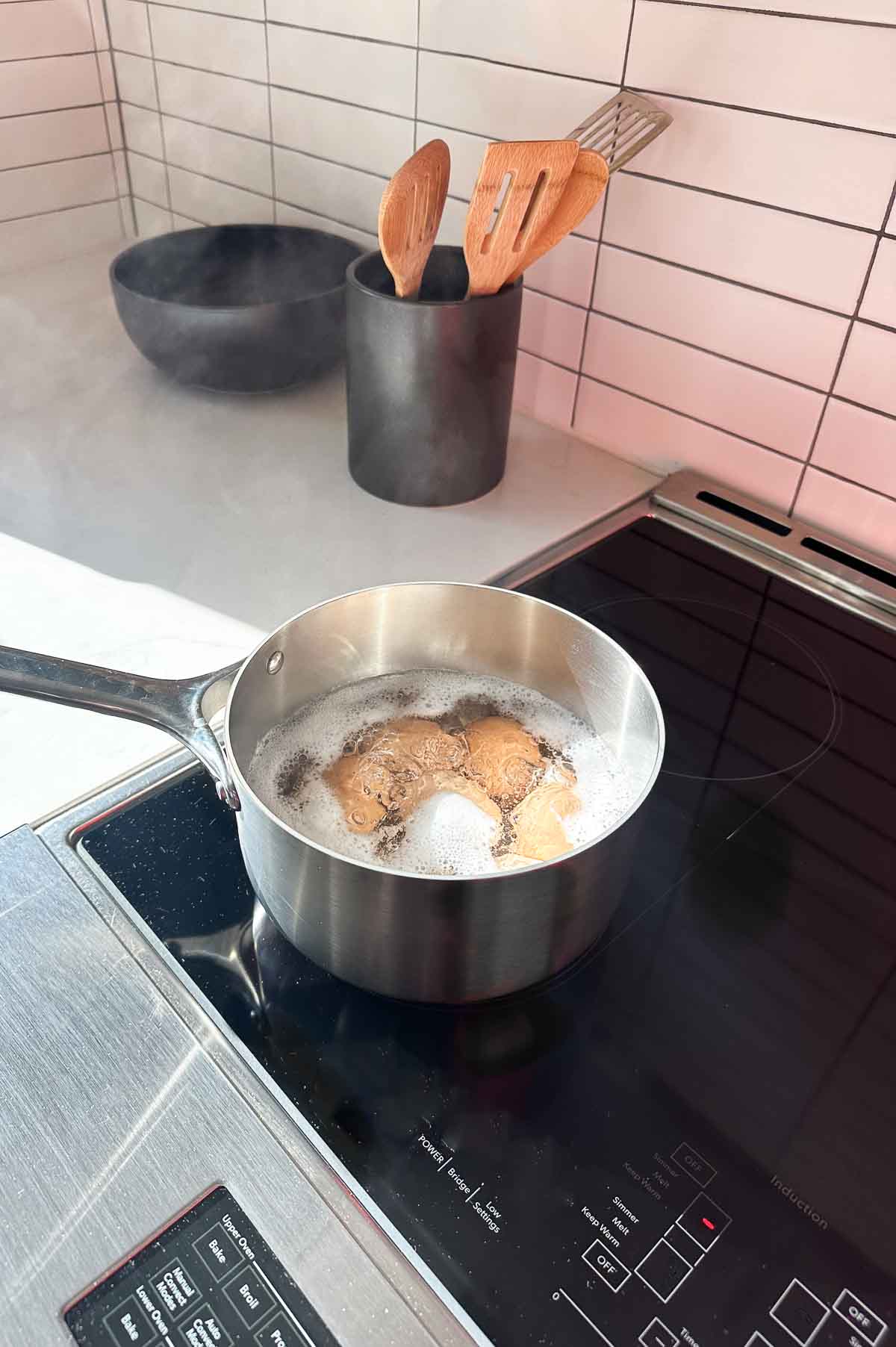
I’m a big fan of stainless steel cookware. I’ve been through the various phases of cookware material fads – nonstick, ceramic, and even a bit of cast iron. Each material has its pros and cons for cooking, but nothing beats stainless steel in my book in terms of longevity, sustainability, and health/safety! Below and the pros and cons of stainless steel cookware (as well as how to manage the cons)!
I have two brands that I recommend for stainless steel cookware, but this set is what my husband and I really prefer. They’re high quality, beautifully made, and come with great organization for our cupboards. You’ll recognize the name brand for nonstick cookware, so don’t get confused when you go to the site – it’s the stainless steel you want!
CONTENTS
Pros and Cons of Stainless Steel Cookware
What is Stainless Steel
At its core, stainless steel is made of iron and chromium alloy. Various stainless steel products have other minerals and gases added in for varying reasons (think nickel to prevent corrosion). This post breaks this down in a lot of scientific detail if you’re into that kind of thing!
The composition of stainless steel is important to getting a high quality stainless steel pot or pan. The additives (preferably all safe ones) each contribute to a pan or pot’s durability, heat distribution, conduction, and, yes, corrosion.
Another consideration is the PLY. Nope, we aren’t talking about toilet paper (but you can see what we think is the best sustainable bamboo toilet paper). Similar to TP, however, ply refers to the number layers. Each ply is a layer and each layer usually adds something. One example in cookware is when there is a copper layer between outer layer for even cooking or heat retention.
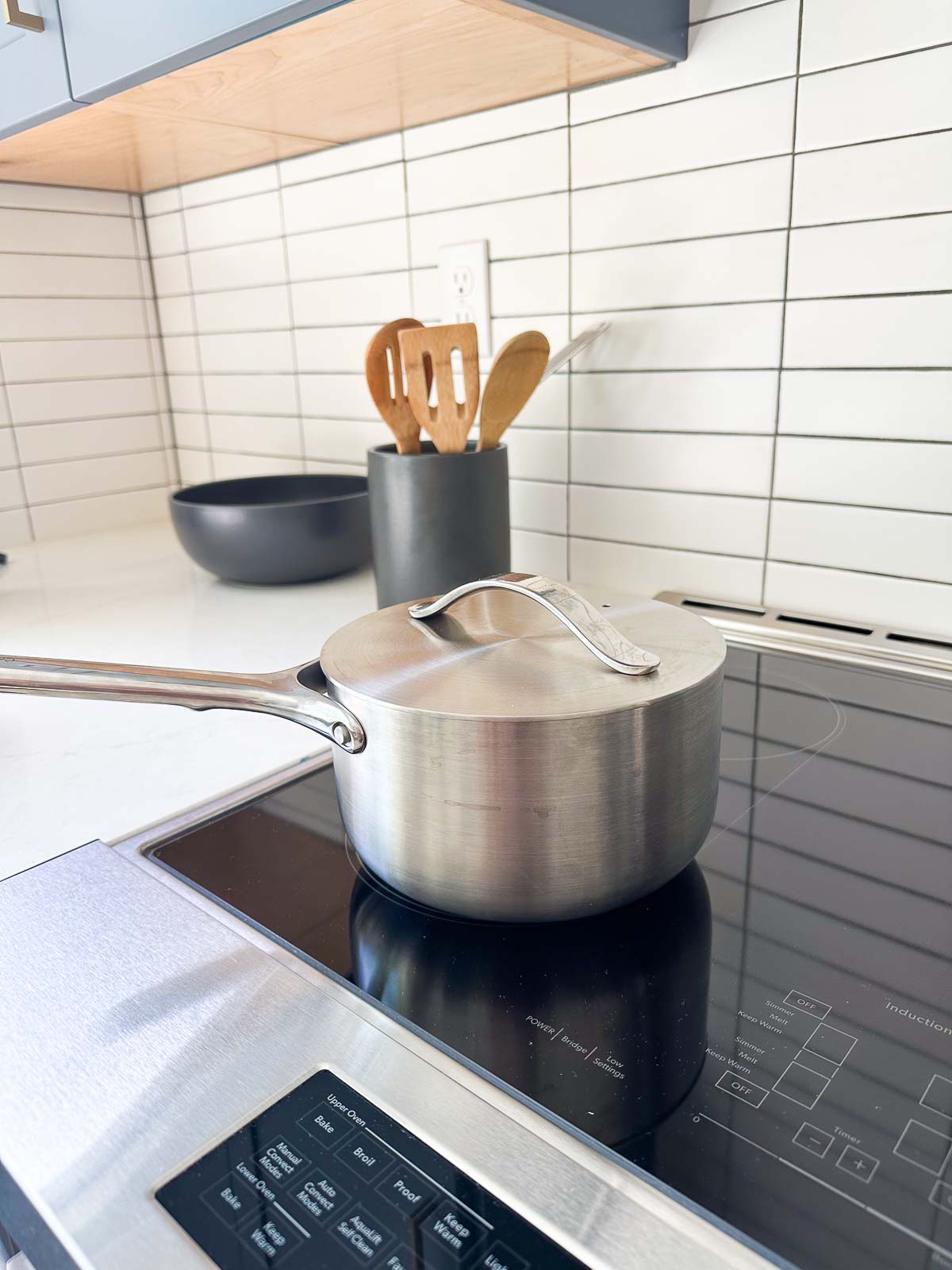
Usually stainless steel pans and pots come in 3-ply to 5-ply. 3 ply is generally less expensive and faster to heat. With more layers, the 5 ply is more expensive, takes longer to heat, but has better heat distribution and retains heat better. I really value the heat conductivity of our 5 ply collection since I’m apt to wander away from a pot on the stove and don’t want to come back to a completely mis-cooked mess. Just being real here – life happens.

What Are The Pros Of Stainless Steel Cookware
Longlasting
If you’ve ever looked in a professional kitchen, you’ll see stainless steel. And if an older relative has pots or pans, they’re likely stainless steel (or cast iron). This is because stainless steel cookware lasts a long time. They’re durable and great for a home cook as well as the professional chefs!
Durable
One of the things that scared me the most about nonstick was when a nonstick coating starting flaking into my food. You’re not supposed to use anything sharp on nonstick pans because if that coating gets scratched, the coating can start releasing pieces into food and releasing gases.
And while this might sound lazy, I can’t be trusted to always use the right utensil when I’m in the middle of cooking. And I really love using a thin spatula to flip things over (i.e. metal)! Metal utensils are the safest, most sustainable option, so I want to use cookware that can handle them. So I use stainless steel and it’s never cranky about what tool I use!
Gases can also be released with nonstick pans if it gets too hot, and there’s no easy way to know when that is exactly. Stainless steel pots and pans, on the other hand, can handle high heat safely! I’m just trying to cook dinner over here, not run a science lab, so we’re safe and I don’t have to worry about it! Nailing it one dinner at a time!
And did you know that you shouldn’t be cooking acidic foods in nonstick cookware? I didn’t either. The acid can breakdown the coating. And when that coating is cut or degrades, the gases release and the particles enter your food. Blah and no thank you.
This bullet point feels like 5 pros of stainless steel cookware all in one, but you get it. It’s VERY DURABLE.
Sustainable & Recyclable
Stainless steel is infinitely recyclable, so it can continually be recycled and remade into other items without ever losing its integrity. Many recyclable items lose their ‘value’ after a few recycle cycles (yep, paper, plastic, and even glass is complicated).
Additionally, the nonstick coating on a pan makes the cookware unable to be recycled – the material itself isn’t recyclable and the conglomeration of multiple materials prevents it from being recyclable. So once it’s been used, it’s trash!
What Are The Cons Of Stainless Steel Cookware
Hard to Clean
On the top of any list of the cons of stainless steel is that it’s hard to clean. I find our stainless steel cookware easy to clean, actually, but that’s because of a few things I do while cooking to prevent food from sticking.
You want to make sure the pan and then the oil are hot before adding food. And you don’t want to temperature shock the pan by either adding cold food to the hot pan or adding cold water to the pan immediately after cooking.
I take all meat out of the fridge at least 20 minutes before cooking to bring it to warmer temp – this also helps meat from seizing and becoming chewy! You can read a few other tips on ways to prevent sticking and how I clean our cookware in how to maintain stainless steel pans.
And while stainless steel pans are technically dishwasher safe, I’d recommend hand washing most of the time. It’s gentler and more caring. These pot scrapers are a LIFE SAVER for cleaning cooking surfaces and awkward corners, however. Even for stuck on stuff, you can do a soak and then swipe the stuck on bits with this little guy. Also a great stocking stuffer or small gift idea!
Requires Cooking w. More Oil
Because a stainless pan doesn’t have that slippery coating, you do often need to use more oil (or just use oil in general) when cooking. It’s important to note that lower temps will require slightly less oil and you’ll want to be sure to warm up your pan before adding any oil or food.
If you’re concerned about cooking oils, I’d recommend researching healthier oils to use. We use organic extra virgin olive oil almost exclusively. But there are plenty of oils on the market that are good and good for you (I realize this is a personal claim, so you do you, obviously).
Is Stainless Steel Cookware Worth It
If you’ve read through all these pros and cons of stainless steel cookware, then it’s a clear answer of whether or not I think stainless steel cookware is worth it. It’s safer and more sustainable. And just as important to me is that it lasts a long time, so you’re getting more use out of your money spent.
Even when your stainless steel pans lose that beautiful sheen, they’re still wonderfully functional and good to use. So you can enjoy using them for years to come!
Do you use stainless steel? What are your tricks and hacks for making it an easy addition to your kitchen?