

How to Reduce Waste At Home

If you’re wondering how to reduce waste at home, this is for you. While the idea of reducing waste at home is daunting because we all have SO MUCH waste, the good news is that there are so, so many ways to start reducing your waste at home! Every human is affected and affects waste and pollution around the world, so you starting to make changes in your home is a wonderful contribution to this big problem.
CONTENTS
How to Reduce Waste At Home
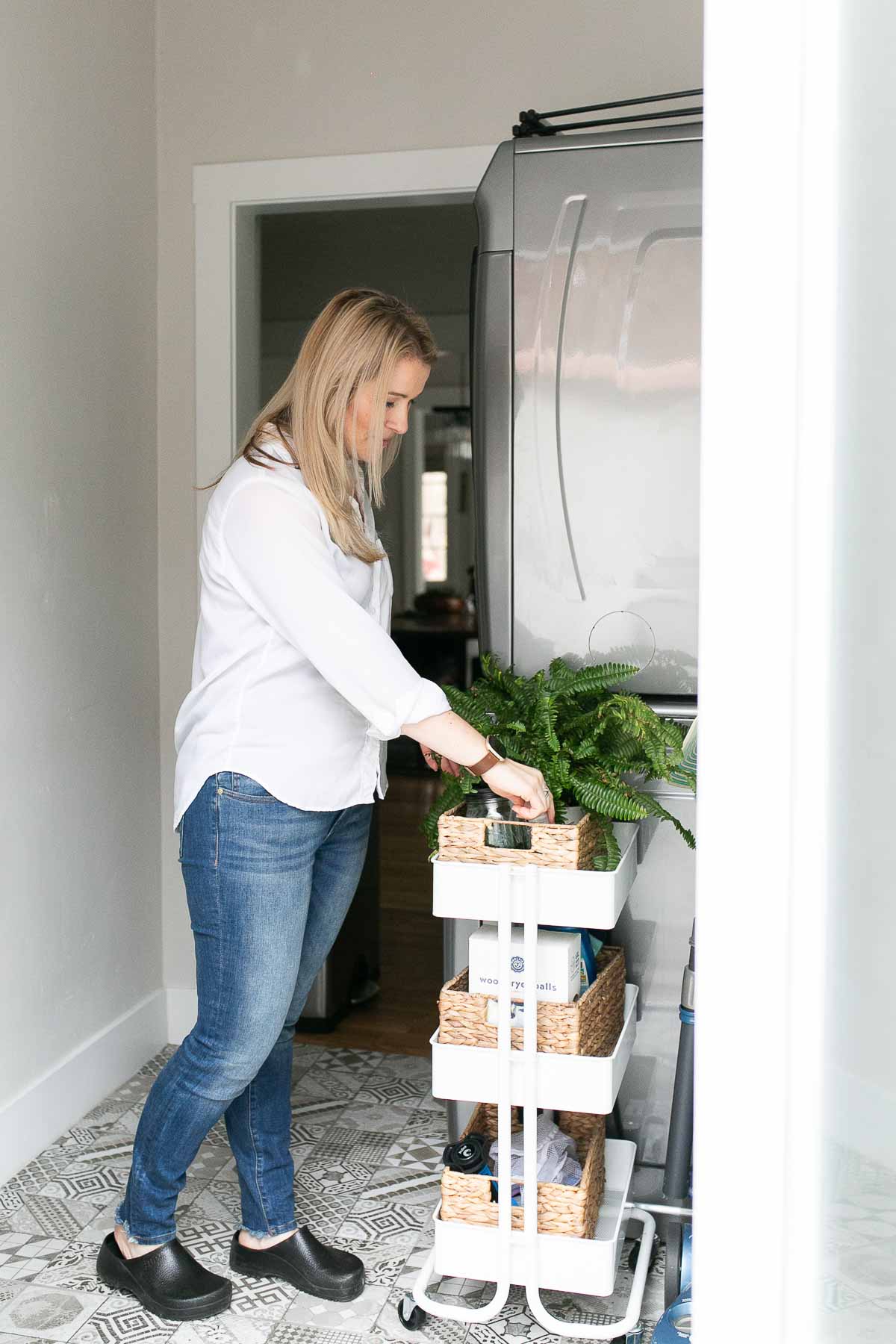
Below there are many specific ideas for how to reduce your waste in regards to food, water, plastic, energy, paper waste and more. But the most important concept when we talk about how to reduce waste at home is that you HAVE TO bring in less stuff. Even if we just consider the packaging that comes with and around stuff – it’s wasteful. And then there are the items themselves.
Many of us operate with a disposable mindset. It’s so easy to replace items (necessary or otherwise) that we don’t think much about throwing something away. And, yes, even if you’re donating it, you’ve still created that first demand for something new. So when you can, think about the whole life cycle of items brought into your house – buy for longevity and remember that the most sustainable thing is the one you already own.
What Is Zero Waste Living
Ok, so we need to talk about “zero waste.” I think a lot of us think zero waste or even sustainable living and we think of fitting all our trash for a year in a jar, but that’s just not realistic – for anyone. Zero waste living is more of an ideal that we work toward, but don’t expect to ever achieve.
The idea also embraces reduce, reuse, recycle – YES, IN THAT ORDER. In every category below, I start out with buying less (reduce) – it really is the most important that you can do. And try to find ways to reuse before throwing away and/or buying new. And the last option should be to recycle. Let’s just ignore the ability to even throw things in the trash!
If zero wastes motivates you, then go for it, but just know that around here we just want to reduce waste to be more eco-friendly. And we might be talking about reducing a lot of waste, but our goal is not zero – because our goal is still sanity! 😉
See this post for tips on how to recycle at home.

What Are The Most Common Household Waste
- food waste
- plastic waste
- water waste
- energy usage waste
- paper waste
- textile waste
How Can We Reduce Household Waste
How can we reduce household waste? Easily and quickly. Ok, so I’m going to share a slew of places we often have waste as well as ideas for limiting it. Pick one area and start there. Sadly and frustratingly, we can’t just flip the switch overnight on reducing waste in our homes.
Rather, we’re going to start seeing all the wast everywhere, but we’re going to focus on one area at a time. For us, we started with food waste and food packaging waste. From there, I think we started looking at water and energy waste as this was directly related to how we could save money and natural resoruces.
Ultimately, waste reduction and living sustainably should be less expensive in the long run even if it may seem quite the opposite up front. Imagine buying one good, reusable thing one time versus tens, hundreds, or thousands of single-use, lower quality items!
Looking for more simple ways to make your home a little more sustainable? I’ve put together a free Sustainable Swaps Guide filled with practical ideas you can start using today—one small change at a time.
How to Reduce Food Waste at Home
Most of us have always just thrown away food, right? Here’s the guilt trip (to get you motivated!) Did you know food and organic waste is one of the largest waste streams? And did you know the decomposition of organic waste in landfills is a significant source of greenhouse gasses? So, let’s reduce food waste, shall we?!
Ok, so this one sounds like a lot, but you just need to find the method that works best for you and your home. The first three items below are all around intentional meals. In essence you need to be more mindful about the food you bring into your home and then be on top of eating the food before it goes to waste. And if you’re wondering why food waste is such a big deal – food waste goes to the landfill and decomposes
Meal planning
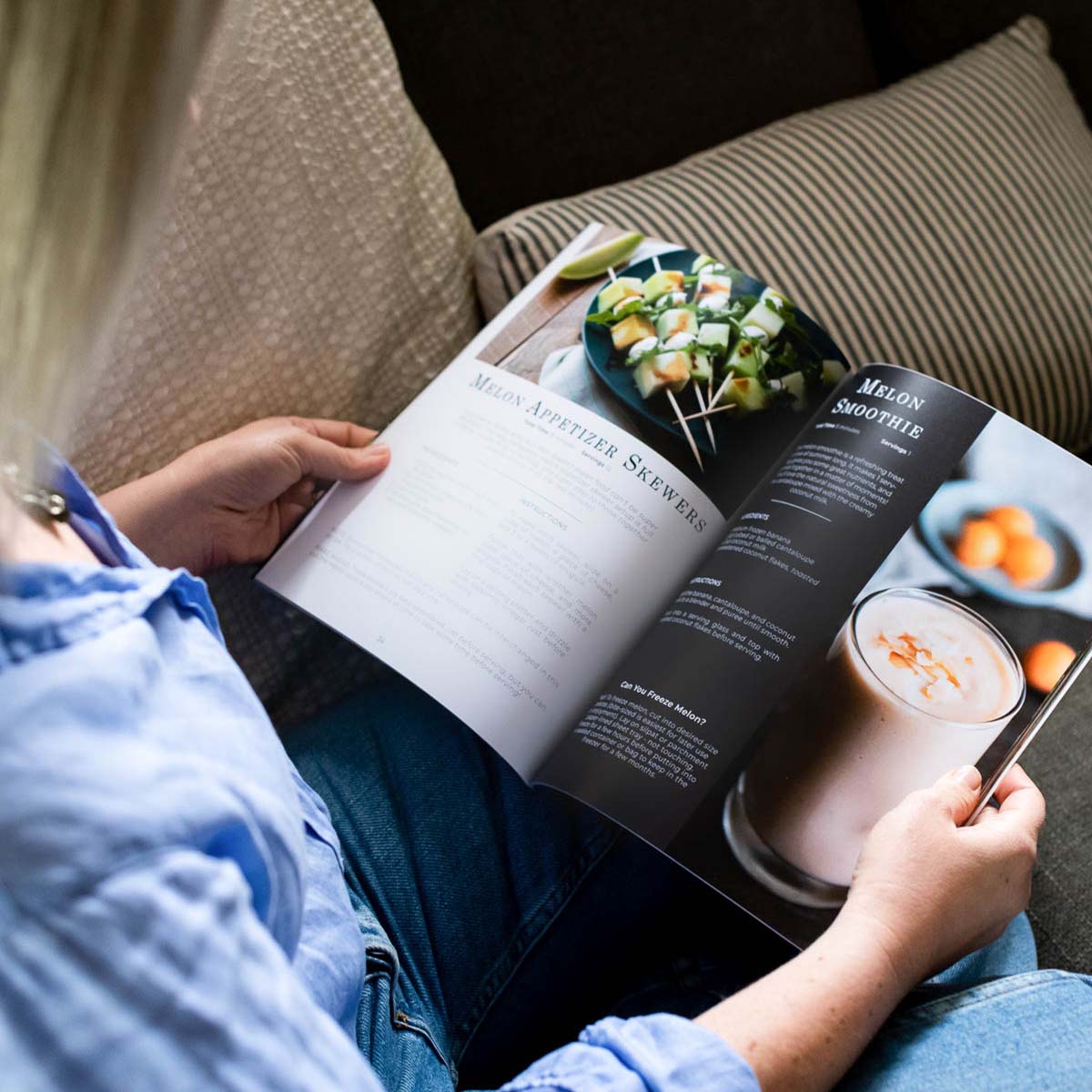
Option one for food shopping and eating is to plan your meals. This might be all meals; it might just be dinners; it might just be breakfasts. If you have a plan with your food, however, then your shopping list will be much more intentional – and you’re less likely to buy random items that you may/may not use.
One great thing here is to choose dishes/recipes that work together to use up foods. If one recipe calls for half a can of tomato paste, try to find another that will use the other half!
meal prepping
An even more accelerated version of meal planning is meal prepping. This prevents scrambles for meals at the last minute, unnecessarily eating out or buying ingredients you aren’t apt to finish.
Similar to meal planning, I think meal prepping can be for all meals, dinners, lunches, breakfasts, or maybe just for specific days. I use the “shop your kitchen” method (below), but one thing we do is to meal prep my husband’s breakfasts for the week. One Sundays, I make a large egg bake that he can portion into breakfast each morning. He gets fed without a shred of food waste, unnecessary packaging, or moments of hanger!
shop your kitchen
The third option for responsible food waste reduction is what I like to call “shopping your kitchen.” It basically means you let the food in your home dictate your meal. I do this loosely, however. I often make what I want, but I find a way to incorporate whatever we have and need to eat into our meals.
Eat seasonally
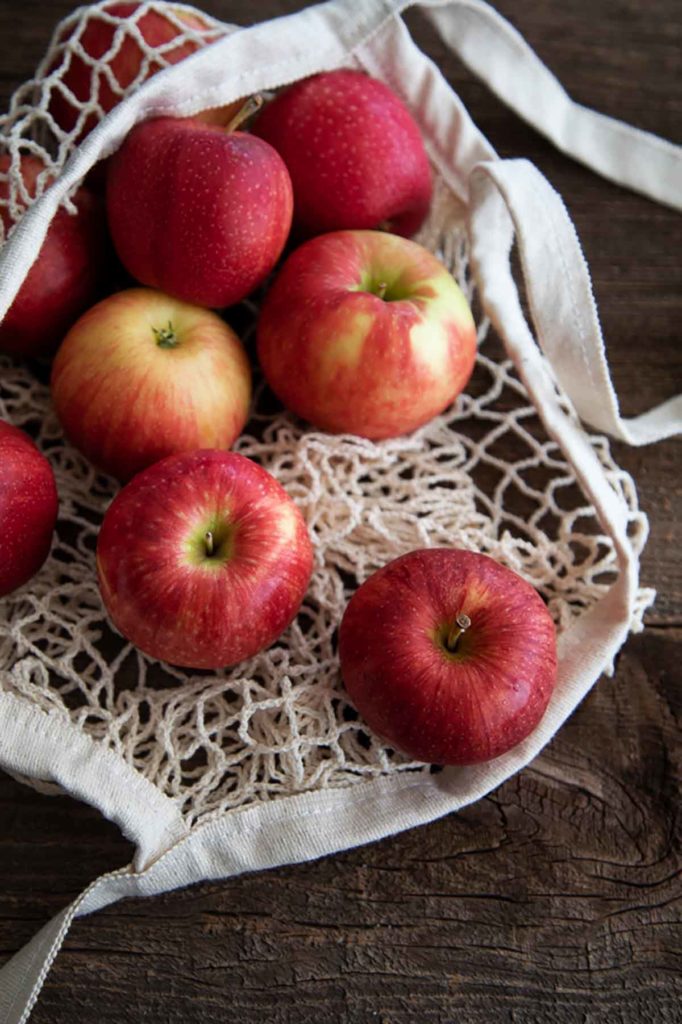
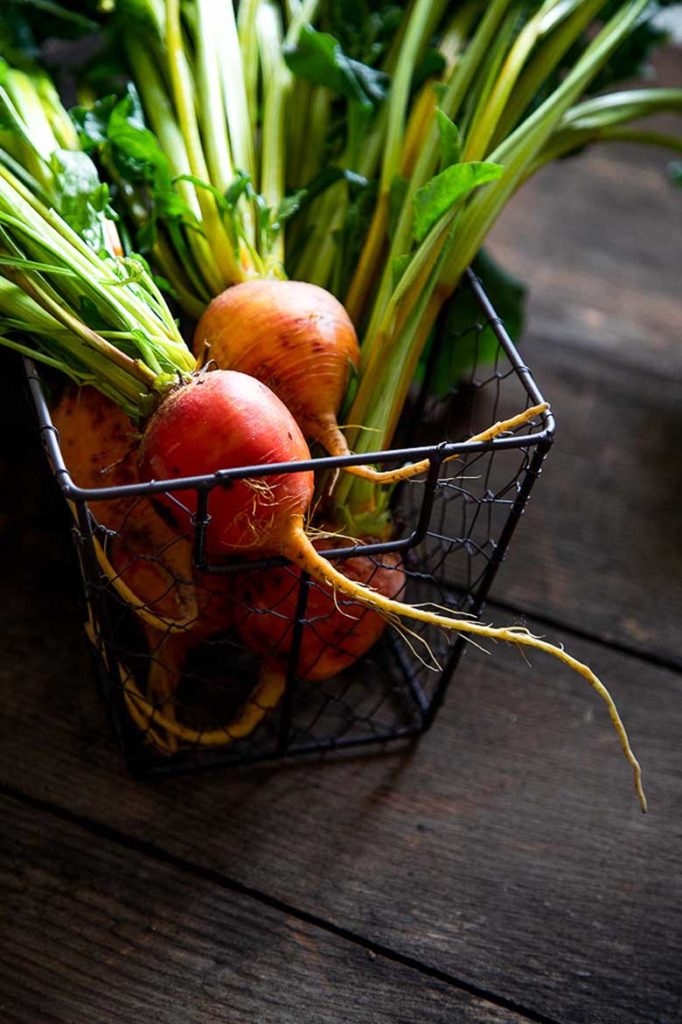
I’m a big proponent of eating seasonally. All produce has a season in which it grows (some longer than others). Produce grown in season (closer to your home) will taste better and last longer. produce grown internationally and flown in has already spent much of it’s edible time in transport. Think of the deliciousness of watermelons in summer and oranges in winter – these are their prime growing seasons.
Wondering when what is in season? Get my free downloadable seasonal produce cheat sheet. And check out these posts that give lists of seasonal produce along with recipes for them all!
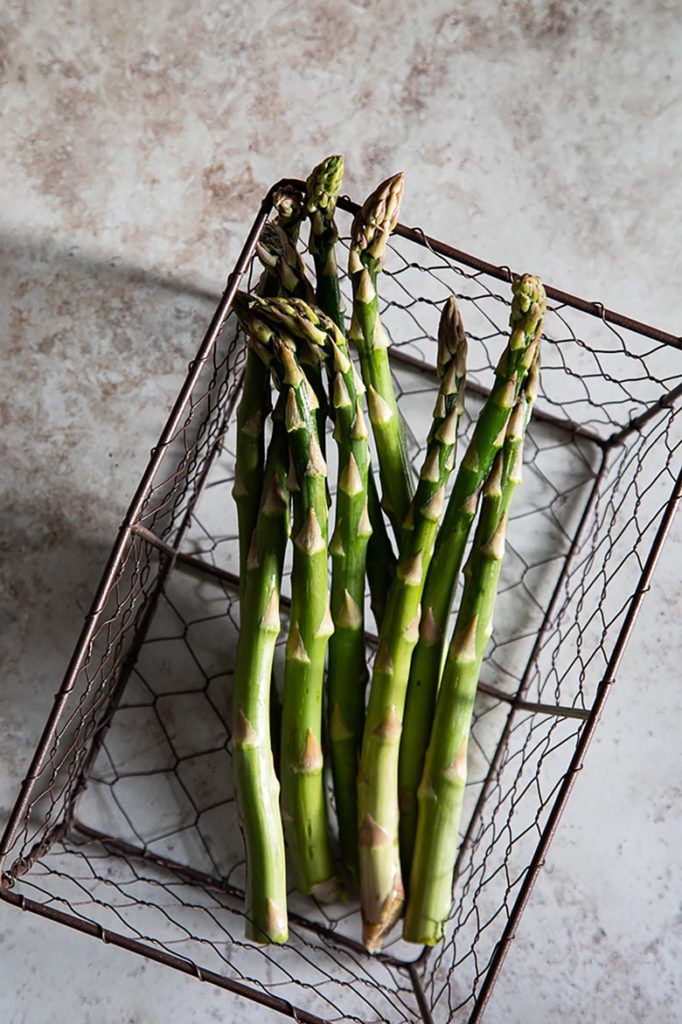

How to Reduce Food Packaging Waste at Home
Farmers markets
We’re spoiled in California to have markets open year round, but it also means we should be shopping at them year round. Whatever your local market schedule is (for however many months), shop it as much as you can. The food isn’t pre-packaged and can be taken home without plastic (you need to bring your own reusable bags – I like these).
Bring your own bags
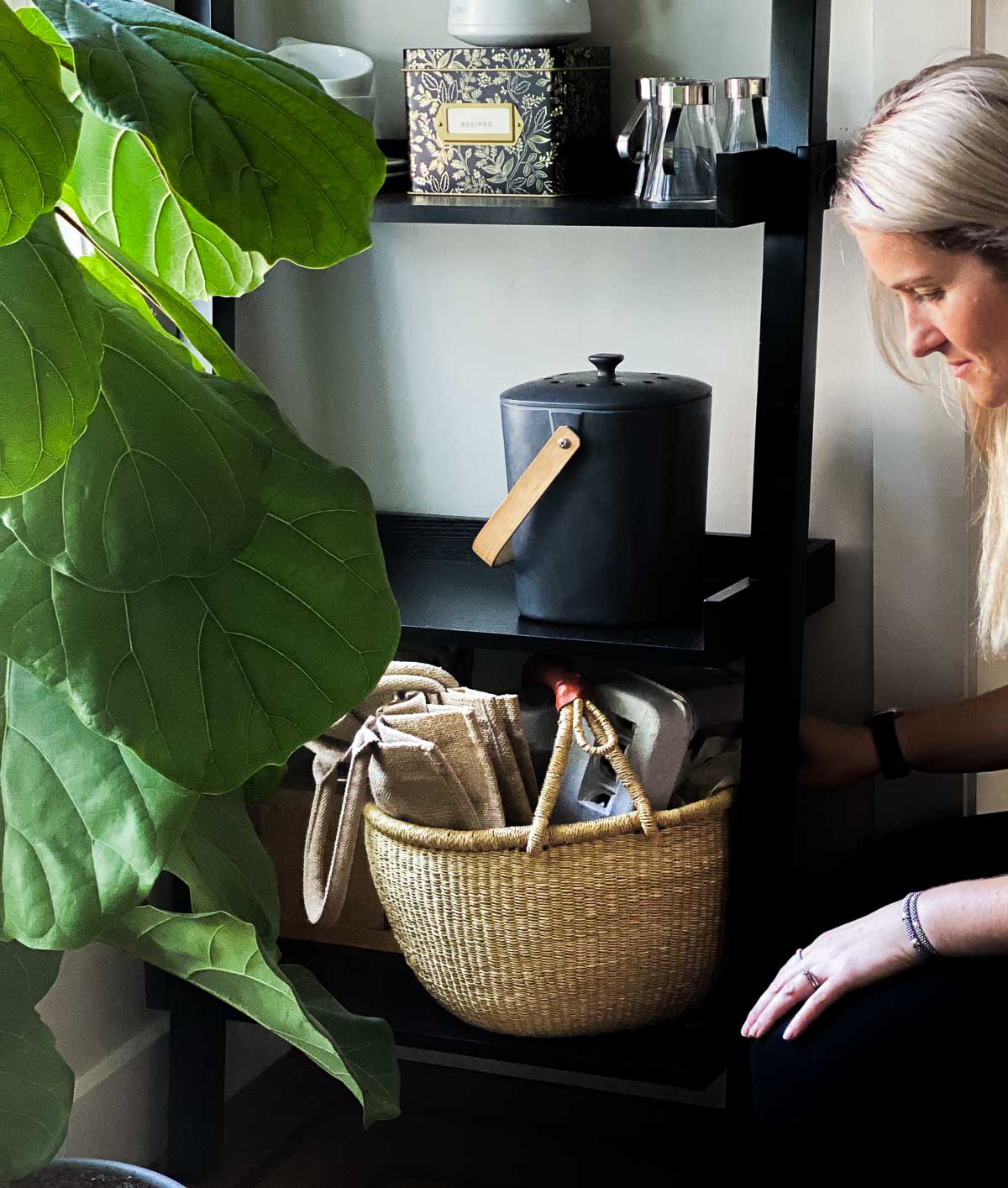
Yes, your reusable shoppings bags, but not just your shopping bags. To avoid those plastic (and even compostable) bags in the produce section, bring your own reusable produce bags. Most produce actually needs to breathe or it will mold quickly and go bad, so having breathable bags is best!
Overwhelmed with reusable bags? First, you probably don’t need as many as you have. Second, when you get it down to a good number, check out my tips for how to store and organize reusable bags.
bulk bins
Bulk bins are your friend and many grocery stores even have small to large sections of them. Use jars or cotton bags like these. Bulk bins often contain grains (e.g. rice, quinoa, bulgur), nuts, dried fruits, and candies to name a few. Using your reusable bags and buying from bulk bins eliminates so much food packaging waste in your home.
How to Reduce Plastic Waste at Home
buy fewer things
The best way to eliminate plastic waste in your home is to eliminate things that will likely be wrapped in plastic into your home!! For a variety of reasons, most products are wrapped in plastic and other materials that give me an eye twitch (I’m looking right at you, styrofoam). Packing paper is really the only packing material that’s easily recycled. All other plastics, foams, etc. cannot be curbside recycled!! See this guide on recycling basics and proper plastic bag recycling!
Let me tell you from a lot of experience, once you realize how tricky it is to recycle these things, you’ll develop a major aversion to them!!
shop locally
When you order online, there’s usually packaging. When you shop locally (and generally in store), there’s usually not packaging! TADA!!! Shopping locally is so much more sustainable than supporting big box stores – plain and simple.
proper recycling
Ok. So many of us know about paper, glass, and plastic bottles being recyclable, but what about everything else? In truth, many people recycle items in their curbside bin that local facilities aren’t able to recycle. This is one of those tricky things where I have to tell you to check locally, but it’s a real thing!
There are many companies that help with recycling those tricky things though. For all personal care (think toothbrushes and loofahs to mascara tubes and hairsprays), you’ll want to learn all about the mail-in and dropoff makeup recycling options (more than just makeup).
stop buying plastic water bottles
Goodness me this is a never ending issue. As an avid water drinker, I absolutely understand the need for good tasting water, but I do not understand the dismissal of waste with all those plastic water bottles. Invest in a good filter or filtration system. This is the best water filter. We used it when we lived in LA! And get yourself a reusable water bottle or two!
How to Reduce Energy Waste at Home
power strips
Power strips are a wonderful way to reduce energy waste at home. You can easily turn on/off power to appliances with the single click of a button. Whether you’re traveling or not in a room much, just switch it to off to eliminate waste.
smart appliances
New appliances are mostly designed to be more efficient. There are certainly levels of efficiency. More efficient will mean less money in the long run, but boy I understand needing to stay in budget.
It is important to note that sometimes buying a new appliance will save more than continuing to use the current one. This is where you get a fine line of the “right” option. New appliances reduce energy waste at home. Using old appliances and repairing them rather than replacing is more sustainable because it creates less demand for new things.
So, as my sister would say, make good choices! And I say it’s ok to grab a cocktail!
scheduling appliances
This is fun one. Newer appliances often come with a scheduling feature. We use this to try to use come appliances during off-peak hours. Our energy company has varying rates at different times of day and during different seasons. Because of this, we try to run the dishwasher and charge our car between midnight and 6am when it’s cheapest. Similarly, my mom has solar panels, so she tries to run everything during the day when she’s getting “free” energy from the panels. I love being able to set it and forget it though!
How to Reduce Paper Waste at Home
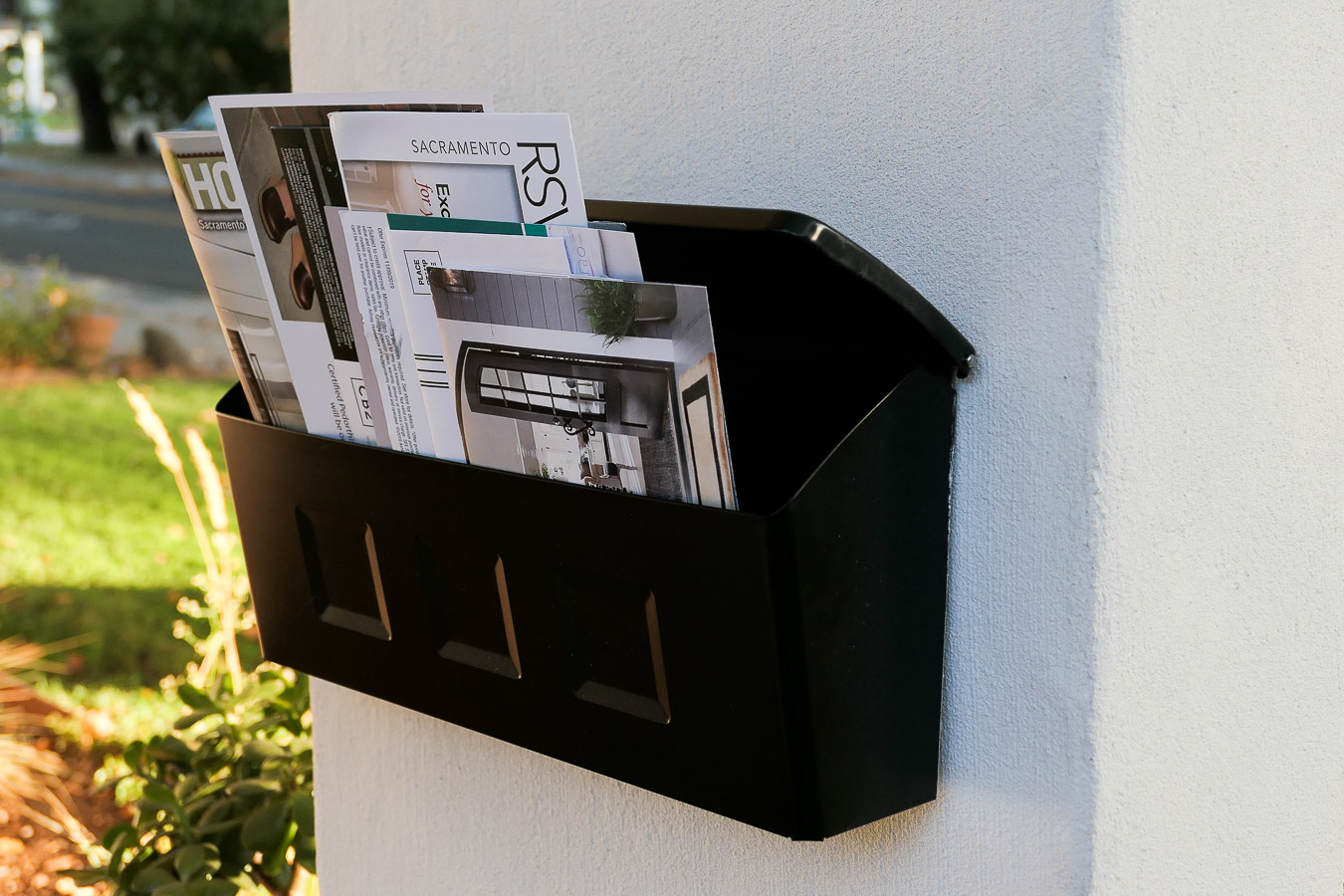
As the parent of a six year old who likes to draw and write stories, we have quite a bit of paper in our house, but it doesn’t concern me (the mess does but not the fact of the paper). While I like to conserve paper when possible, I think it’s best to prioritize what is a wasted use of paper (like those outdated mailers) and what isn’t.
unsubscribe
You all. Unsubscribing from all the mailing lists hitting your mailbox is an evil necessity. When I first did it about 5 years ago, I would set myself up with a cup of coffee, a morsel, and my laptop to unsubscribe form as many mailings as possible. There are sites that bulk unsubscribe you, but I haven’t personally tried them out.
And to make it faster, I usually just search “how to unsubscribe from XYZ mail catalog.” Then I don’t have to search around on a website for the unsubscribe button. Some sites just have you put in info – other require you to email or call. Start with whatever you can get done!
GO PAPERLESS
As much as you can, switch to paperless billing. Paperless billing is not the same as automatic payments, so you’ll still get an email about your bill and can pay it. Many companies also offer app alerts!
How to Reduce Water Waste at Home
You should absolutely turn off the faucet when you’re brushing your teeth, soaping up your hands to wash, and cleaning dishes outside of the water. All that tap water is literally jsut being thrown down the drain! The big places water waste happens at home, however, is with water tanks, landscaping, and pools…
get efficient
A lot of water can go down the drain while you’re waiting for water to warm. Make sure your water heater is operating at its best potential and turn up the temperate on the heater if that would help.
For landscaping – be responsible. A sprinkler box is great and the new ones often come with smart sensors and apps for you to control the sprinklers. Be mindful of weather changes. Every 1 minute less of watering you do will be a measurable amount of savings.
For pools – check for leaks and ensure your pumps are working efficiently. You can also use a cover to limit evaporation and try to limit splashing a lot of water out of the pool. You can also consider lowering the level of your pool slightly to save water! See more tips for conserving water with pools.
landscape
Some plants and grasses require more water than others, so be responsible in picking whenever you’re replanting next. Also, plants tend to have deeper roots and get more water from the ground if they’re watered less frequently but with more water. Research what each plants does well with and help set your landscaping up for success with less water.
How to Reduce Textile Waste
Textile waste is actually a big problem but not one that we talk about much. When you think of textile waste, think of clothes, shoes, and linens. A lot of us donate items, which is great…in theory. Most of us, however, donate items that really aren’t resale-worthy, so the items are sent to the landfill. And while cotton and linen are compostable/biodegradable – everything these days has some to all plastic in it which never disappears – it just breaks down into smaller and smaller pieces of environmentally destructive microplastics (here’s how to avoid microplastics).
ok. this is a whole thing – and more than another blog post. First, we need to get used to having smaller closets. Having a smaller wardrobe has been so freeing. I always feel like I have something to wear; I know my style (learn how to find your style); and I don’t ever fret about recycling or donating items because it isn’t an overwhelming task.
With all this in mind, it gives me the mental and physical space to buy responsibly. I’ve learned all about sustainable clothing materials and basically never feel remorse about anything I buy a this point!! It feels pretty amazing and it can be amazing for you too!
donate/recycle clothes
I recently read that as people who buy things, we are also responsible for things once we’re done with them. Which is all to say, you can’t just throw it away and forget about it. There are options, however. First, reselling or donating is a great option, BUT don’t just give away clothes that are just too worn, too poorly made. You’re just taxing the donation center and removing the responsibility of throwing an item away to somebody else.
This is the easiest and best way to recycle clothes as well as some great tips for choosing what to donate. You can read specifically about how to recycle underwear and bras here. I’d recommend starting with how to do a closet purge and get yourself a Take Back Bag!
buy responsibly
So, with finding your style and purging your wardrobe, you should be able to identify clearly what you need and don’t need in your wardrobe. This isn’t to say you never buy something for yourself, rather you buy with specific needs or holes in mind. This also lets you prioritize better quality items. While they may cost more, you should also be buying fewer things (in the short and long term), so you’ll be saving money in the big picture.
If you also think about items as something you’ll have to care for and get rid of (responsibly), you’ll spend more time considering each new purpose!
What tips do you have? I didn’t cover everything here and we all have our own ideas and experiences. Please share more in the comments. For more, read our guide on how to make your home more sustainable.





I just found a textile recycling place in Oregon that takes everything as long as it is clean and not wet or moldy….they really do pick up too! So anyone from Oregon reading this blog, check it out!
https://justporchit.com/
Wow! What a great resource, Theresa! Thanks for sharing. They operate in other states too – California, Idaho, Nevada, Washington, and Florida. It’s county by county, so not everywhere, but a great start. Thanks for sharing that resource!!