
How to Avoid Microplastics
Microplastics is a term that’s throw around a lot these days and because you can find microplastics in almost anything and everything these days (yes, including your food and water), they probably should be. But what are they? Why are they so bad? And how can you avoid microplastics?
I talk a lot about sustainable living and clean living here on my blog. Many people think sustainable=clean and vice versa. There is a lot of crossover between the two ideas, but they aren’t the same. In fact, somethings that are more sustainable might not be clean and many things that are clean aren’t sustainable. But here is the one key conversation around which sustainable living and clean living are nearly synonymous!
CONTENTS
How to Avoid Microplastics
Microplastics have become a growing environmental and health concern – and for good reason. Plastics (of any size) can accumulate in ecosystems and food systems, meaning that the food we eat and even the produce we consume likely contain some amount of microplastics. Tasty, right? NOT!
The sad part of this story is that we really can’t avoid microplastics altogether, but there are some easy ways to drastically limit microplastics in our lives. In this one, knowledge is power. Below is an explanation of what microplastics even are, common sources of microplastics, safe alternatives to many sources of microplastics, and how microplastics can harm our bodies and the environment.
What are Microplastics
Microplastics are just what they sound like – micro (very small) pieces of plastic. They can be as large as 5mm (a small pea), but most pieces are smaller (and getting smaller). The truth is plastic can never biodegrade or compost, its ‘breakdown’ process is really just breaking down into smaller and smaller pieces!
Because these pieces get so small, there’s really no way to control them, so they’re blown into waterways, food troughs, playgrounds, etc. BUT plastic doesn’t start breaking down like this when you throw it in the trash, it basically starts the process immediately and everything from cold temps, hot temps, acids, and oils kickstart the process! And then you eat and drink it all! Or it’s in your skincare and you’re just slathering on yourself! Ok. Sorry for the sad story. Let’s get to some more info and ways to avoid microplastics!
What are the Different Types of Microplastics
Primary Microplastics
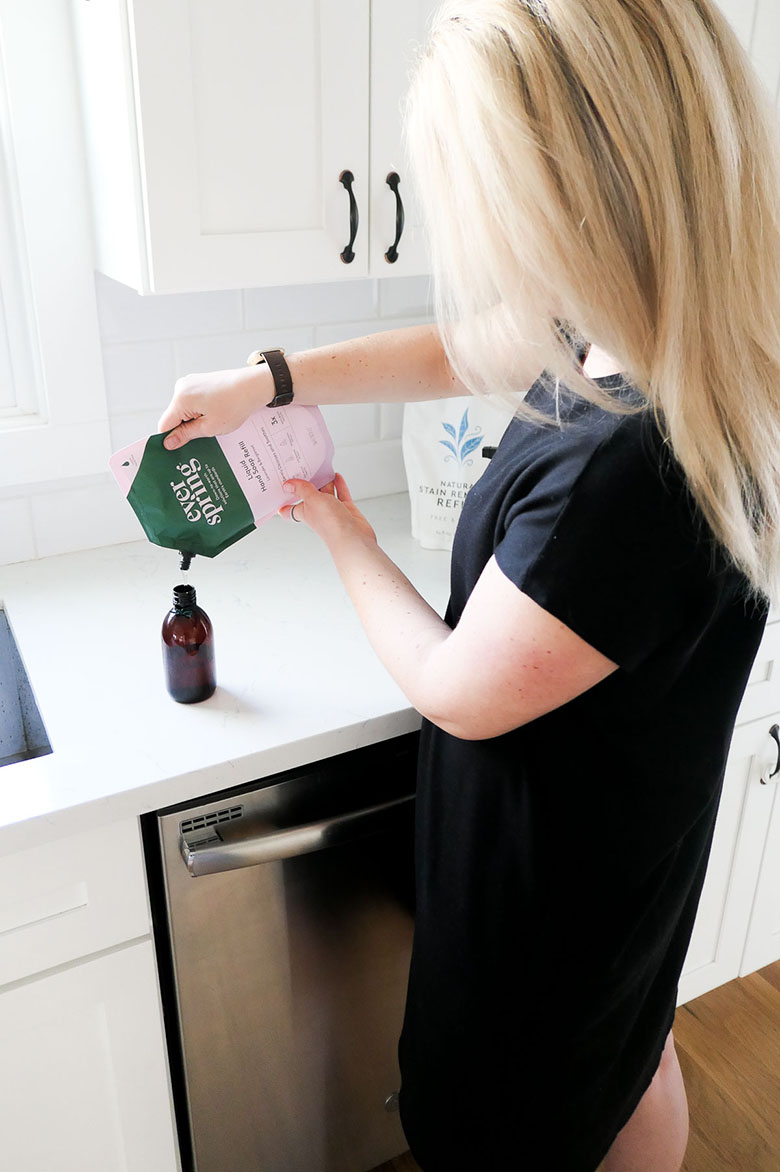
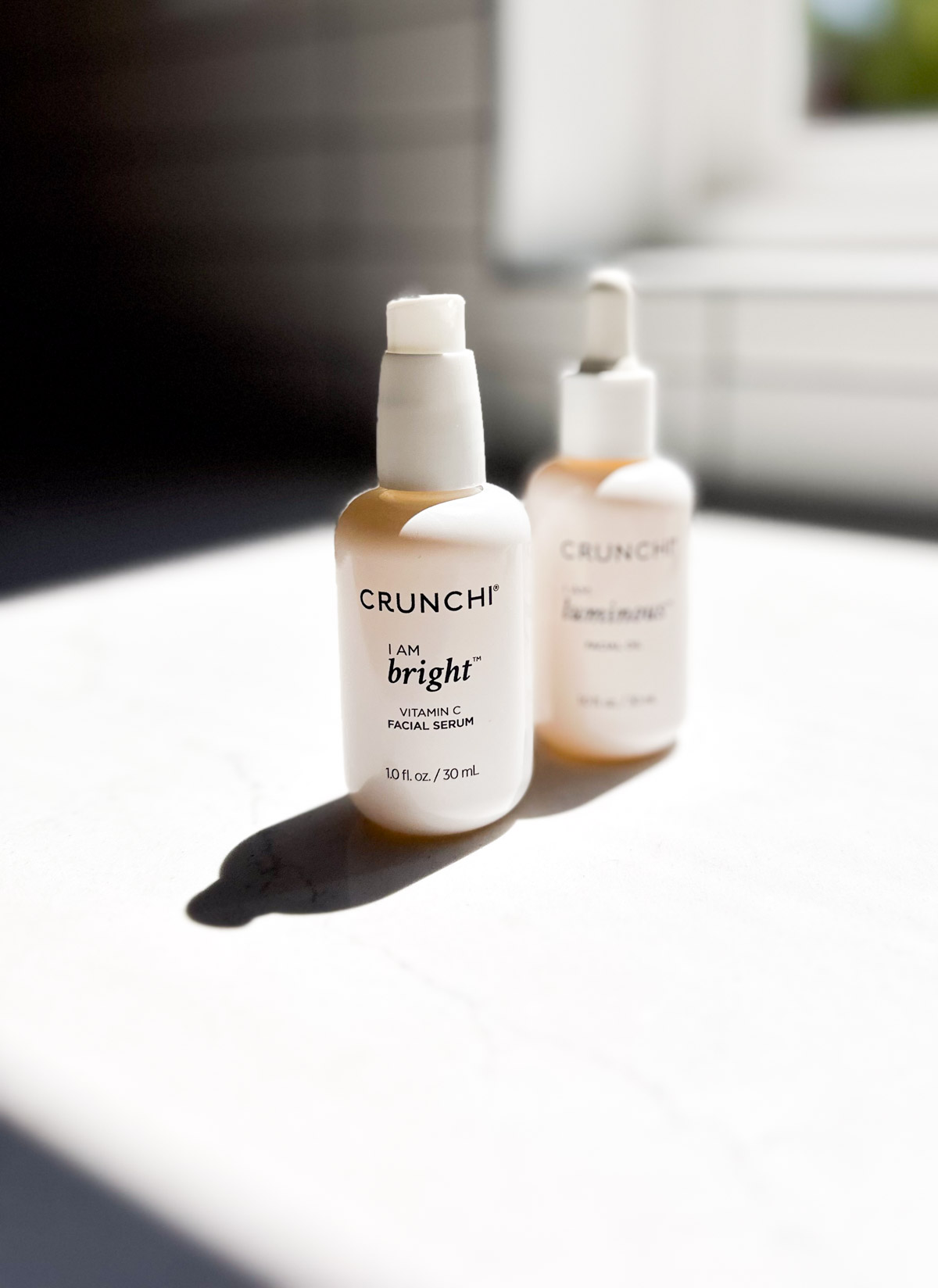
Primary microplastics are items that are intentionally made in small sizes. Common examples of these are microbeads (seen in laundry detergents, dishwasher pods, body washes, toothpastes, face washes, etc.). You can often find them in cosmetics and cleaning products in general. The microplastics are advertised front and center really, we just don’t think of them as being made of plastic!
Secondary Microplastics
Secondary microplastics form when larger plastic items break down over time through sunlight, friction, and environmental exposure. Have you ever picked up a plastic bag that’s old or been out in the sun and it’s starting to crumble and break in the corners? That’s secondary microplastics.
Where do Microplastics Come From
Here’s a quick list of items that create or turn into microplastics, so you can easily see where you can start avoiding microplastics!
- Plastic packaging breaking down over time
- Synthetic clothing fibers released during washing (e.g. nylon, rayon, polyester, spandex)
- Tire wear from vehicles
- Plastic bottles and food containers
- Cosmetics and personal care products containing:
- microbeads (seen in cleaning products and skincare)
- PVP or polyurethane (common in setting sprays and powders)
Are Microplastics Harmful
Microplastics are so teeny, tiny, it’s hard to imagine they could be all that bad, but the thing is that they’re made from petroleum (crude oil) and because it’s synthetic it doesn’t function like a ‘natural’ material. Tiny pieces of plastic can build up in your body and prevent it from functioning properly.
- Inflammation in tissues
- Chemical exposure from plastic additives
- Possible disruption of hormones
- Accumulation in organs
What do Microplastics Do To Your Body
Microplastics enter your body and while some may pass through your digestive system, other remain in your tissues. The research microplastics is in the early stages, but there are already findings of microplastics being linked to inflammation, impaired immunity, deteriorated tissues, etc. The presence of microplastics is now suspected to harm reproductive, digestive, and respiratory health. In essences, microplastics can stop your body from it’s normal functions – no matter what you’re doing to keep yourself healthy and safe.
How do Microplastics Get into Humans
Since plastic and microplastics exists in so many forms, there are a number of ways that microplastics get into our bodies – namely your food and drink. Here are the main ways to avoid microplastics getting into YOUR body, however!
Ingestion
While the microplastics in food can’t be filtered out, limiting food wrapped or cooked in plastic is a big thing here. I know life is hard and pre-made meals are so easy, so do what you can on this one. It might be just removing food from a plastic container to a glass or metal one to heat it up.
It’s also important to note what you cook with. I cook with stainless steel pans and use metal and wood utensils. You can read all about the pros and cons of stainless steel cookware, but seeing pieces of my nonstick cookware flake into my bread batter one time was all the impetus I needed to make this switch!
Drinking Water
Just like with the food, your drink is another place to consume microplastics. The biggest culprit? Plastic water bottles. The hot and cold temps kickstart the plastic breakdown and it breaks right down in to your drinking water. Using cups and glasses or a refillable stainless steel, silicone, or glass water bottle is best!
Ok. But it isn’t just water. Most single-use cups are made of plastic. Even a hot coffee/tea “paper cup” and the “paper” water packages all have a plastic lining. Otherwise, the liquid would soak through the paper. Your hot coffee and your iced whatever are breaking down the plastic in the those cups from the very beginning. Best to bring your own!
Inhalation
Yep, we can breathe it in too! Microplastics are the tiniest specks of material and are easily airborne!
Skin Contact
Those primary microplastics (the items made intentional tiny) are found in cleaning products and skincare, all of which come into contact with your skin.
Related: What Does It Mean to Be Eco-Friendly
How Much Microplastics Do We Consume
Science is amazing, isn’t it? Measuring microplastics. All the research shows that humans consume 35,000-50,000 plastic particles per year! One source estimates that this increases to 74000 – 121000 when inhalation is considered. This varies by age and sex, but human health is clearly affected by this.
Ok. But ready for this stat? People who drink the recommended water intake solely via plastic water bottles may be ingesting an additional 90000 microplastics annually, compared to 4000 microplastics for those who consume only tap water! AAAHHHH!!

How to Reduce Microplastics Consumption
Drink Filtered Tap Water Instead of Bottled Water
Remember that fact above about plastic bottled water really being the biggest source of microplastics? Yeah. So, use tap water and/or filtered water for the biggest change to reduce your exposure to plastic particles. We use the fridge filter. When we lived in LA (terrible water), nothing was better than this water filter brand for bad tap water.
Avoid Heating Food in Plastic Containers
Food comes in plastic. Let me tell you, I have tried to limit this and it is nearly impossible these days. Buying produce at farmers markets helps; buying from bulk bins helps; and taking your own containers for any premade food helps. I have been known to take containers to our butcher to avoid the minimal plastic-lined paper wrap – though truthfully that became too much work.
While a lot of food may come to you in plastic, you don’t need to keep it in plastic. Unwrap anything that can easily be stored out of plastic and, definitely, don’t heat your food in plastic containers (reheats or premade). Instead, transfer the food to a safer container, a metal pan/pot or a crockery/glass bowl. This goes for microwaving, ovens, and stovetop! After plastic water bottles, this is the best way to reduce microplastics from what we eat and drink.
Choose Natural Fiber Clothing instead of Synthetic Fabrics
If you’re unsure about clothing materials, just know that clothing labels read like ingredient labels on food. Here’s a comprehensive list of sustainable clothing materials, so you can be better informed. Synthetic fibers wash away in the laundry, so this is a fast and easy way to send micro (really micro) plastics into the waterways – every time you do laundry!
A few go tos? This is my favorite brand for organic cotton underwear and this is my go to brand for closet basics (and workout wear).

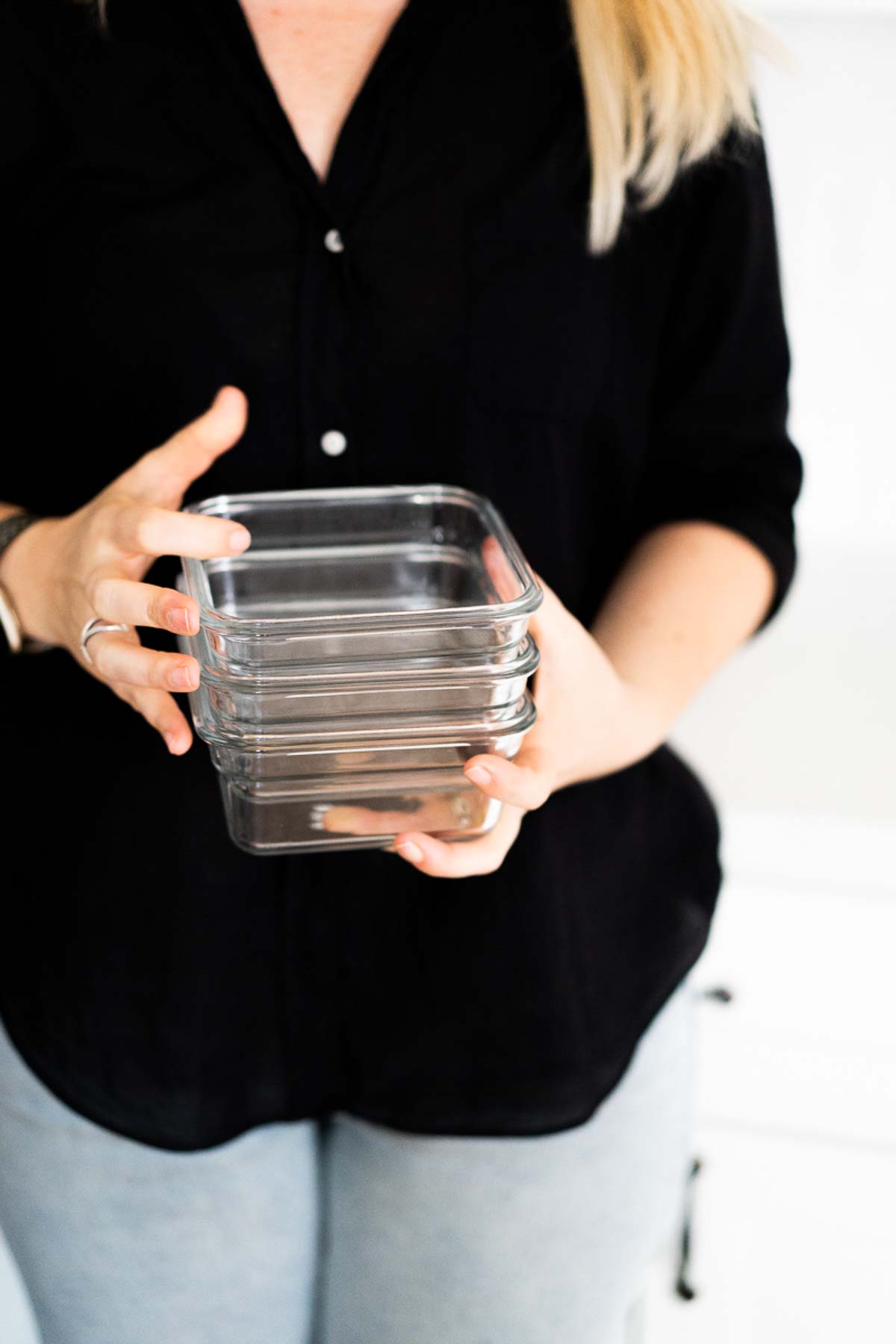
Use Glass or Stainless Steel Food Storage Containers
Glass and stainless steel food storage containers are another great move. Switching from plastic to glass containers was a later move for us because it’s a bit of an investment. I also love these silicone bags in place of plastic bags for food! This helps you avoid eating a number of microplastics.
Another item to include in this category? Your cutting board. Using a wood cutting board is really safer. Every cut on a plastic board, sheds microplastics onto your food! To keep your wood boards looking great (and lasting longer), see how to make wood butter!
Reduce Single Use Plastic Packaging
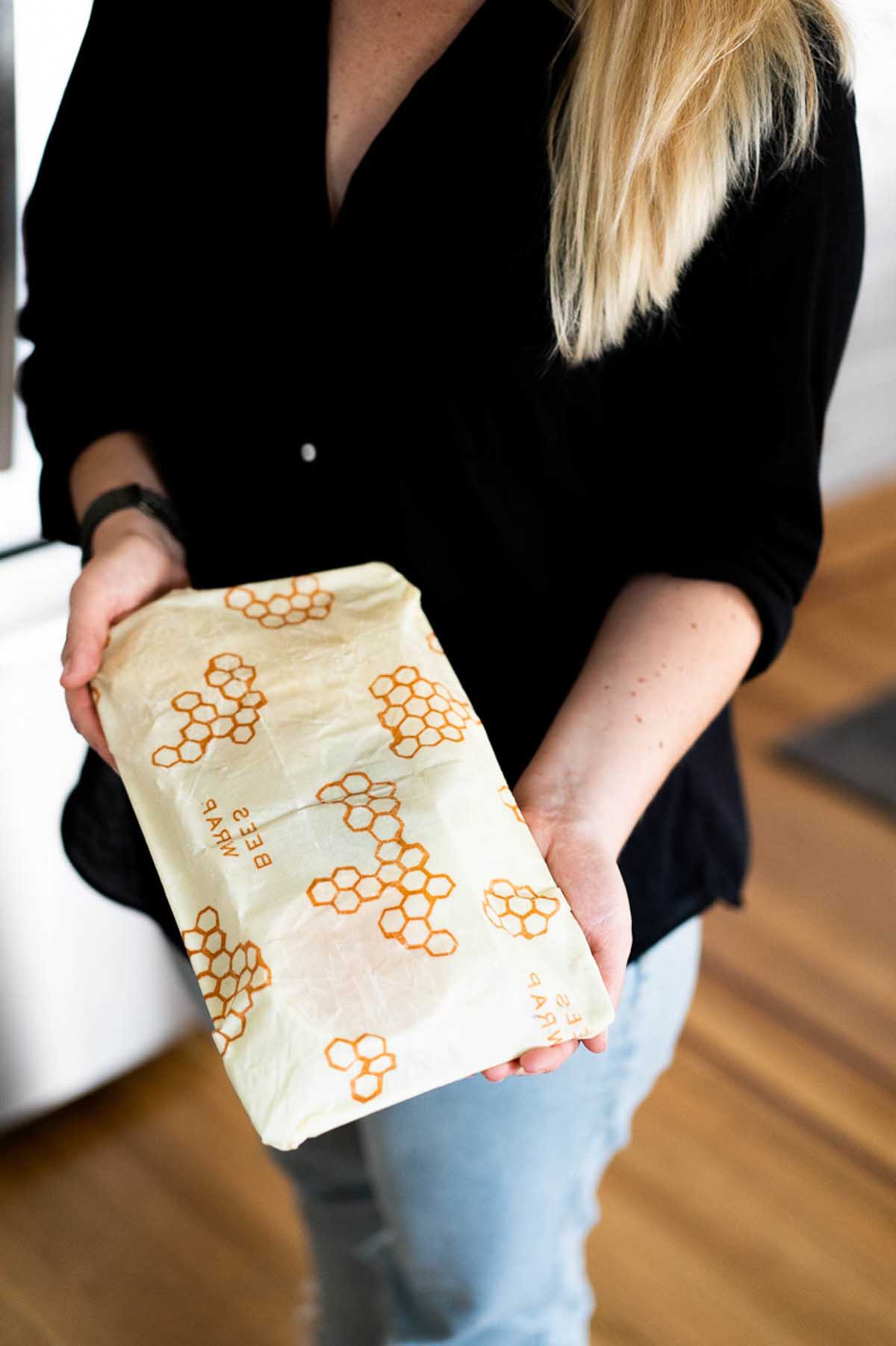
On every single account of life, try to reduce single use plastic packaging!! You can read about all my plastic wrap alternative options – there are many. From a sustainable viewpoint and a nontoxic viewpoint, single-use plastic is just a waste. Plastic utensils are included in this and, no, they aren’t recyclable!
Avoid Personal Care Products with Plastic
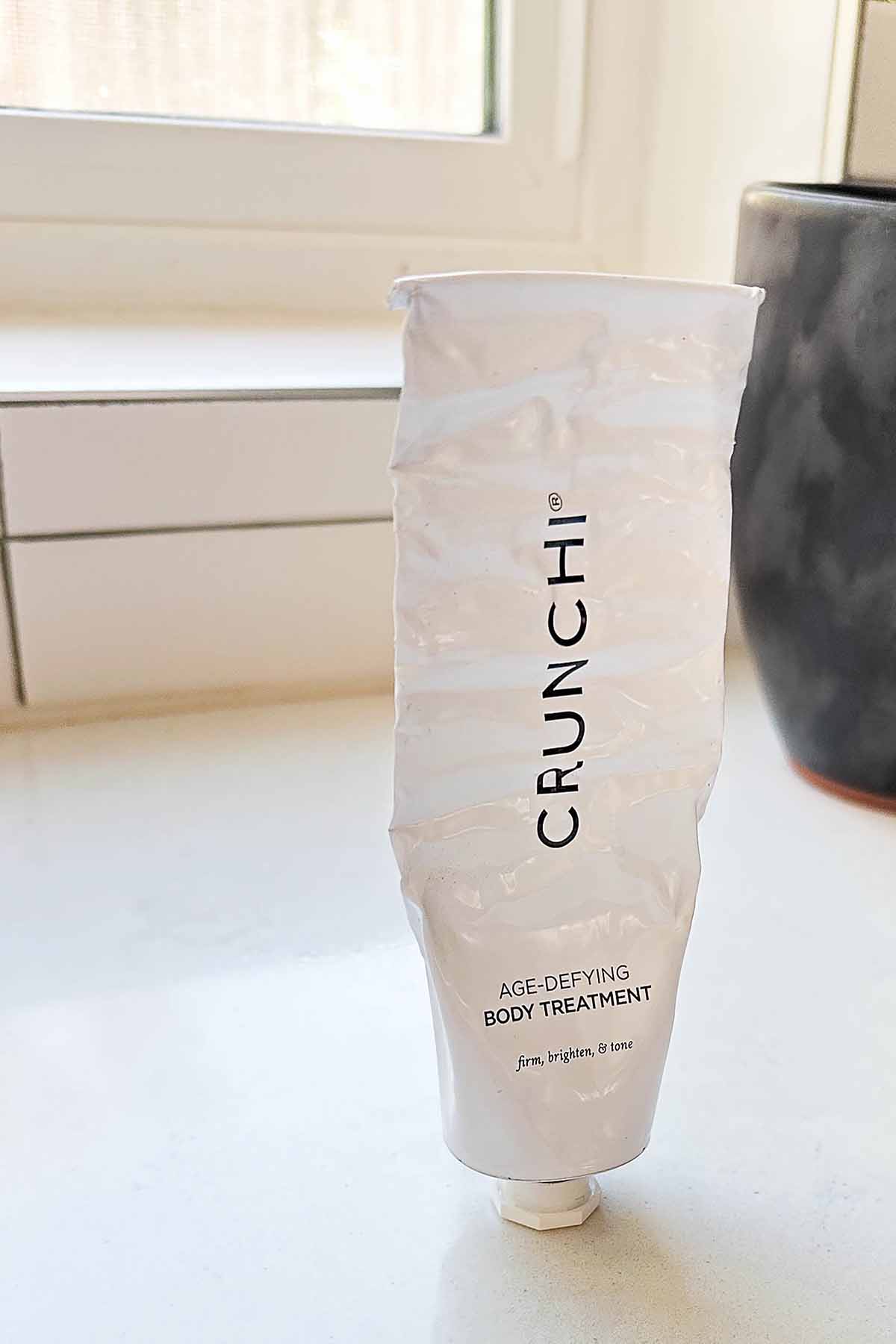
nobody thinks of plastic in their personal care items, but it is most certainly there. Anything with ‘petrolatum/petroleum jelly’ is culprit #1. But there are MANY MORE ingredients allowed in skincare, makeup, and cleaning products that are plastic!
I know clean beauty is a daunting space. Truthfully it’s why I just have a few trusted brands because they go above and beyond just skipping plastic microbeads. They skip all the other toxic and un-sustainable ingredients and most of them do a slew of third-party testing to make sure there aren’t contaminants along the way of production!
To learn more, start with the skin care ingredients to avoid. Then check out the cleanest skincare brand (they have wonderful makeup too)! And this list of non toxic makeup brands!
Use Reusable Shopping Bags and Containers
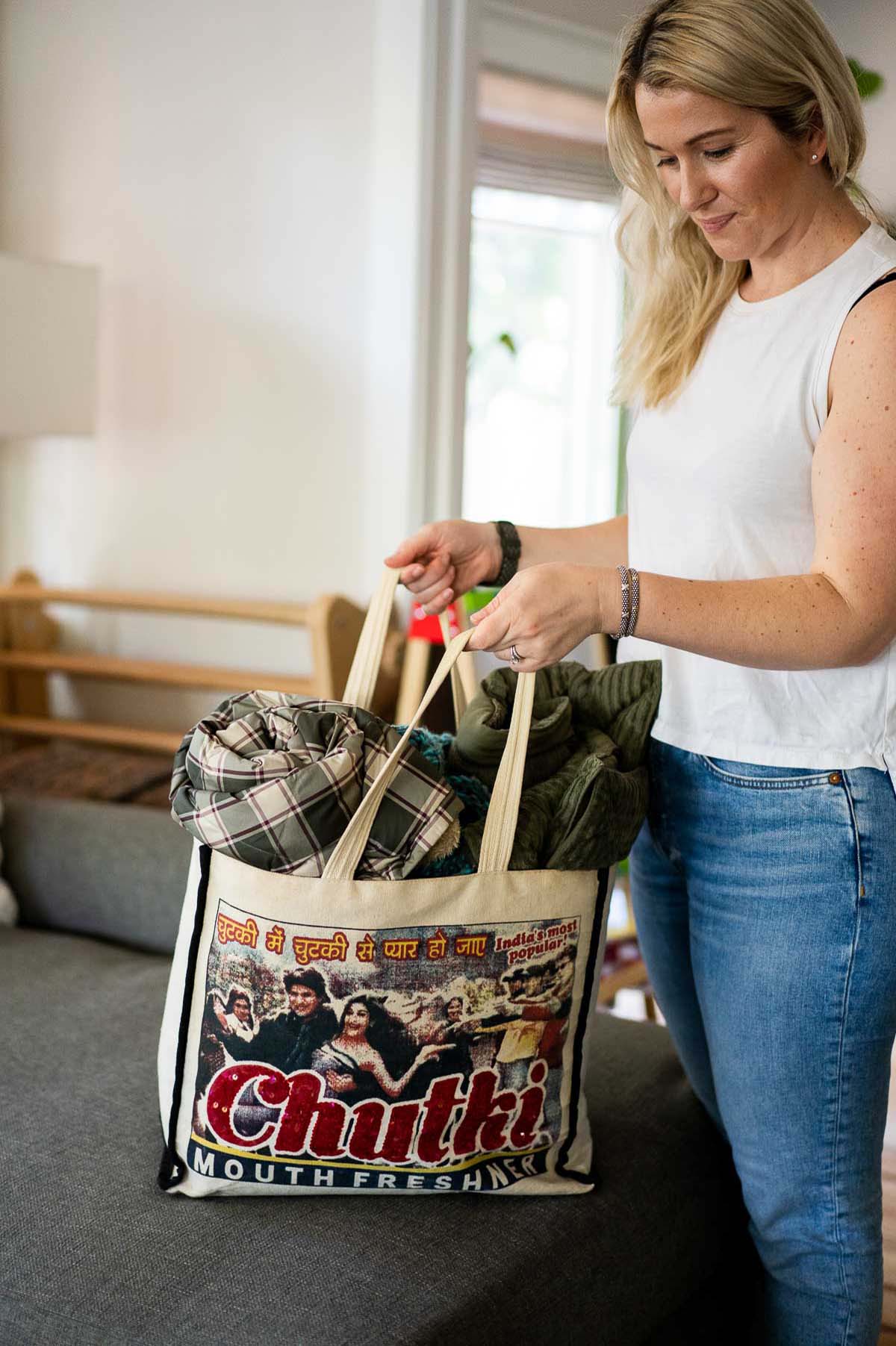
Plastic is cheap, I get it. Once you find reusable items, however, the cost per use will soon go down to be much less expensive in the long run. Canvas shopping bags, baskets, and all those glass/stainless steel/silicone containers I mentioned above are really key to staying safe.
Conclusion
In this great big world, it’s impossible to completely avoid microplastics, but it is very possible to drastically reduce them. First and foremost, stop drinking bottled water regularly. From there, start making changes to your personal care OR your home cleaning products OR your clothes OR your food. Any one of these categories will help you reduce your exposure to microplastics immediately!
Looking for more simple ways to make your home a little more sustainable? I’ve put together a free Sustainable Swaps Guide filled with practical ideas you can start using today—one small change at a time.