
7 Skin Care Ingredients to Avoid
I’m a huge proponent of clean beauty. All the people who turned me onto clean beauty used it because they’d had or knew someone who had cancer or fertility issues (more below). And I just started thinking, we shouldn’t be waiting for the kick in the pants like this to start making changes. The list of skin care ingredients to avoid is in the thousands, but I just want to share some really important ones and share how I cheat – namely only using companies I know are better at this than I am!
In the United States, the number of ingredients prohibited in personal care is less than 20. In Canada, it’s well over 1,200 and in the E.U., it’s closer to 2,000. Personal care products just aren’t regulated here like they should be, but here’s your quick cheat sheet, your brief intro, and here’s the beauty brand doing it all for you, so you can find something else to think about! 😉
Also, I’m only focusing on skincare ingredients to avoid here. There are a few other cosmetic ingredients that you should avoid as well – namely talc, carbon black, and synthetic colorants.
CONTENTS
7 Skin Care Ingredients to Avoid
Ok, so as I mentioned above there are a lot of ingredients that can be potentially harmful to your heath (and to those around you). We don’t need to remember the thousands, so here are the 7 most important skin care ingredients to avoid. I’ve briefly shared what each is used for and what it’s been linked to.
The truth is more and more research has shown links to breat cancer, birth defects, nervous system issues, compromising the immune system, and skin irritation (namely rashes and respiratory issues). Talk about health problems. And if you think about it. What is in the bottle of lotion from 2006 that makes it still smell, feel, and work the same way?? Read your skincare, makeup, and household items ingredient lists like a food label – look at all those ingredients.
When I started learning about clean beauty and nontoxic makeup brands, I was overwhelmed. One category can look so many different ways (science!) and when it’s in the middle of a paragraph list, it’s easy to get overwhelmed. So, use this as a starting point to understand what you should look out for. Use this as a starting point to know that not everything is ‘safe.’
Are Skincare Products Toxic
In short, yes, they can be. Have you heard of formaldehyde? Often found in insulation, pressed wood, and adhesives, formaldehyde has been linked to tumors in the stomach and intestines as well as leukemia (read more about formaldehyde here). And did you know, it still isn’t banned in personal care?
Ok. A little dramatic but, sadly, all true. Here’s the thing, more and more research is being done that links to personal care ingredients to cancers, endocrine disruption (mimicking or interfering with your hormones), and lots of allergies.
What Ingredients to Avoid in Skincare Products
The quick list:
- Mineral Oil/Petroleum Jelly/Petrolatum
- Fragrance/Parfum/Perfume/Aroma
- Parabens
- Phthalates
- Ethoxylated Ingredients
- Chemical SPFs
- Cyclic Silicones
Mineral Oil/Petroleum Jelly/Petrolatum
Made from crude petroleum oil, it’s used as a skin moisturizer. It may contain various amounts of carcinogenic PAHs (Polycyclic Aromatic Hydrocarbons) and other petroleum contaminants, depending on the level to which it has been refined. There is consistent evidence that untreated or mildly-treated mineral oils cause skin cancer in humans.
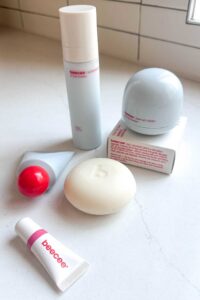
Want something clean? My favorite morning face cream is this one.
Fragrance/Parfum/Perfume/Aroma
These represent an umbrella term, including thousands of undisclosed chemicals that are used to create a scent. They’re considered proprietary for brands, so they aren’t required to list them. The chemicals include endocrine disruptors, carcinogens, developmental toxins, reproductive toxins, etc. These can also include phthalates (see below).
Fragrance ingredients can be found not just in skincare but also in candles, haircare, laundry detergent, and room fresheners. Read more about how to keep your house smelling fresh (without the synthetic fragrances).
Parabens
A family of preservatives used in food, pharmaceuticals, and beauty products. They include Benzylparaben, Butylparaben, Ethylparaben, Isobutylparaben, Isopropylparaben, Methylparaben, and Propylparaben. There is evidence that parabens can accumulate in human breast tissue. Clinical studies on animals have indicated that parabens may mimic estrogen and act as a potential hormone (endocrine) system disruptor. This one, thankfully, is becoming more commonplace to omit from products.
Your personal care products should have “best by” dates. They’ll be small and usually on the back. They look like little open jars with 3M, 6M, 9M, 12M, or 18M usually – indicating the products will be most effective within that length of time FROM OPENING (not from when you start using it).
Phthalates
Phthalates are a scent-enhancing ingredient used to help fragrances stick to skin. A large group of chemicals, including dibutyl phthalate (DBP), diethylhexyl phthalate (DEHP), diethyl phthalate (DEP), dimethyl phthalate (DMP), and butyl benzyl phthalate (BBP). DBP, DEHP, and BBP are banned in the European Union due to their potential to disrupt the endocrine system and cause birth defects.
Also, phthalates is pronounced [FAL (rhymes with gal) • ATES] and no, I will never ask you to spell it because I’m still working on it.
Ethoxylated Ingredients
Ethoxylated ingredients are a compound of ingredients that have gone through a manufacturing process, during which there can be residue and trace contaminants of ethylene oxide and 1,4-dioxane. Both of these are carcinogenic. The latter is a potential neural-toxin.
Unless the raw-ingredients manufacturer or the brand is doing 3rd party testing, these ingredients are likely in most products. Thankfully, due to public push, most manufacturers are starting to ensure these are removed during the process – always good to double check if the brands you’re using have ensured this, however.
Common examples of ethoxylated ingredients are PEGs, polysorbates, sodium laureth sulfates (a.k.a. SLS), and phenoxyethanol. Seeing the “eth” can help you question an ingredient list. (side note: this is probably about the place my eyes start crossing because sodium lauryl sulfate is considered safe and I just don’t want to have the capacity for that kind of dissection. If you want to dig a little deeper, you can read more on what polysorbates are.
Chemical SPFs
These are the most common chemical sunscreens, but there are even more. Chemical sunscreens soak into the skin and convert the UV rays to heat. The heat then evaporates from your skin, but your skin has absorbed the chemicals themselves. Chemical sunscreens have been linked to a series of endocrine disruption and causes a number of skin reactions. It’s been to shown to potentially be even more harmful to children. Examples of chemical sunscreen include: oxybenzone, homosalate, otinoxate, avobenzone, octisalate, and octocrylene.
Cyclic Silicones
Silicones in general are used to fill in fine lines and enhance how a product spreads on the skin. Cyclic silicones are of particular concern because of their molecular structure (Science!) due to their bio-accumulation, meaning they enter our waterways and therefore any water-based foods and accumulate due to how difficult it is for them to break down. These are commonly seen in ingredient lists as cyclopentasiloxane, cyclomethicone (a blend often containing D4, D5, or D6), Cyclotetrasiloxane (D4), Cyclopentasiloxane (D5), and Cyclohexasiloxane (D6).
Have fine lines? Welcome to the club! And get yourself this peptide serum!
What Ingredients to Look for in Skincare Products
Natural Moisturizers/Hydrators
In my post on how to hydrate skin over night, you can read more about natural options for helping to hydrate your skin. These can include jojoba oil, shea butter, aloe vera, squalene oil, hyaluronic acids, and ceramides.
Some of my favorites include this hand cream, this body oil, this essential balm, and these bar soaps.
Essential Oils
Essential Oils are the most common alternatives to fragrances. They should be listed out individually in the ingredient list. There are other safe ingredients used to add scent to products naturally. Just make sure they’re listed.
Physical SPFs
In contrast to chemical sunscreens that seep into your skin, physical sunscreens sit on top of your skin to block the UV rays. Looks for Titanium oxide and zinc oxide.
This is my favorite tinted facial SPF. I love this non-white SPF for on the go (on a walk, at the beach, by the pool).
How to Check Ingredients in Skincare Products
Read the Ingredient Label
It all starts with knowledge and education. If a product doesn’t even disclose an ingredient label, get yourself on high alert and dig a little deeper. If you’ve never even known there was an ingredient list on your skincare, makeup, hand soaps, here’s your first step. Use this checklist to start identifying any issues.
If there’s no ingredient list on your container, the individual product pages online will be your source for the complete list.
Use EWG (or similar)
Beyond these skin care ingredients to avoid, there are many more. And, let’s be real, some of us don’t even want to spend the time reading labels (it’s me – I’m talking about me).
This is where sites and apps like the EWG’s (Environmental Working Group) Skin Deep Database comes in SO handy. Type in the product you’re looking at and it’ll give you a score of the item with each items broken down. If the product isn’t in the database yet, you can do a makeshift score in their ingredient list search.
Find the Right Companies
Ok. This one isn’t about reading the ingredient labels, but it basically removes the need for you to do so. I really don’t want to spend time researching every ingredient in every product that looks good to me. It’s hard enough trying things to make sure they work (efficacy is very important to me). It’s why I basically only use clean skincare products from a few select brands. I trust them to do the hard work and then I don’t have to spend time fretting, researching, and vetting.
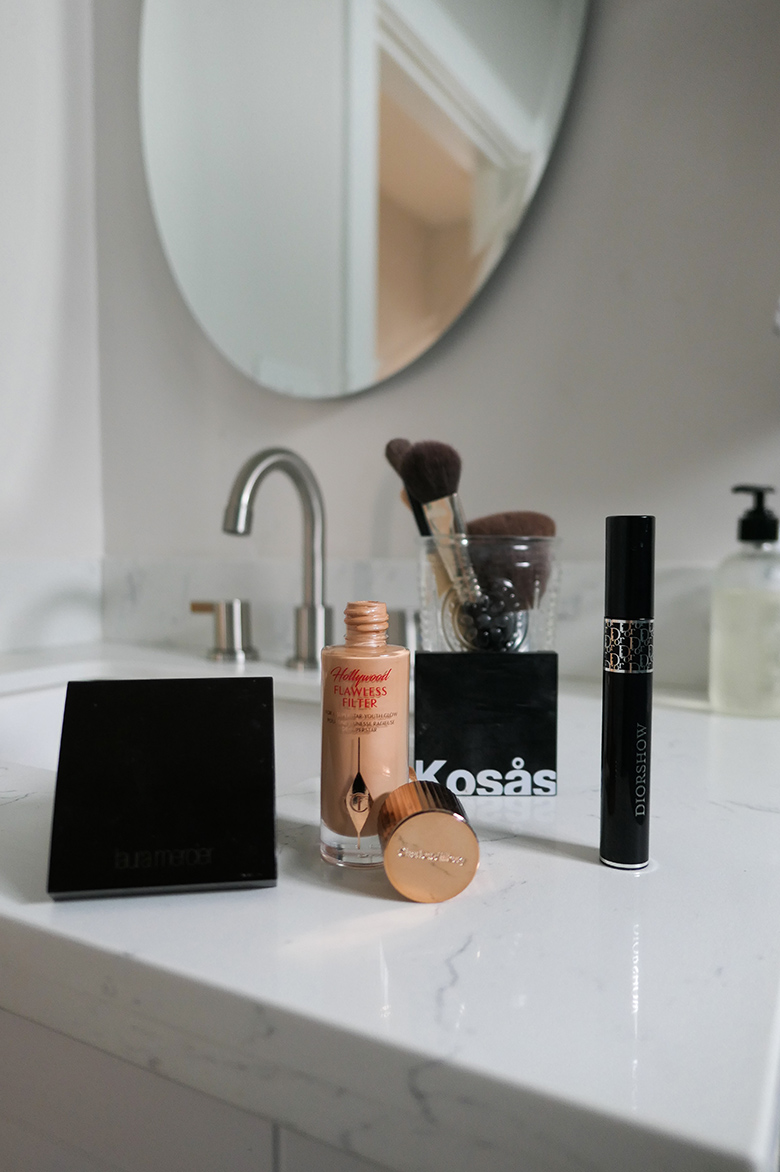
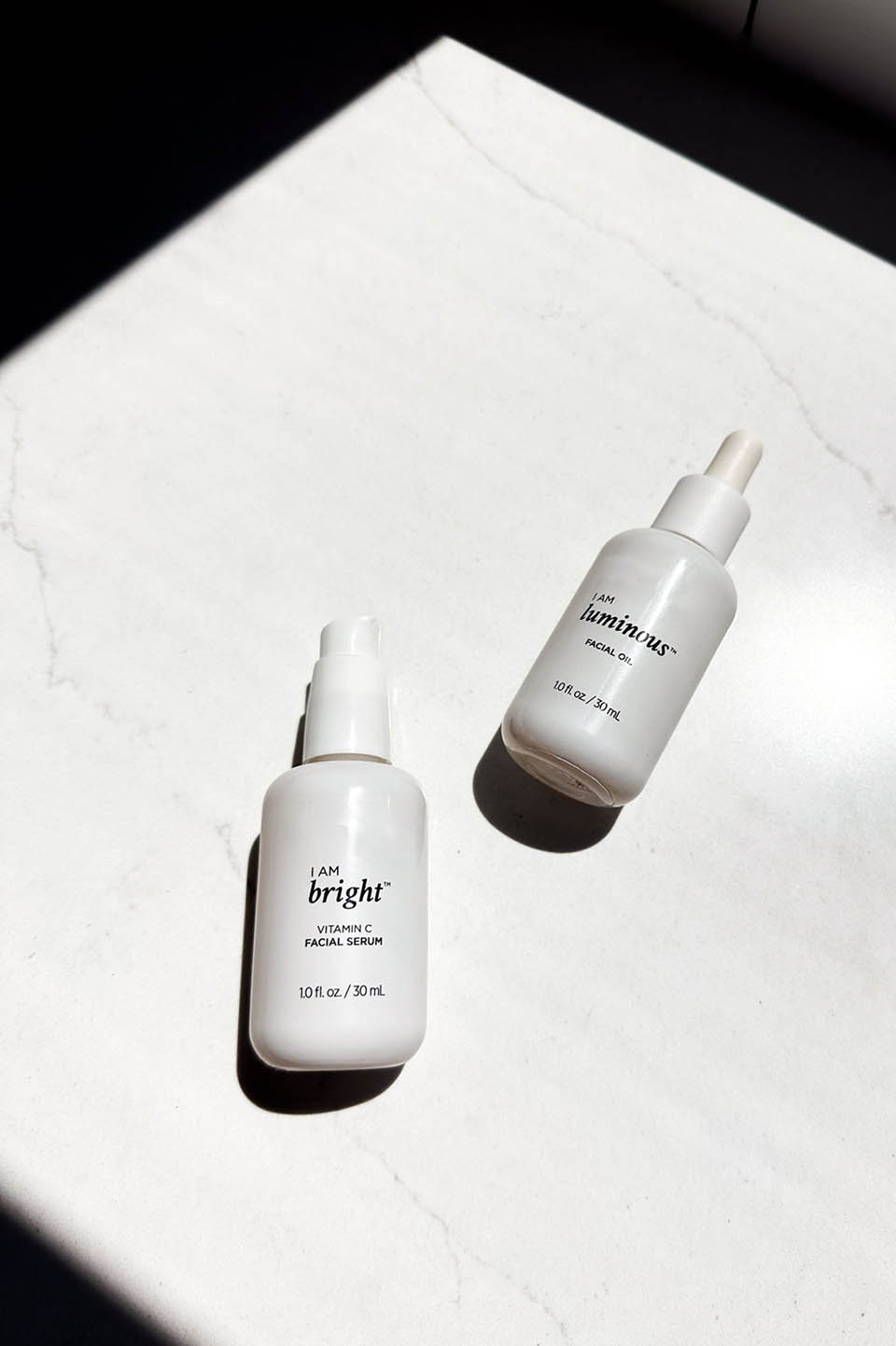
I basically only use this one for my skincare with a few add-ins from here and here. Here’s my pick for the best natural mascara (it’s equal to my DiorShow days) and here’s my minimalist makeup routine.
Since clean beauty is an important part of sustainable living (what we wash down the drain matters as much as what we put on our skin), be sure to check out:
Non Toxic Makeup Brands
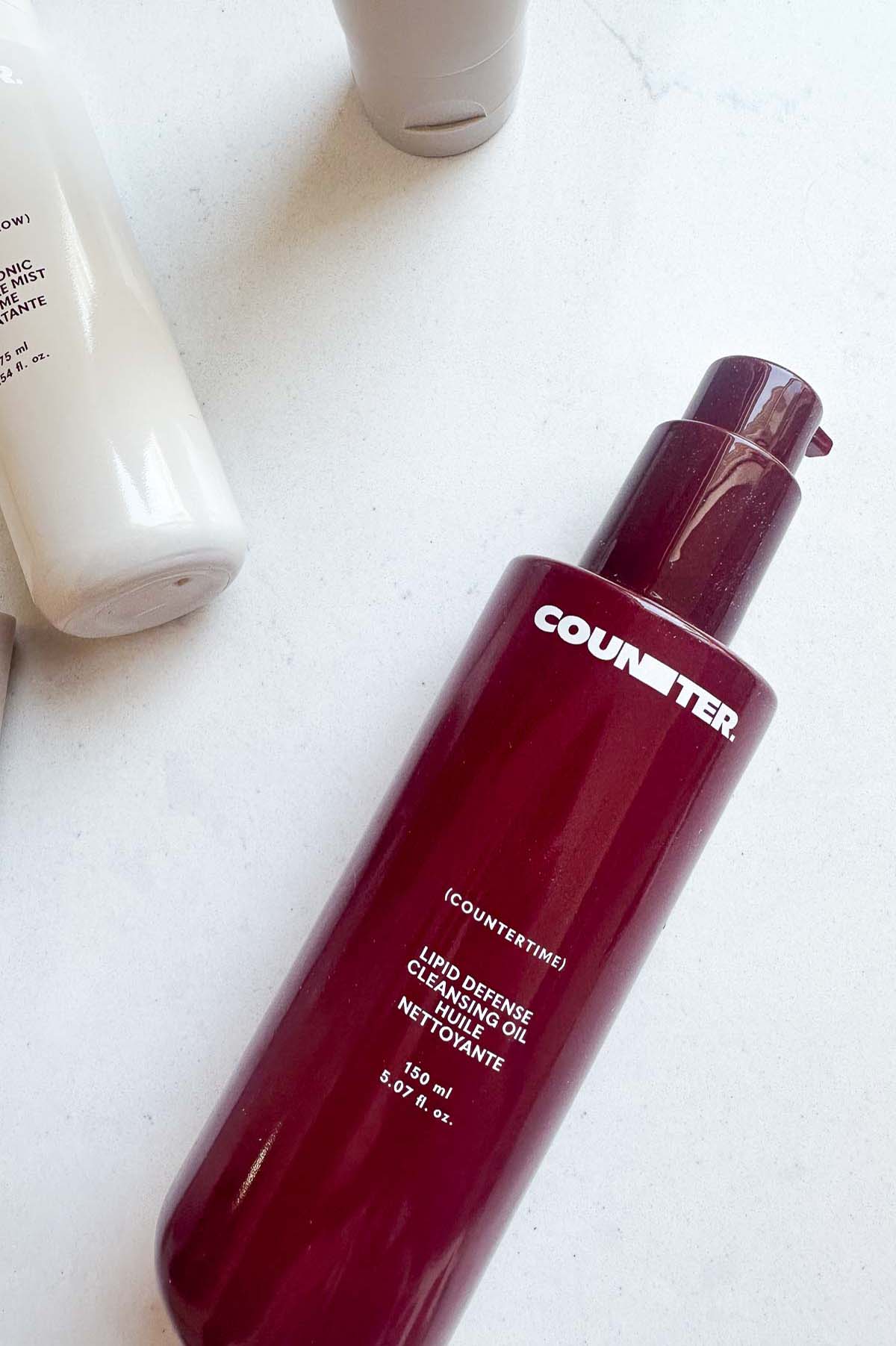
Counter Review (previously Beautycounter)
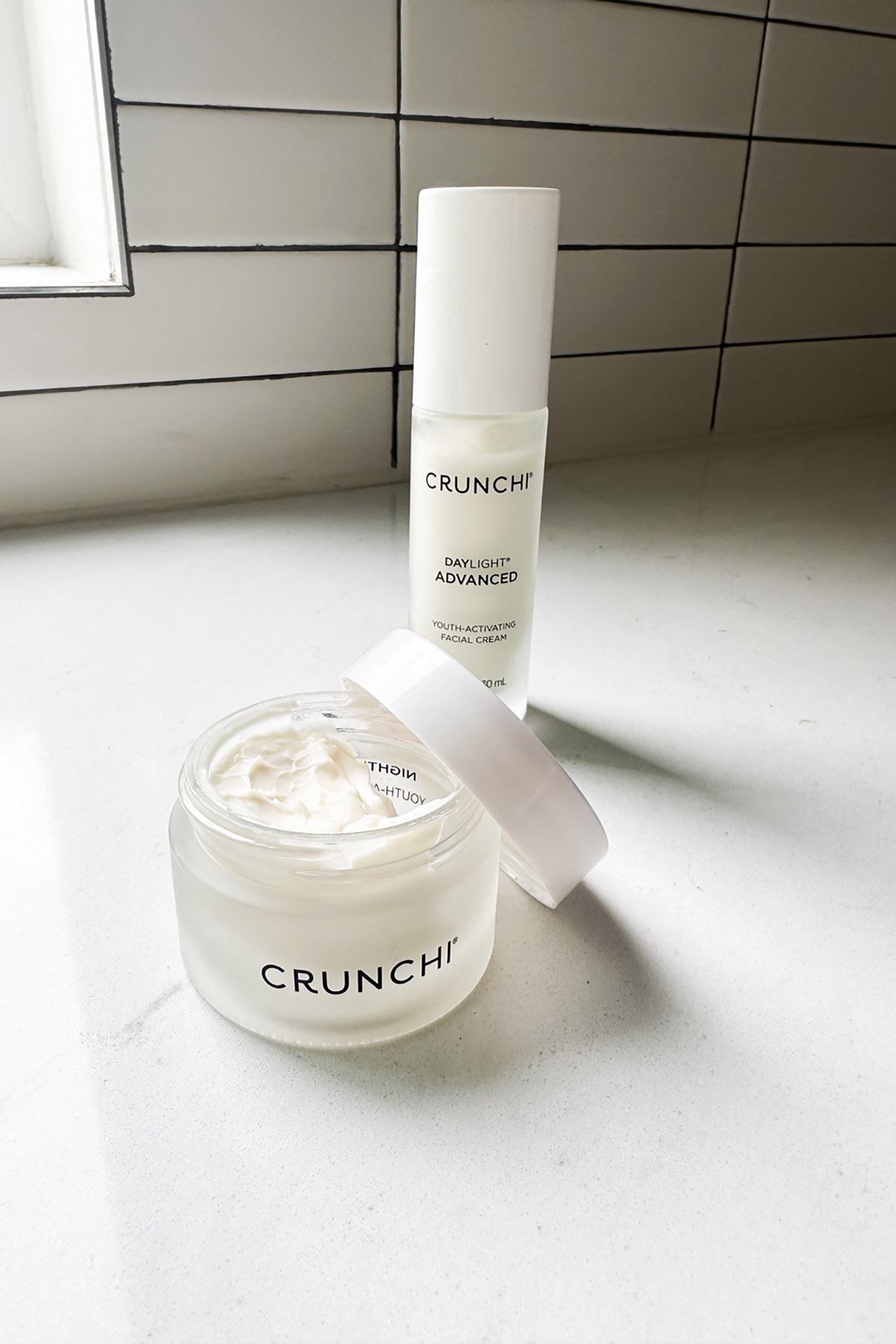
Crunchi Review (skincare)
Crunchi Makeup Review
Clean Beauty at Nordstrom
Clean Beauty at Sephora
Clean Beauty at Walmart
Common items of interest include shampoo bar reviews and how to you use them? What natural deodorant actually works? Are there refillable deodorant options? What’s the best double edge razor blades (the best safety razor and how to use them properly). And the best makeup brush cleaner (on the cheap and easy)!
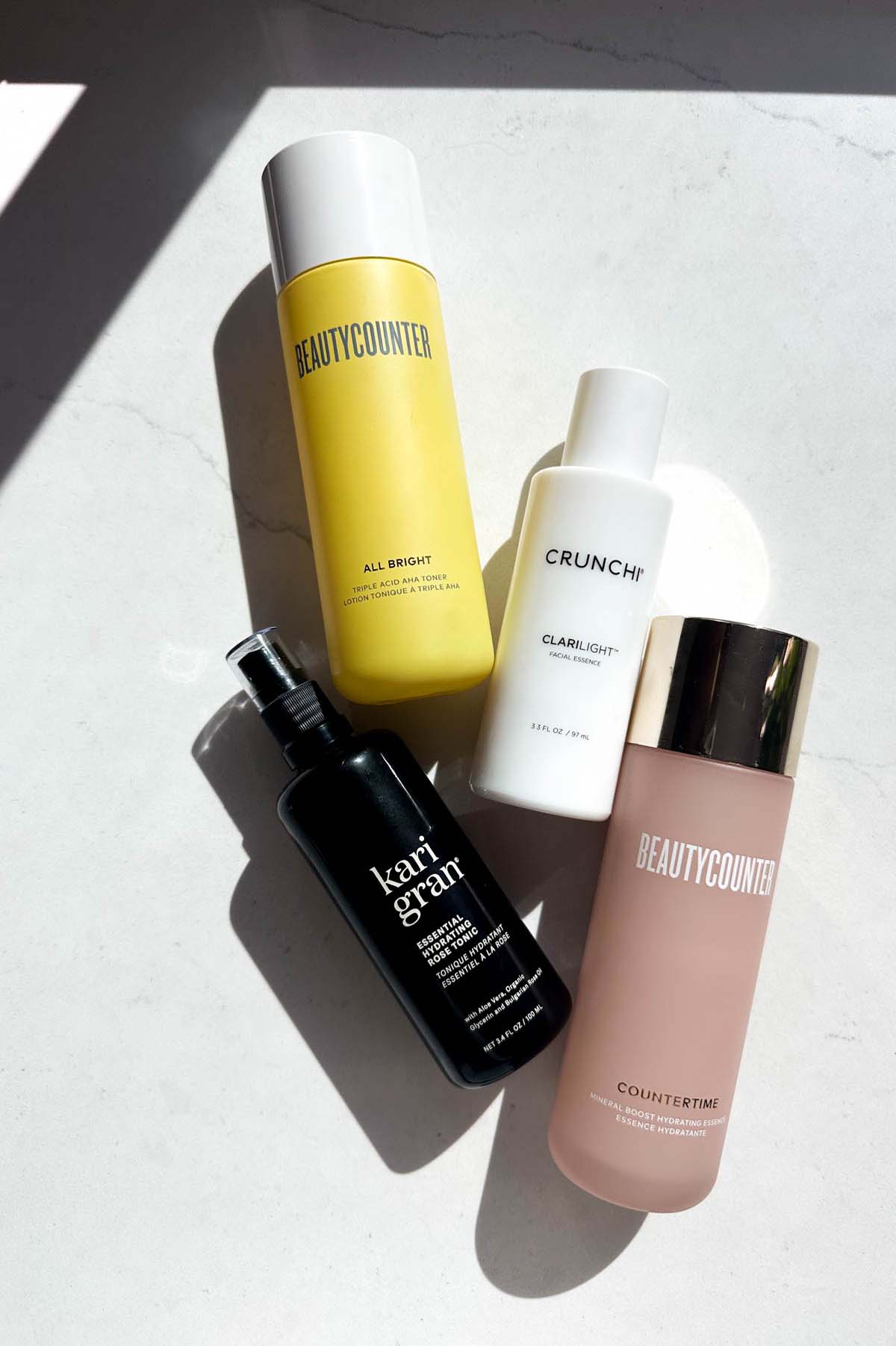
There are also great natural skin care products for men, including hair care! And you’ll want to check out these wonderful natural bar soaps as well as the answer to the ever popular question: what are skin toners for!