

How to Make Homemade Peanut Butter
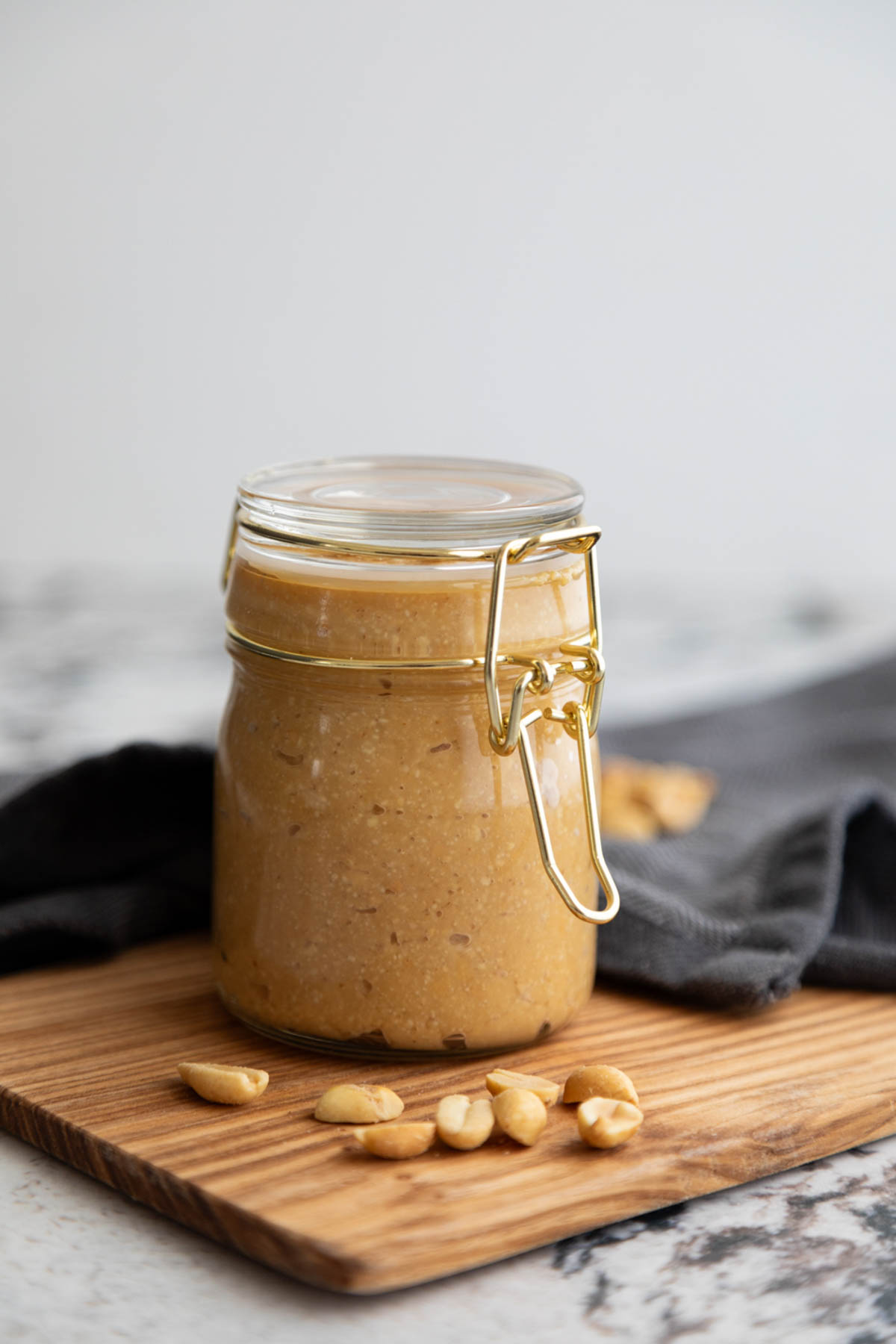
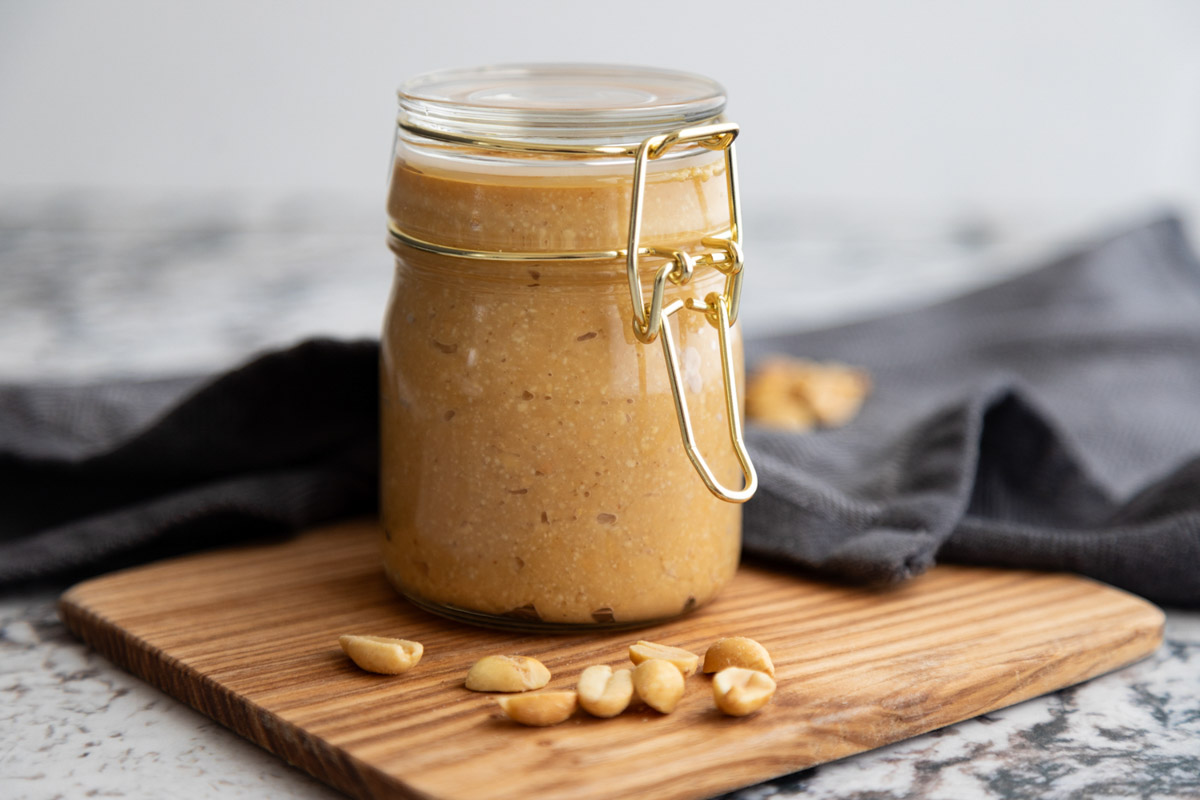
If you’re wondering how to make homemade peanut butter, you’re in the right place. Homemade peanut butter is surprisingly easy to make with just peanuts and salt, and you can customize it to be creamy, chunky, sweet, or savory. I love peanut butter—I eat it almost every day, as do my husband and son. While we usually buy our favorite brand (Laura Scudder’s), I still enjoy making it at home because the flavor is incredible and I have complete control over the ingredients.
I love everything homemade, but one reason that I like homemade peanut butter so much is because we have control over the ingredients. Many store-bought versions are just what you’d expect – peanuts and salt (often marketed as ‘natural peanut butter’). Others contain added oils, sweeteners, and preservatives that you may prefer to avoid. At least one mainstream brand actually uses powdered sugar in their mix. So, per usual, it’s always good to look at the ingredient labels.
CONTENTS
How to Make Homemade Peanut Butter
Homemade peanut butter recipes require very few ingredients – peanuts and salt (if desired). You can see why you’d want to make it at home—it’s simple, and you have complete control over the ingredients.
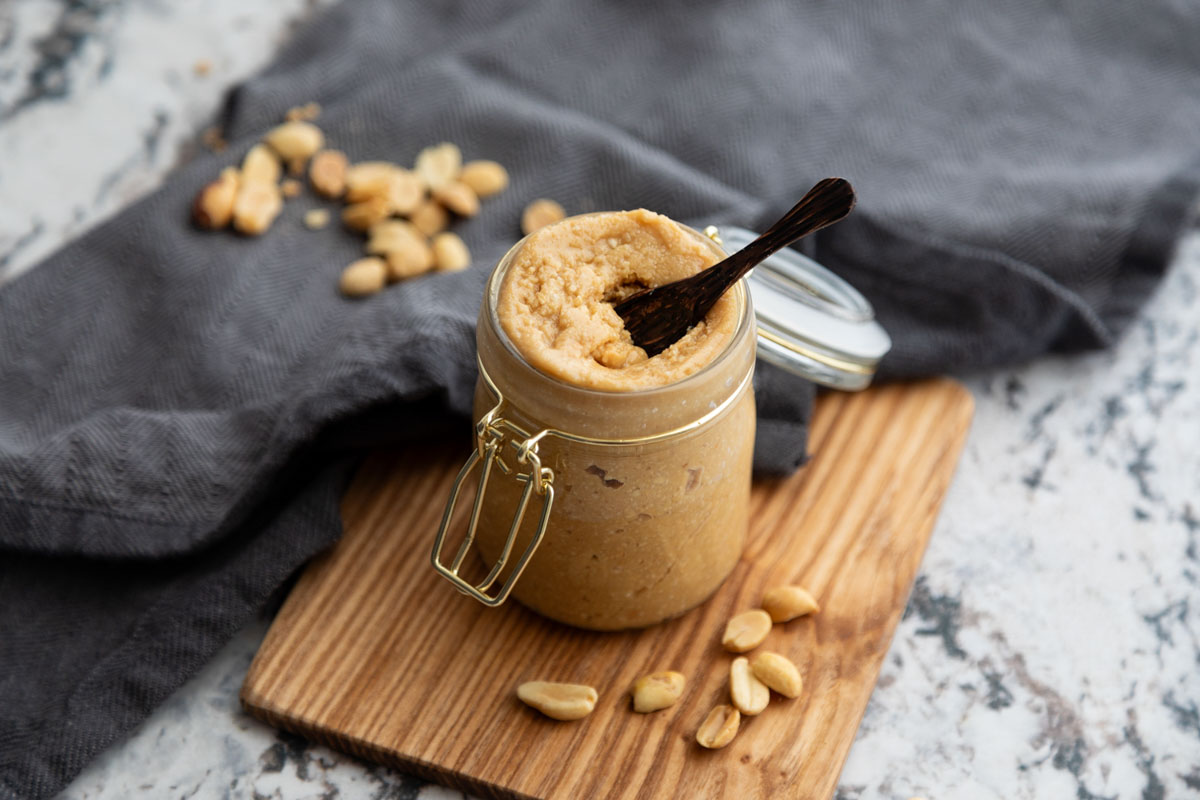
The process is also very quick – basically blending (in a food processor) it all to your desired perfection (creamy, chunky, and everything in between). I also love making homemade peanut butter because we have some differing consistency preferences in our house. Instead of buying multiple jars to appease everyone, I can make one batch and just pull out some at the chunkier stage and the rest at the creamy stage.
You can also get creative with your recipe. Our favorites are honey peanut butter and this mixed nut butter. Once you get the hang of homemade nut butters, it’s easy to experiment with different nuts, flavors, and mix-ins.
We also like to use homemade peanut butter in our ritz cracker sandwiches, in my homemade granola bites, and for yummy homemade road trip snacks!
Is Homemade Peanut Butter Healthier Than Store-Bought?
Homemade peanut butter is healthier than some store-bought products. As I mentioned, some products have added oils, sugars, and salt for flavor and to act as a preservative. These are things I don’t want in our peanut butter – or want control over as in the case of the salt.
Some store-bought peanut butters, however, do just have the nuts and salt as I’d expect. So – it all depends what you’re buying and what you’re trying to avoid!
What Kind Of Peanuts To Use In Homemade Peanut Butter?
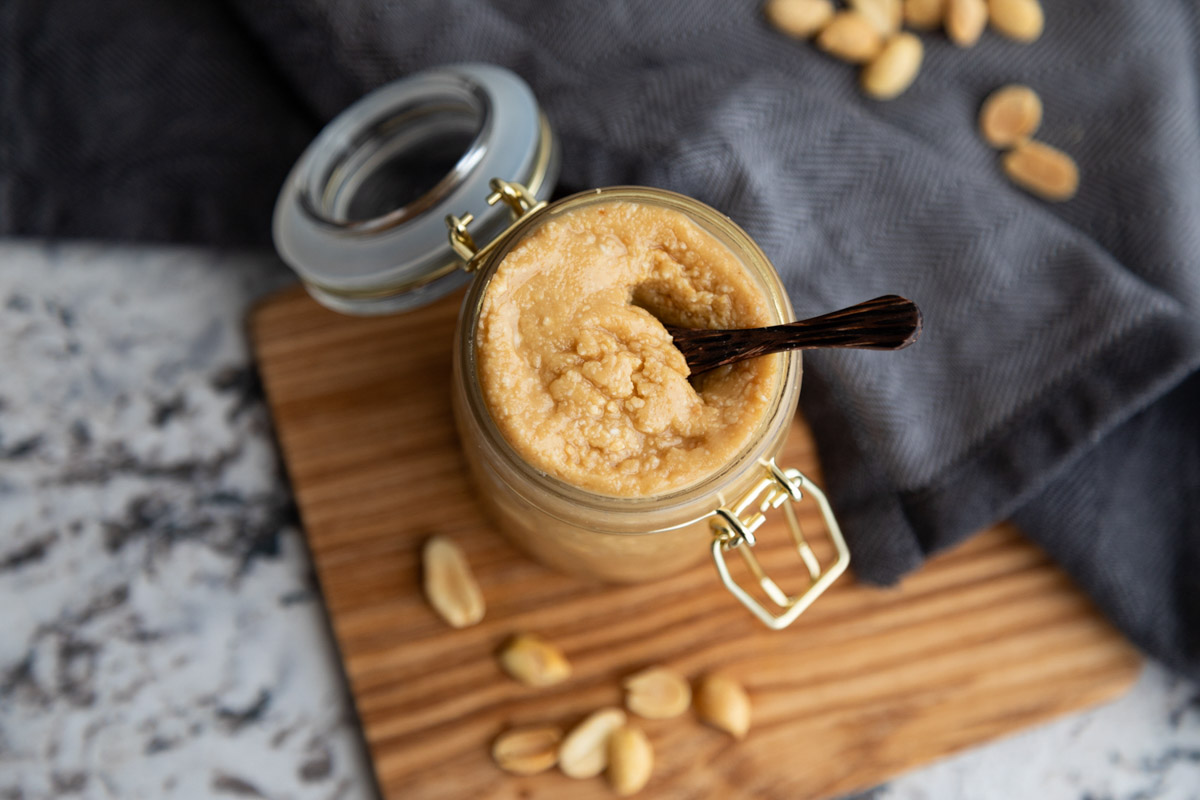
The recipe below calls for dry-roasted peanuts because they’re easy to find and produce the classic peanut butter flavor most people expect. You can use salted or unsalted and then add salt to get your desired flavor. We love salted peanut butter, but whether it’s on the peanuts from the beginning or added in doesn’t bother me.
The fun part of making homemade peanut butter is playing around to find your preferred flavor profile, so you can use different types of peanuts to create different tasting butters.
Raw Peanuts
Raw peanuts have a mild, fresh flavor, but they make a bland peanut butter on their own. If you’re starting with raw peanuts, however, you can roast them first to bring out their natural oils and create that rich, nutty taste.
Dry-Roasted Peanuts
Dry-roasted peanuts are the easiest option for homemade peanut butter. They blend smoothly, have a deep roasted flavor, and don’t add extra oil. These are available in salted and unsalted – so just be sure to note what you’re buying and what you want.
Oil-Roasted Peanuts
Peanuts roasted in oil produce an extra-rich peanut butter, but the added oil can make it slightly heavier and mask some of the peanut flavor. If you use salted, oil-roasted peanuts, you may not need to add any additional salt.
Spanish, Runner, Virginia, and Valencia Peanuts
You may also notice different peanut varieties at the store:
- Runner peanuts are the most common choice for commercial peanut butter because they have a consistent size and classic peanut flavor.
- Virginia peanuts are larger with a slightly sweeter, crunchier texture, making them great for homemade peanut butter with a little more character.
- Spanish peanuts have smaller kernels and a bolder, earthier flavor thanks to their higher oil content. They make especially rich, intensely nutty peanut butter.
- Valencia peanuts are naturally sweeter than other varieties and create a smooth peanut butter with a subtly sweet finish.
How Do You Make Homemade Peanut Butter
Ingredients
- dry, roasted peanuts
- salt (if desired)
Instructions
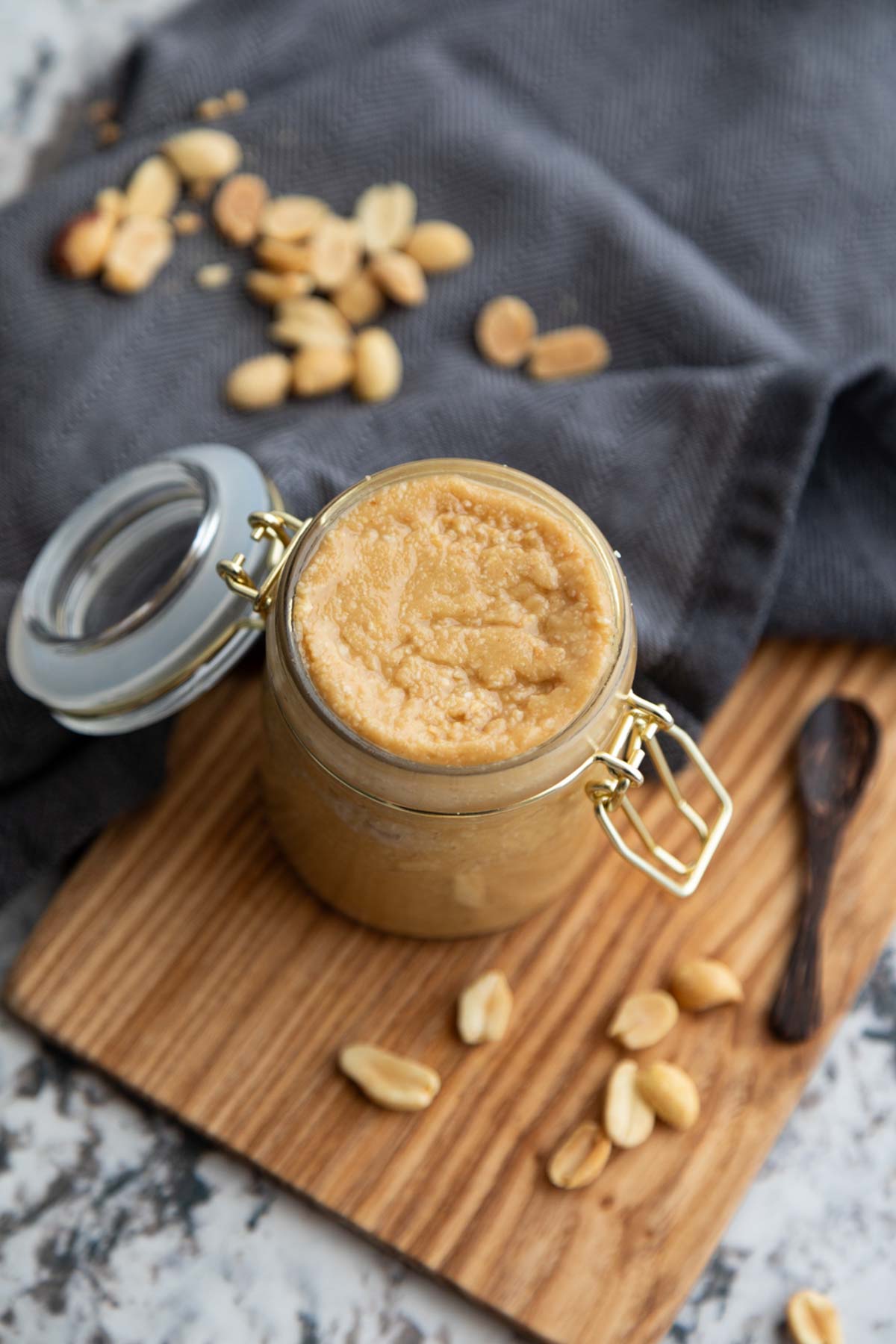
- Add the peanuts to a food processor and blend. The peanuts will go through several stages—from chopped peanuts to a thick paste before finally becoming smooth and creamy. Stop occasionally to scrape down the sides of the bowl.
- Taste the peanut butter. If you want to add salt, start with ¼ teaspoon at a time. Pulse to combine. Repeat until you reach your desired taste and consistency.
- If you don’t want to add salt, pulse to desired consistency.
Tips for the Best Homemade Peanut Butter
- Start with fresh peanuts.
- Let roasted peanuts cool before blending.
- Be patient—the peanut butter gets creamy after several minutes.
- Add salt gradually.
FAQs
How long does homemade peanut butter last?
Homemade peanut butter is best stored in the refrigerator, where it will keep for about a month. If you’ll use it within a week, it can also be kept at room temperature in a cool pantry.
How to store homemade peanut butter?
Peanut butter should be stored in a sealed container. A mason jar with a lid is fine. I love these reusable lids for wide mouth and regular mouth jars.
Does homemade peanut butter need to be refrigerated?
Homemade peanut butter does not need to be refrigerated, but it will last longer if it is. Natural peanut butters often benefit from refrigeration because it slows oil separation. Shelf-stable peanut butters often contain other ingredients to maintain their consistency.
How to make homemade peanut butter more creamy?
Dry roasted and oil roasted peanuts will give you a creamier consistency than raw peanuts. You can also continue blending the peanuts until they’re creamy enough for you.
How to make homemade peanut butter without a food processor?
A small food chopper works just fine for small batches on peanut butter (that’s what we use). A classic blender or stick/immersion blender are other acceptable options.
How to make homemade peanut butter without oil?
This recipe for homemade peanut butter doesn’t call for oil. Peanuts naturally have oil in them, which is released when they’re blended. Your peanut butter should not need any oil.
Homemade peanut butter is one of the easiest pantry staples you can make yourself. Whether you like it extra creamy, a little chunky, salted, or sweetened with honey, it’s easy to customize and comes together in just minutes. Once you try it, don’t be surprised if it becomes a regular part of your kitchen routine.

HOMEMADE PEANUT BUTTER
Ingredients
- 1½ cups dry roasted peanuts salted or unsalted
- salt
Instructions
- Blend peanuts in food processor until just before creamy (or desired consistency). Scrape down sides and mix.
- Taste. If you want to add salt, start with ¼ teaspoon at a time. Pulse to combine. If you don't want to add salt, pulse to desired consistency.
- Can be stored at room temperature for one week or refrigerated for one month.
Made this recipe?
I’d love to hear how it turned out. Leave a comment and rating below.
Instagram: Tag me @lucismorsels Save This Recipe to Pinterest


This worked exactly as written, thanks!