
How to Get Clear Skin
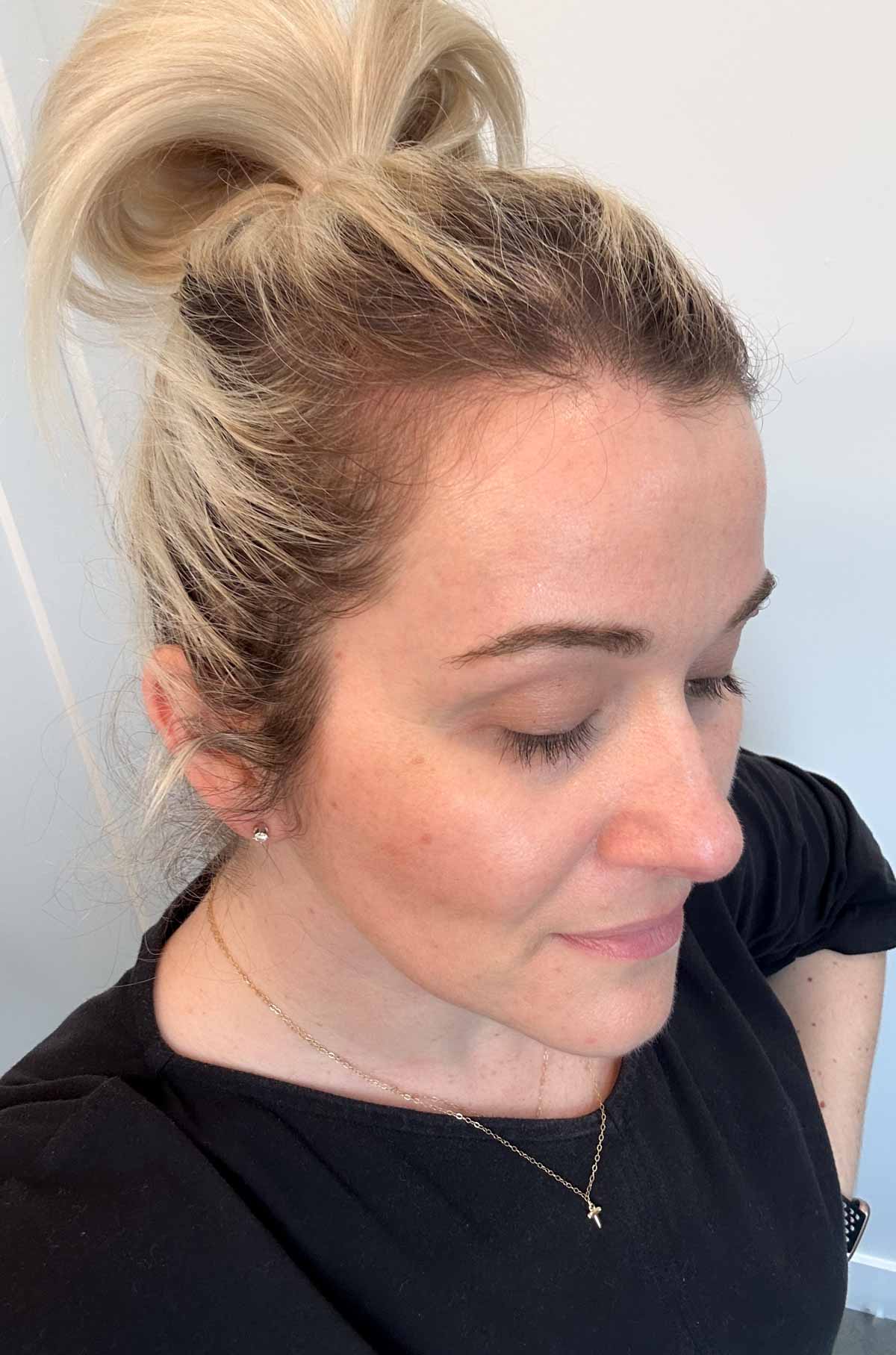
I struggled with adult acne in my 20s and all I wanted was clear skin. I didn’t want to be embarrassed about taking photos (tricky for a blogger). I’m almost 40 and have learned that getting clear skin is about much more than buying the right skincare products. It’s skincare, yes, but it’s so much more than that.
Skin health is a very common concern, but most of us are learning from influencers and not all of our skin needs and priorities are the same. But how are we to know the difference? In this guide, I’ll talk about how you can get clear skin by using the right ingredients and products and how to avoid habits that damage your skin barrier. You can have glowing skin!
CONTENTS
How To Get Clear Skin
If it wasn’t obvious above, obtaining clear skin when you’ve been struggling isn’t a quick fix. I promise it didn’t take a decade, but it does take time. If there is a cause (or causes) of acne or sensitivity, you first need to remove that.
Next you need to build a simple, sustainable routine for your skin and needs. Improvements in clarity, texture, and skin tone will follow naturally.
And then possibly the hardest thing is time. Even if you do everything right, your skin won’t clear up and look picture perfect overnight. Focus on healthy skin before focusing on the image you’re looking to obtain.
What Does Clear Skin Look Like?
Clear skin looks healthy, balanced, and well hydrated. While everyone’s skin type and skin tone are different, healthy skin generally has minimal irritation, an even complexion, and a strong skin barrier. It is rarely completely flawless — in fact, even healthy skin gets the occasional breakout.
- Even complexion without persistent redness or dark spots
- Few to no active breakouts
- Smooth texture with minimal bumps or congestion
- Balanced oil production
- Healthy glow from proper hydration and barrier function
And I think it’s important to note that you feel more confident when your skin is healthy. The saying “feeling good in your skin” isn’t just metaphorical. If your skin looks and feels healthy, you’ll want to show your face to the world. You won’t be trying to avoid photos or trying to cover up your face with a lot of makeup.
And clear skin is the best canvas for great makeup. Makeup should enhance, not cover up.
What’s Keeping Your Skin from Clearing Up?
As I mentioned, there are 2 sides to clearing up your skin – causes of breakouts, blemishes, and redness and then the maintenance of skin health via your skincare routine.
It’s important to note that hormones and stress can play a huge role in your skin. If this seems like something you’re struggling with, this is something to talk to a medical professional about as there are treatments and practices to help.
I will note that I occasionally have breakouts due to hormones, but they don’t bother me enough to want to take a prescription medication again. I did so when I was younger, however, so this is always an option.
Acne isn’t the only issue that affects skin. Conditions like rosacea, eczema, or perioral dermatitis require different care than traditional acne, so persistent skin conditions should always be discussed with your healthcare provider.
Beyond hormonal acne, however, there are many habits that can lead to skin concerns. Here are a few:
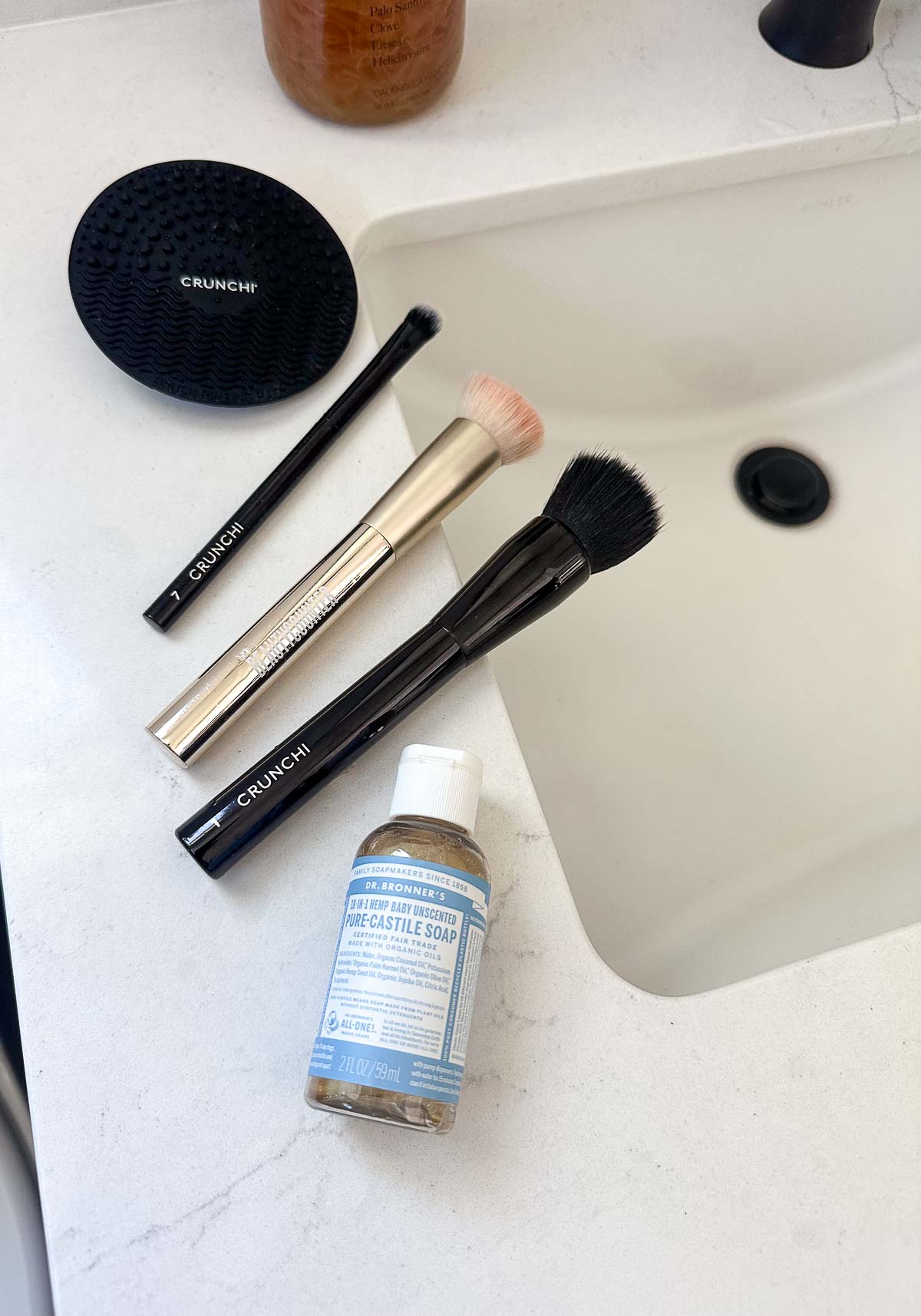
Using Dirty Makeup Brushes
This is a very common issue because how many of us are really all that diligent about cleaning our makeup brushes. Some experts say to wash your brushes after every use. I clean mine about every 3–5 uses and that’s fine for me.
Cleaning your makeup brushes is very easy. See how I clean my makeup brushes!
Touching your Face with Your Hands
This is one we all do and aren’t aware of. Our hands have all kinds of “life” on them as I like to call it. Grime and dirt from life, maybe food, possibly bacteria, and certainly oils from our body. Every time you touch your face, those can all transfer to your skin.
Similarly, if you hold your phone to your face, the same rule applies, so get headphones or be sure to wipe your phone down regularly to prevent transference.
Sleeping on Dirty Pillowcases
If you’re a side or stomach sleeper, then this is certainly something to pay attention to as your skin rests on your pillowcase every night. Your hair products and skin oils can transfer to the pillow case and then to your skin.
Foods Causing Breakouts
So this was my issue for all the years I struggled with acne in my 20s. Surprisingly sugar substitutes like sucrose and aspartame were the cause of my cystic acne. I used Splenda in my coffee and I was an avid sugar-free gum chewer. Only when I became pregnant and took these out of my diet did I discover that it was causing me acne.
More common food sources of acne include dairy, highly processed foods, and foods with a high glycemic index. Everybody’s body is different, so it may take some trial and error to identify your own triggers.
For these, you need to completely omit them from your diet before you can begin to see results from a regular skincare routine.
While some foods may trigger breakouts for certain people, eating plenty of fruits and vegetables provides antioxidants and nutrients that support healthy skin overall.
Not Wearing Sun Protection
The sun is a wonderful thing, but it can do great harm to your skin. Not wearing sunscreen can lead to sun spots, hyperpigmentation, and uneven skin tone. It’s important to wear sunscreen on your face (at least) year round. These are my picks for the best non toxic sunscreen options (face and body) to protect your skin.
Using Products with Questionable Ingredients
The world of ‘clean beauty’ isn’t regulated and it’s hard to think that a makeup or skincare product might actually be causing your skin problems. There are many perfectly legal (and even clean) products out there that contain ingredients your skin is sensitive or allergic to.
EWG does a great job of listing out allergen risks of ingredients, so it’s a good idea to run all your products through their database to see if there are any concerns.
I aim to use only clean and third-party tested skincare and makeup, but I do also want it to be effective. If you’re interested in learning more, I think these are the best clean skincare brands.
Use Products with Proven Skincare Ingredients
Once you’ve built a simple skincare routine, the ingredients in your products matter. You don’t need a cabinet full of serums, but choosing products with ingredients that target your specific skin concerns can make a big difference. The best skincare ingredients depend on your skin type and your specific skin concerns.
If you’re dealing with clogged pores and breakouts, salicylic acid can help keep pores clear. If your skin is easily irritated or you struggle with redness, niacinamide is a great all-around ingredient that helps strengthen the skin barrier and improve the appearance of uneven skin tone.
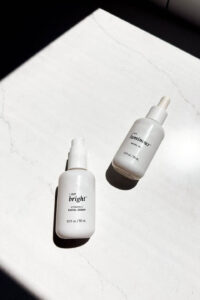
No matter your skin type, keeping your skin hydrated is essential. Many people skip moisturizer because they’re worried it will make oily skin worse, but dehydrated skin often produces even more oil to compensate. Ingredients like hyaluronic acid help attract moisture to the skin, supporting a healthier skin barrier without feeling heavy. This adaptogen facial cream is a great one for all skin types – it adapts to your skin’s needs!
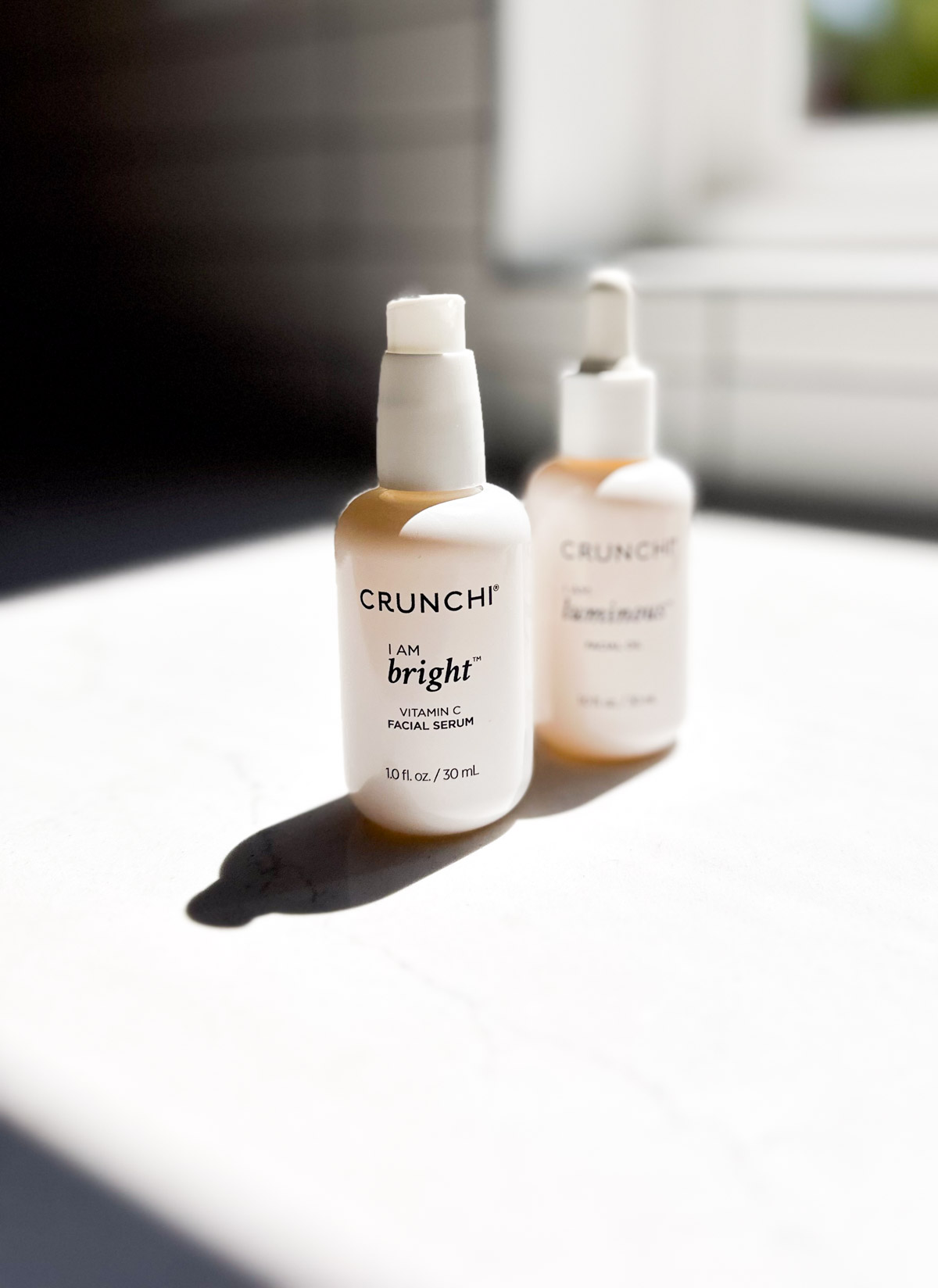
If you’re left with dark spots after breakouts, ingredients like vitamin C or azelaic acid can help brighten the appearance of your skin over time. (If fading discoloration is your main goal, you may also want to read my guide to the best skin brightening products.)
Remember that even the best skincare ingredients take time to work. Introduce one new product at a time, use it consistently, and give your skin time to adjust and heal before deciding whether it’s working.
How to Build a Clear Skin Routine
Now that we’ve covered what can contribute to breakouts and irritation, let’s look at the everyday habits and products to use as part of your healthy lifestyle.
Have a Consistent Skincare Routine
Having the right skincare doesn’t matter if you aren’t using it regularly. I’m not saying you need a complex routine, but you need a routine of at least a cleanser and a moisturizer.
Even if your skin is oily, don’t skip moisturizer. Keeping your skin hydrated helps support a healthy skin barrier and can actually reduce excess oil production over time.
Adding in essences/toners, serums, and masks is wonderful, but those should come after you establish a consistent routine. And those should be used regularly and consistently to see the benefits.
Cleanse properly and consistently
Washing your face sounds simple and it isn’t truthfully complicated, but many of us are just doing a quick rinse/wash and calling it good – when it isn’t good enough. When cleansing, be sure to get the cleanser all over your face – to your hairline, under your chin, and over your eyes. You really want to get it all off.
If you wear makeup or sunscreen (remember you should), then I’d highly recommend double cleansing. Double cleansing using an oil-based cleanser first to remove product, buildup, and natural oils. Then a water-based cleanser is used to really clean your skin and pores. This can be something you do a few times per week or you can do it every night. Learn more about how to double cleanse.
Wash Your Face Every Night
This sounds repetitive, but I’ve learned that most people are good with washing their face every morning, but they often skip the nighttime wash. If you’re only going to wash your face once per day, it should be at night.
That’s when you want to cleanse off all the product and buildup from the day to help your skin naturally repair itself while you sleep. And if you go to bed with a ‘dirty’ face, all of that will transfer to your pillow and then back to your face. So wash your face every night!
Pro Tip: I wash my face 1–2 hours before I go to bed (usually just after our son goes to bed). I’m not as exhausted, so I can get my skincare done then and just brush my teeth before bed.
Avoid Over-Exfoliating
I am a huge fan of exfoliating masks, but it’s important not to over-exfoliate your skin too much. Exfoliating products (chemical and physical exfoliants) are used to encourage the natural skin cell turnover rate and to remove any dead skin. If you use too many exfoliating products, however, you’ll actually expose sensitive skin to the elements and to the products you’re using.
When you start exfoliating start with 1-2x per week. Even when your skin is very healthy, exfoliate no more than 3x per week.
Pro Tip: In the winter, my skin is much drier and sensitive, so I can only exfoliate once per week (and some weeks not at all). In summer, my skin is much more resilient, so I can safely exfoliate up to 3x per week. Listen to your skin – it isn’t always saying the same thing.
Avoid picking at or touching your face
And the age-old tip of not picking or touching your face. I know it’s tempting. A blemish you could just squeeze into oblivion. Even soft skin wants to be touched, doesn’t it. But all of that leads to more problems. The oils from your hand can transfer to your face. Or your zit-getting wasn’t perfect, so it’s still there or, heaven forbid, it doubles!
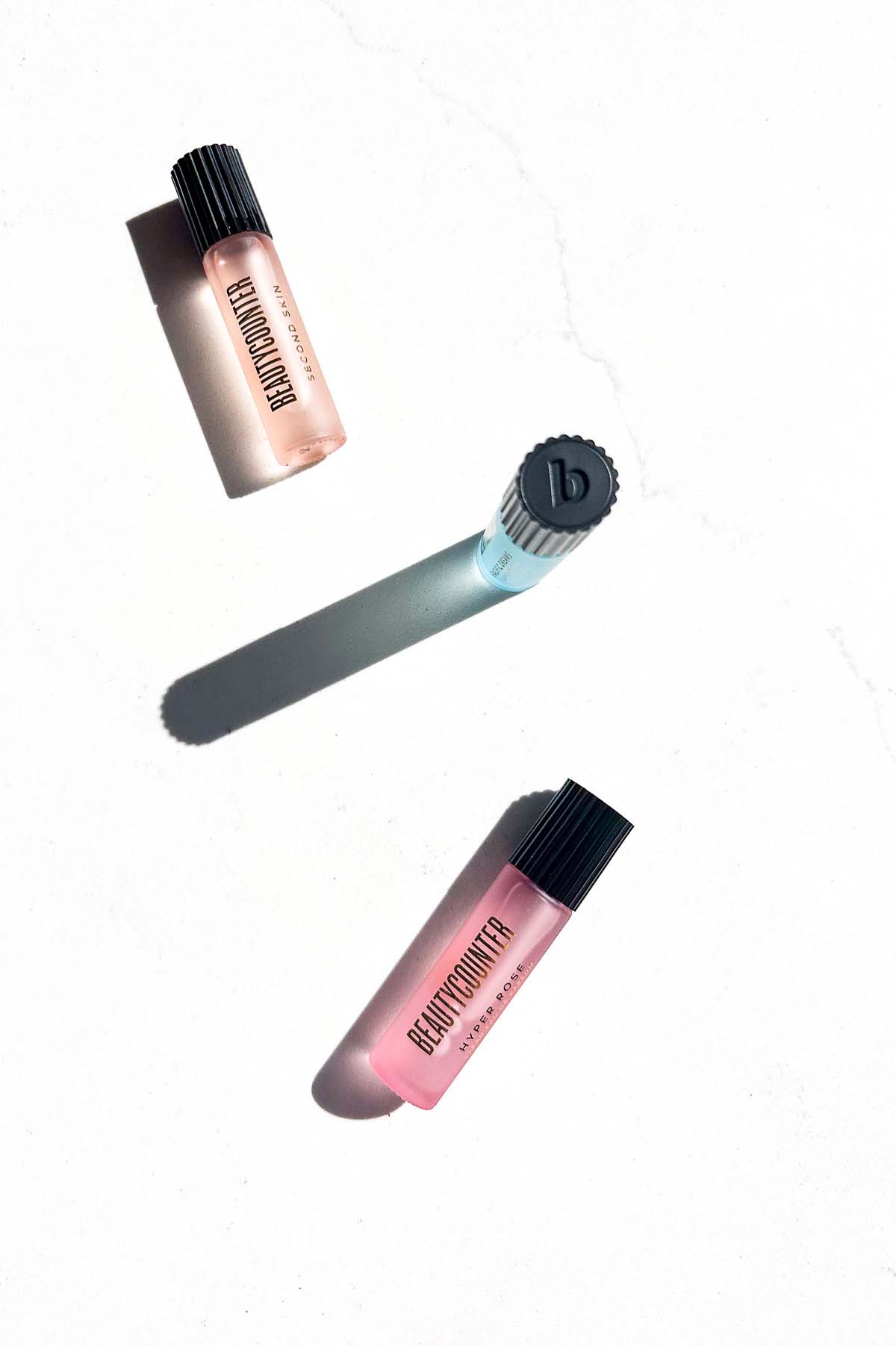
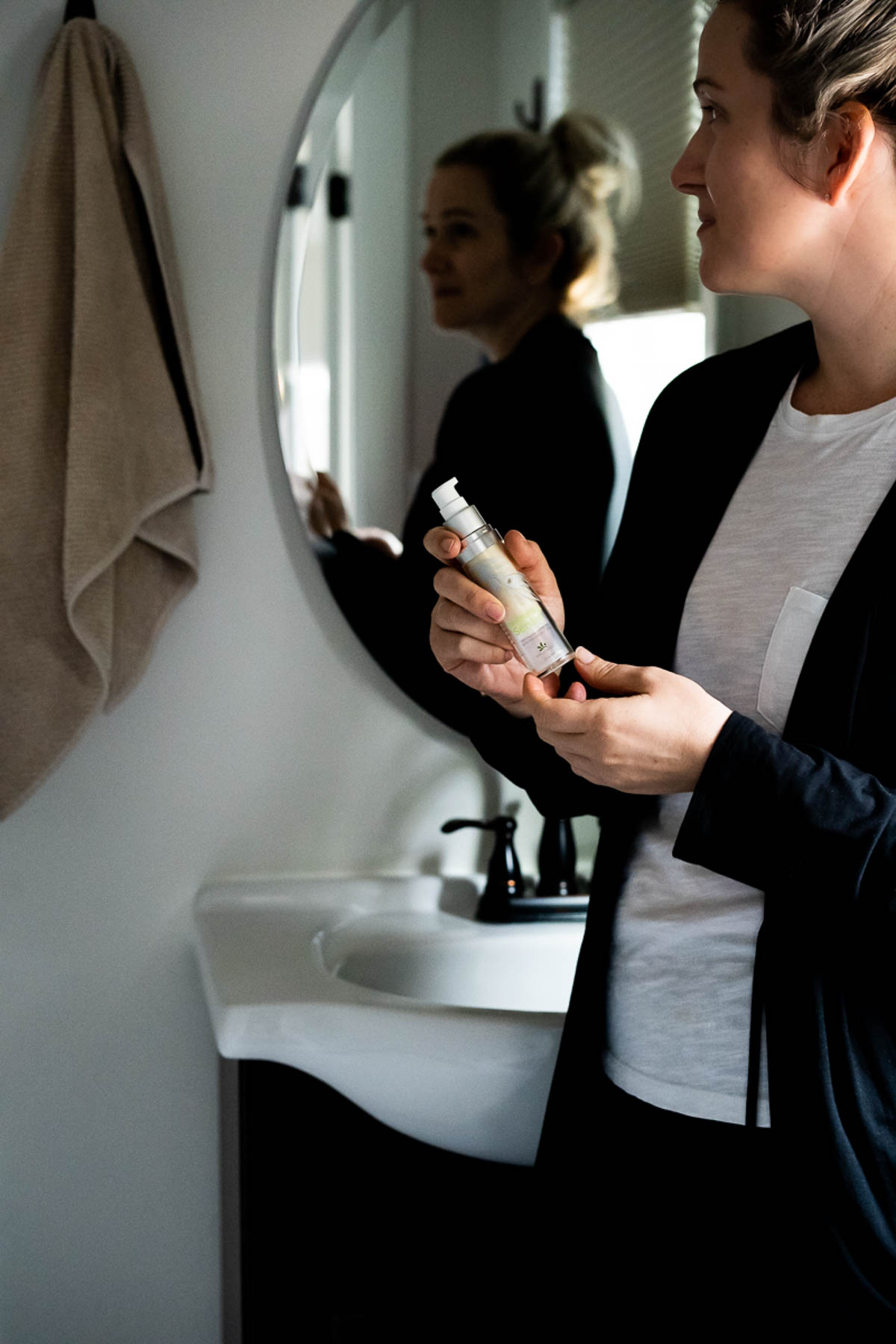
When I have blemishes – even before they have a head, I rub this blemish oil on them. It uses essential oils to help support your skin’s natural turnover process and often satisfies my desire to ‘get it.’ It doesn’t make the blemish disappear over night, but it does speed up the process and I often skip the whitehead phase of blemishes with it.
Wear SPF Everyday
You absolutely have to wear SPF if you’re going to be outside. Even if it isn’t much and you want a bit of color, sunscreen is more than just protecting your skin from skin cancers down the road. Sunscreen helps prevent discoloration and UV rays slow the healing of acne marks and can make discoloration last much longer.
Double Check Your Products
When talking to people about their routines, it’s easy to see that they have holes in their routine and/or that they’re using products that are working against one another.
Products designed for acne-prone or oily skin are often very drying. Dry skin causes your skin to overproduce sebum because it’s trying to help. And extra sebum leads to more breakouts.
If you’re unsure if your routine is just right, I’m happy to talk about it. I love helping people find the right skincare routine. Comment below or click here to email me with what you’re currently using.
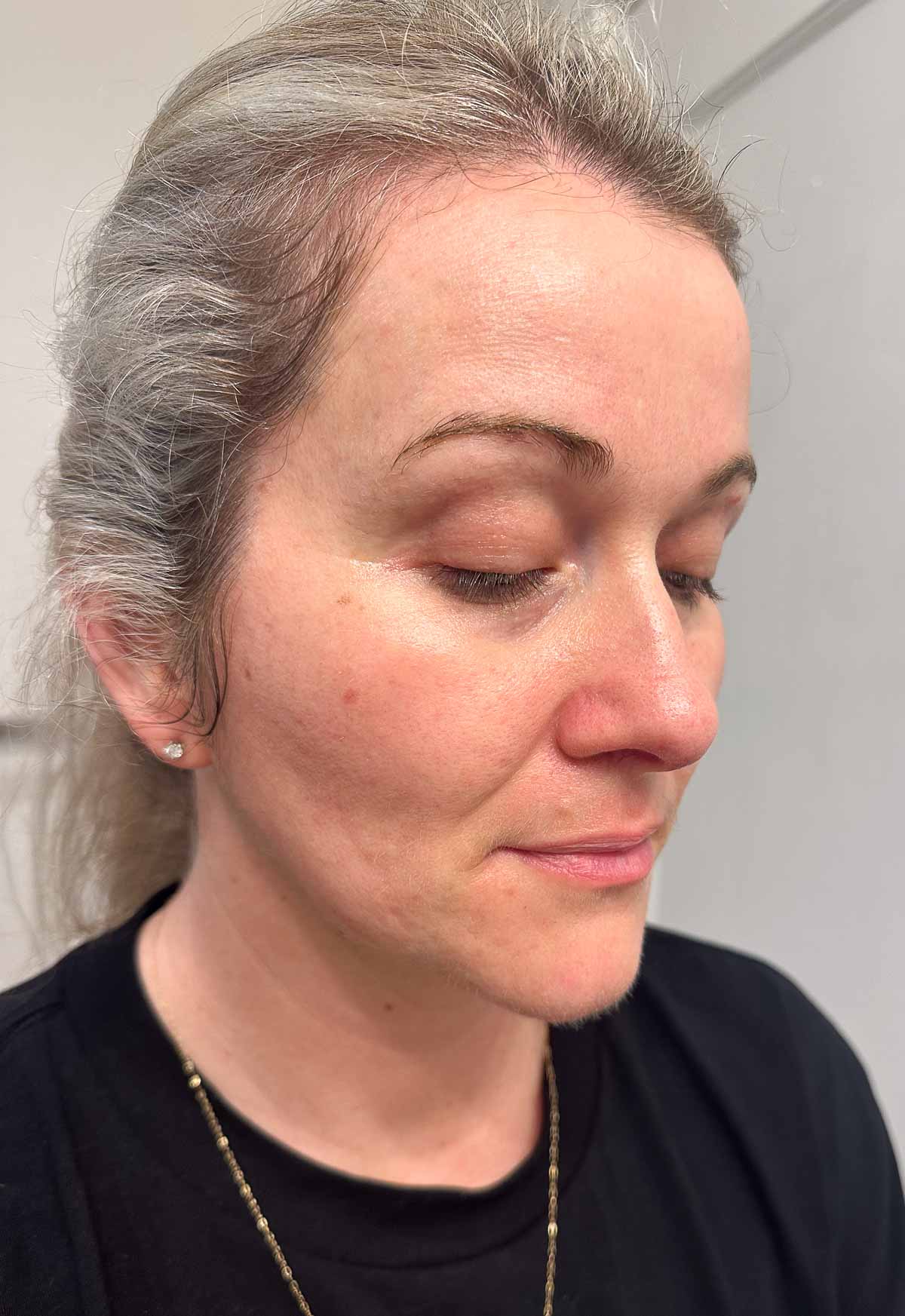
Getting clear skin isn’t about finding one miracle product—it’s about understanding your skin and building habits you can stick with. Once you identify what’s causing your breakouts and create a routine that supports your skin barrier, you’ll likely begin to notice healthier, more balanced skin over time.
Remember that progress doesn’t happen overnight. Give your skin time, stay consistent, and don’t be afraid to adjust your routine as your skin changes with the seasons, your hormones, or your stage of life. Healthy skin is a journey, and every small step counts.