
What to Keep In Your Car


I’ve been on a major decluttering kick this year and I’ve realized there are some spaces beyond my home that I need to tackle – namely our cars! When it comes to what to keep in your car – in many ways, less is more. Whether you drive a little or a lot, your car should offer a space of zen. Think of it as a home away from home. We just need the necessities.
If we’re being honest, my proof of insurance, a tire gauge, and my chapstick are my gut-reaction necessities, but let’s be real – there are a number of other items you should have on hand because things can happen when you’re out driving around.
Our cars often serve as more than just a mode of transportation. They’re where we listen to great music, make memories with conversation, and – at least for me – where you can start to let the world simmer down in my busy mind.
It’s also a place where inconvenient and unexpected things can happen. If you’re unprepared, these can turn into very stressful problems very fast. So here is a list of the items you should keep in your car for safety, comfort, and peace of mind. Yes, my chapstick checks all these boxes! 😉
Need a little direction with your decluttering? Grab my free Decluttering Checklist for a simple, practical way to work through the things you no longer need—without tackling your entire house at once.
CONTENTS
Things to Keep in Your Car
What to keep in your car is mostly about preparing for real-world situations that can happen without warning but not throwing items in for highly unlikely scenarios. Essentially, you need some basic emergency safety equipment, basic repair tools, seasonal essentials, everyday comfort items, and a few important documents. Some of these items have crossover too – a blanket, for example can be seasonal, comforting, and good in an emergency.
It’s also important to keep an eye on these items – keeping them organized and updating them regularly as needed. You don’t need emergencies for snow travel if it’s summer. I admit that this is not something I’m great at, which probably means I should set a reminder on my phone or in my calendar!
The type of driving you do dictates a variety of items you should or shouldn’t have in your car. If you’re primarily driving around town, then you don’t need much in the way of roadside necessities. If you’re consistently driving long distance, you do. Warmer climates have different needs than colder climates.
When I lived in LA, let me tell you that I never ever needed an ice scraper. For many areas in this country, however, there are times when an ice scraper is handy and other places where it’s impossible to live without! So be mindful of your driving realities.
Finally, road trips or extended time on the open highway is a fine time to add in a few more emergency items. Your everyday car essentials, however, should not be as extensive.
If you have kids, your car essentials will look a little different. Diapers, wipes, snacks, extra clothes, activities, and other kid-specific supplies can absolutely earn a spot in your car. I’m leaving those off this list because this guide is focused on the basics that are useful for most drivers, regardless of whether you have kids.
Before we get into where everything should live, let’s start with the basics. These are the everyday car essentials I think are worth keeping on hand. From there, I’ll break down where I recommend storing them—because some things are better within easy reach, while others can live in the trunk until you need them.
What to Keep in your Car for Emergencies?
You don’t need to turn your trunk into an emergency supply closet. A few simple items can make a big difference if you’re dealing with a dead battery, an unexpected delay, a minor injury, or extreme temperatures. These are the basics I’d recommend keeping in your car year-round—you may want to add or rotate a few items based on where you live and how often you drive.
Flashlight
A small flashlight is useful anytime you need to see under the hood, find something that rolled under a seat, or deal with car trouble after dark. Keep it somewhere within easy reach, like the center console, rather than buried under everything in the trunk. Even smaller flashlights like this are really all you need.
Water
Keep a bottle or two of drinking water in your car for unexpected delays, especially during warmer months. If you regularly leave water in your car, rotate it out periodically rather than letting it sit indefinitely.
Blanket
A compact blanket takes up very little space and can provide warmth if you’re stuck waiting for help—or simply end up somewhere colder than expected. An old fleece blanket works just as well as anything marketed specifically for emergencies.
Phone charging cable + car adapter/power bank
A charging cable that works with your phone can be a lifesaver when your battery is running low and you need directions or a way to call for help. If your car doesn’t have a USB port, keep a small car adapter with it, too. You can also use this if you’re near a business or home where you can use a wall plug.
First aid kit (basics of bandaids and ointment)
You don’t need a full medical kit for everyday driving. A small kit with bandages, antiseptic or antibiotic ointment, gauze, and a few basic supplies is enough to handle most minor cuts and scrapes until you can get proper care.
Sunshade
A windshield sunshade isn’t just for keeping your car cooler when it’s parked. It can help protect the interior from heat and sun exposure and make a noticeable difference on hot days. If you’re stuck anywhere, this can help block out the sun and help with heat in the car.
What Tools Should You Keep in Your Car?
You don’t need a giant toolbox taking up half your trunk, but a few basic tools can help you handle common car problems—or at least make things easier while you wait for roadside assistance. These are the basic items I’d keep on hand, with a few seasonal additions depending on where you live.
Tire Gauge
A tire gauge is small, inexpensive, and worth keeping in your glove compartment. Checking your tire pressure regularly can help you catch a slow leak or under-inflated tire before it becomes a bigger problem. I have had this digital tire gauge for well over a decade!
Tire-Change Essentials
Even if you don’t plan to change a tire yourself, it’s smart to make sure your car has the basics: a spare tire (or temporary spare), jack, and lug wrench. You may need them—or someone helping you may—and they won’t do much good if you discover they’re missing on the side of the road.
Jumper Cables
A dead car battery is one of those problems that can happen without much warning. Jumper cables take up relatively little space and can help you get back on the road with assistance from another vehicle. If you drive a newer car or an EV, check your owner’s manual for the appropriate way to jump or provide a boost.
Ice Scraper
If you live somewhere that gets freezing temperatures, keep an ice scraper in your car during the colder months. A scraper with a brush on the other end is especially handy for clearing snow from windows before you drive.
Tire Chains
Tire chains aren’t necessary for every driver, but they can be essential in areas where snow and ice are common or where they’re required on certain roads. Keep them in your car during the appropriate season, and make sure you know how to install them before you actually need them.
Multi-Use Tool
A small multi-use tool can come in handy for simple tasks when you’re away from home. Look for one with basics like pliers, screwdrivers, and a few other practical tools rather than carrying a full toolbox.
What Documents Should You Keep in Your Car?
You don’t need to keep every important document in your car—especially anything with sensitive personal information. Think of this section as the documents you should have access to while driving, whether that’s a physical copy in your car or a digital copy on your phone.
I keep my driver’s license and proof of insurance in my wallet rather than leaving them in the car. But having a few key records available can be helpful when you’re dealing with car trouble, an accident, or routine maintenance.
PRO TIP: If you do have photos of these documents on your phone, I’d create a “car” folder or favorite them so you aren’t having to search frantically for them.
Copy of Your Insurance Information
Keep a paper copy of your current auto insurance information in the car so you can easily access it after an accident or if you’re pulled over. You can also keep a digital copy on your phone via an insurance app (if offered) or a photo saved to your phone.
Vehicle Registration
Your vehicle registration is another document you’ll want to be able to access when you’re driving. Check your state’s requirements for whether you need to carry the physical registration in your vehicle.
Latest Maintenance Receipt
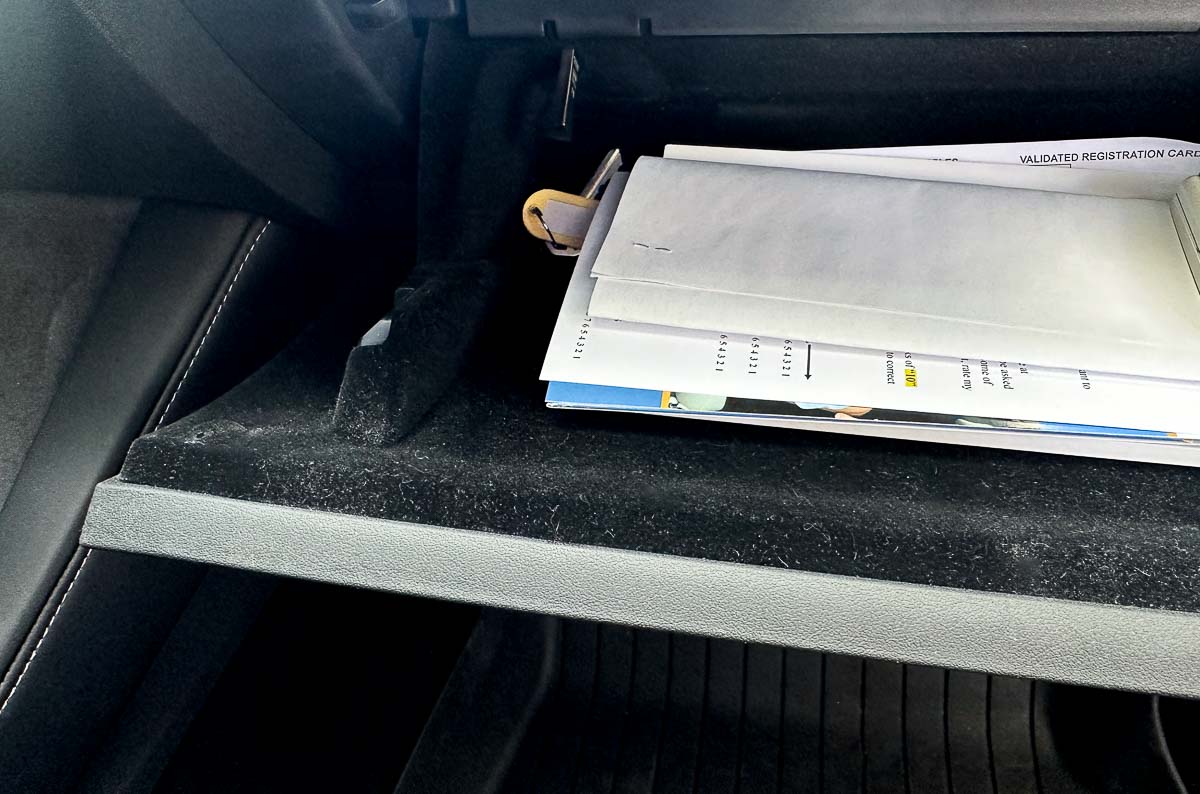
Keeping your most recent oil change, tire service, or other maintenance receipt in the glove compartment can be surprisingly helpful. It gives you a quick reference for what was recently done and can help a mechanic understand your car’s recent service history.
Emergency Contact Information
A small card with an emergency contact’s name and phone number can be useful if you’re ever in a serious accident or unable to access your phone. Keep it simple—just the information someone would need to know who to contact in an emergency, without including unnecessary personal details.
Photos of Important Documents
If you don’t keep physical copies of everything in your car, take photos of the documents you may need. Photos of your driver’s license and insurance information can be helpful if you accidentally leave your wallet at home. Just make sure your phone is secured with a passcode and that you’re comfortable storing those images there.
What Essentials to Keep In Your Car?
Car essentials are the little personal items that can make an unexpected errand, long drive, or busy day a whole lot easier. You don’t need to keep a duplicate of everything you own in your car—just a few basics that you’re likely to reach for when you’re away from home.
Lip Balm
A tube of lip balm is one of those small things that’s easy to forget until you really want it. Keep an extra one in the car so dry or chapped lips don’t derail your day.
Lotion
A small bottle of hand or body lotion can be especially helpful after washing your hands frequently or during dry weather. Choose a travel-size option so it doesn’t take up much space.
Feminine Hygiene Products
Keep a few pads, tampons, liners, or whatever products you personally use in your car. They’re useful to have for unexpected periods, changes in plans, or helping someone else who needs one.
Snacks
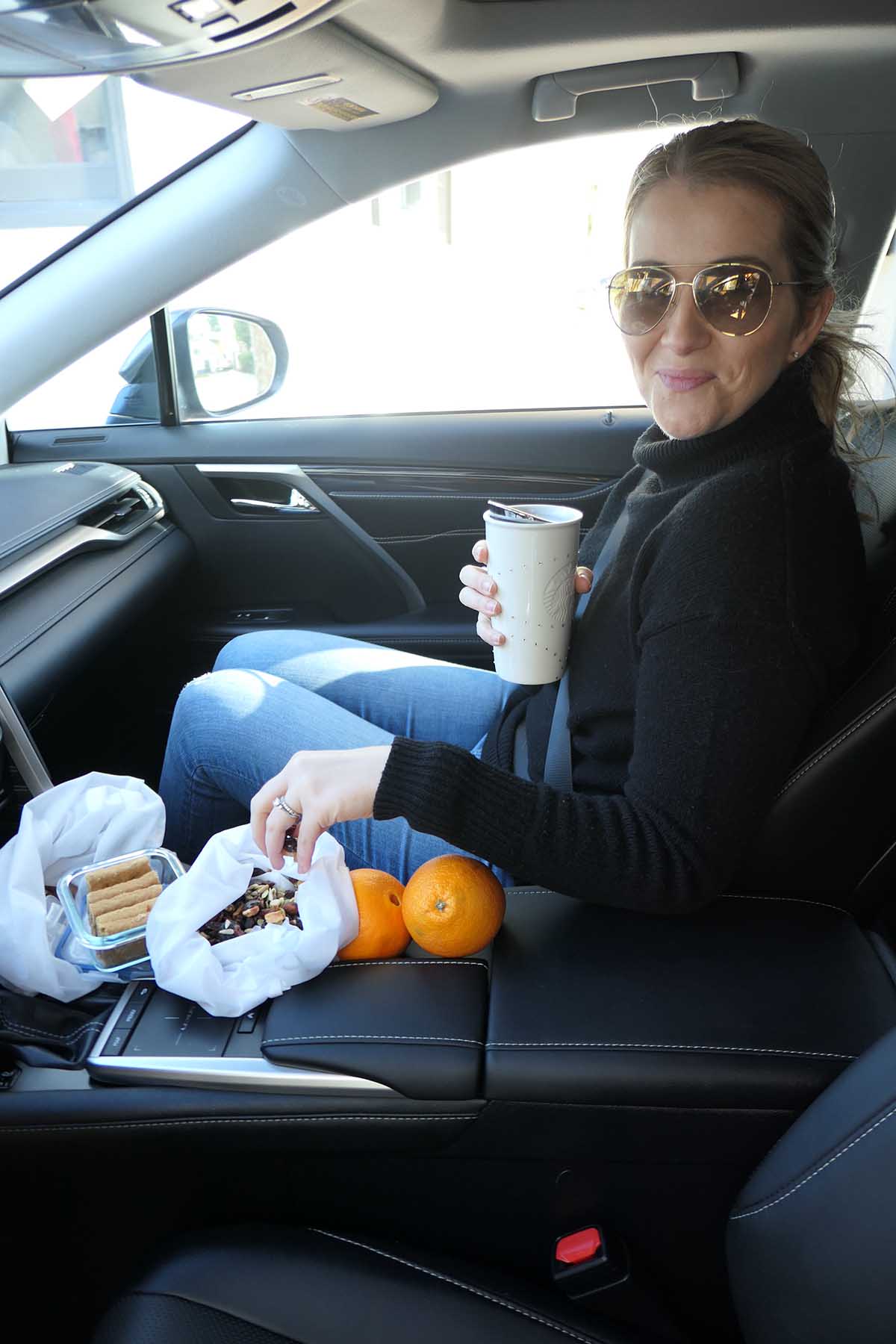
A couple of sealed, shelf-stable snacks can save you when you’re hungry between errands or stuck somewhere longer than expected. Think granola bars, crackers, nuts, or dried fruit, and check them periodically so you can replace anything that’s expired or melted.
Glasses Cleaner
If you wear glasses or sunglasses, keeping a small lens-cleaning cloth in the car makes it easy to deal with fingerprints, dust, and smudges on the go.
Tissues or Handkerchief
A small pack of tissues is useful for everything from a runny nose to cleaning up a small spill. If you prefer a reusable handkerchief like I do, that’s an easy alternative.
Hand Sanitizer
A small bottle of hand sanitizer is useful when you find yourself somewhere without easy access to soap and water.
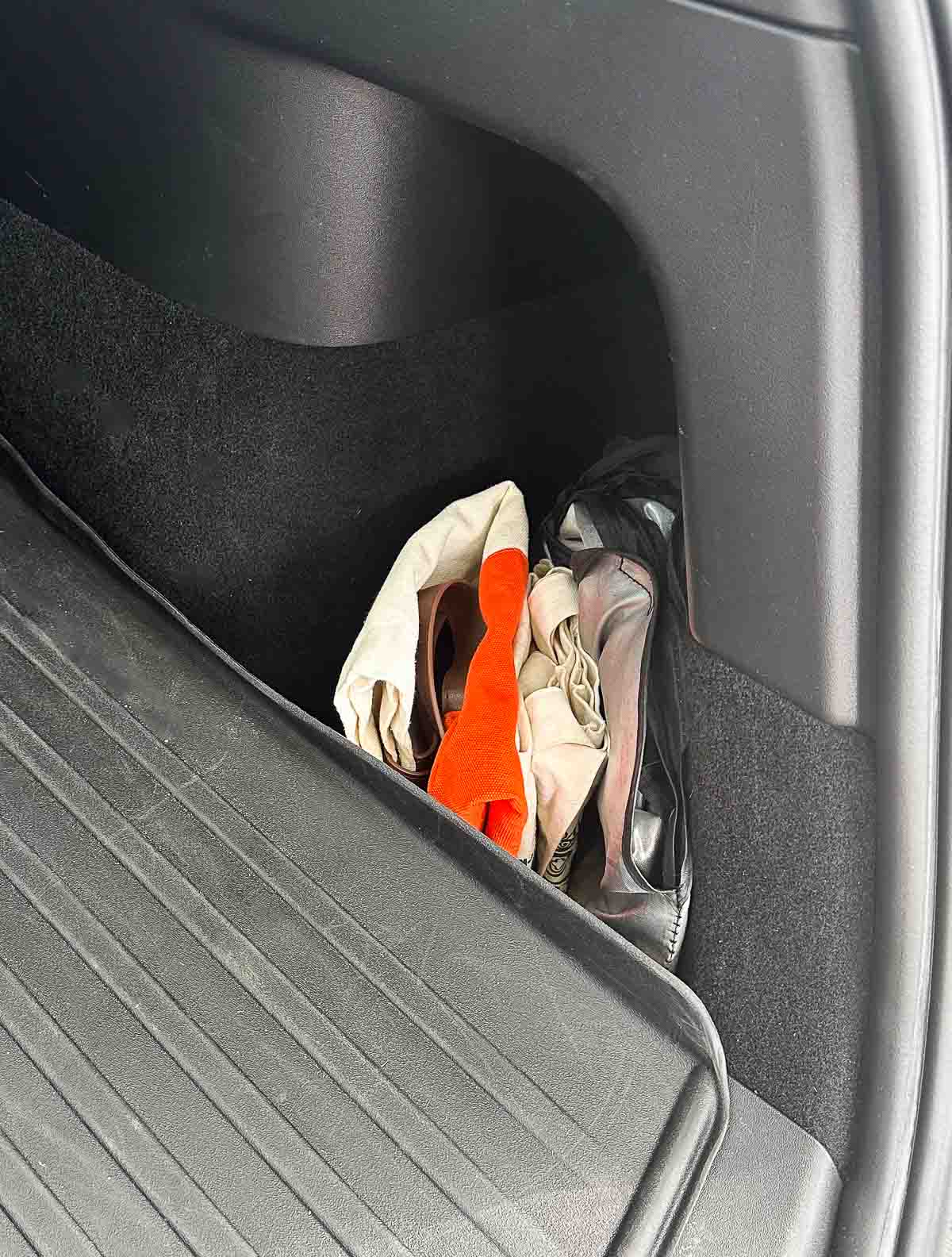
Now that you know what I think is worth keeping in your car, let’s talk about where to actually put it all. Some things are best kept within easy reach, while others can live in the trunk until you need them. Here’s how I divide up the essentials in my own car.
What to Keep in Your Car Glove Box?
Your glove box is prime real estate for the small things you want easy access to while you’re driving. Keep it simple—these are the items that are worth having close by rather than buried in the trunk.
Copy of Your Insurance Information
Keep a current copy of your auto insurance information in the glove box so it’s easy to find if you need it after an accident or during a traffic stop.
Latest Maintenance Receipt
Tucking your most recent maintenance receipt in the glove box gives you a quick reference for recent work and can be helpful if you need to visit a mechanic unexpectedly.
Spare Cash and Coins
A small amount of cash and a few coins can come in handy for a cash-only parking meter, toll, vending machine, or other unexpected situation. You don’t need much—just enough to be useful without keeping a significant amount of money in your car.
Whistle
A small whistle takes up virtually no space and can be useful for attracting attention if you ever need help. It’s inexpensive, takes up almost no room, and is easy to keep tucked away.
What to Keep in the Trunk of Your Car?
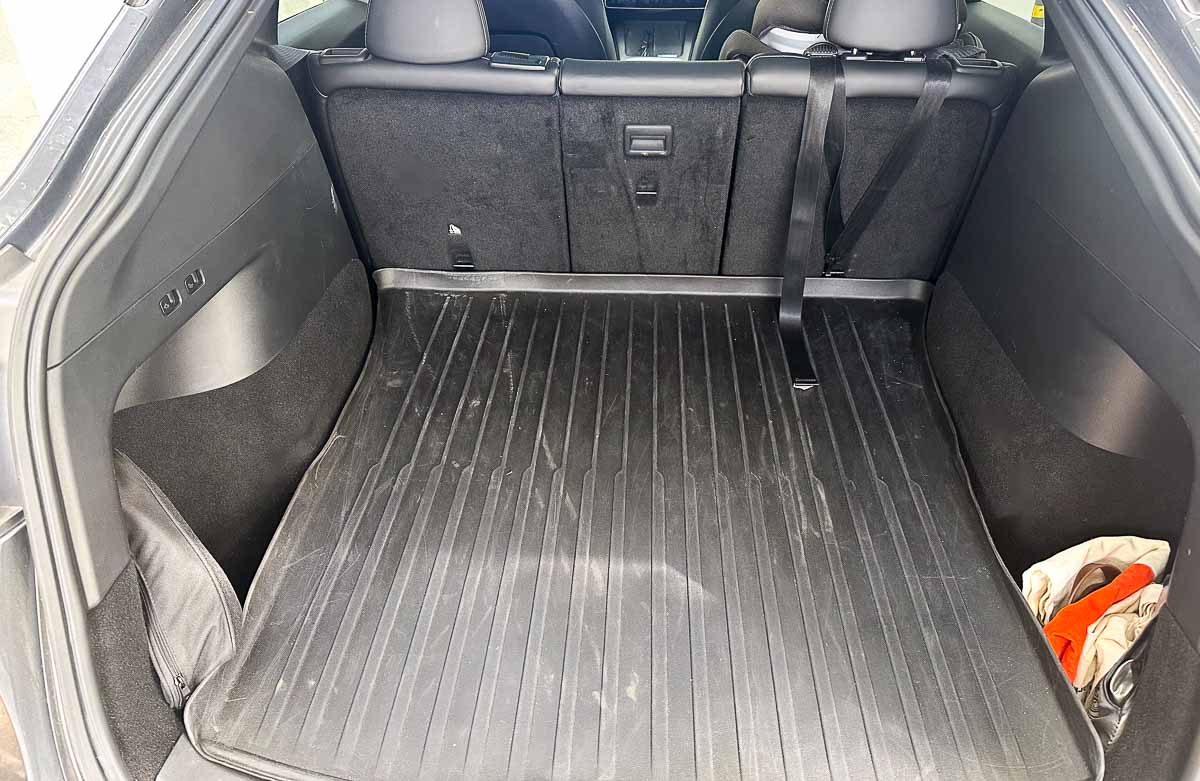
The trunk is the best place for larger items you don’t need to access while you’re driving but want available when you need them. These are the things that can take up a little more space and don’t need to be within arm’s reach.
Tire-Change Essentials
Keep your spare tire, jack, and lug wrench together in the trunk, even if you always call roadside assistance. You may not change the tire yourself, but someone helping you will still need access to the equipment.
Blanket
A blanket can keep you warm if you’re waiting for help, but it also comes in handy for everyday things like picnics, outdoor events, or protecting your trunk when you’re transporting something messy.
Reusable Shopping Bags
Keep your reusable shopping bags in the trunk so they’re ready whenever you stop for groceries or make an unexpected shopping trip. A dedicated stash in the car means you don’t have to remember to bring them from the house. This is all part of how I store reusable shopping bags!
First Aid Kit
A basic first aid kit is easy to tuck into the trunk and gives you supplies for minor cuts, scrapes, and other little mishaps. You don’t need anything elaborate—just the basics you’ll actually use.
Small Umbrella
A compact umbrella is another easy trunk addition, particularly if you don’t want to give up glove-box space for something you may only use occasionally.
Extra Water
If you’re keeping bottled or refillable water in your car, the trunk is an easy place to store it without taking up valuable passenger space. Just be mindful of extreme temperatures and rotate it regularly.
What You Don’t Need in Your Car
There are plenty of car-organization lists that will have you filling your trunk with everything from a mini vacuum to a full roadside emergency kit. But more stuff doesn’t necessarily mean a more prepared car.
Cordless Vacuum
You don’t need a dedicated car vacuum taking up valuable trunk space. A quick trip to the car wash or your regular handheld vacuum at home will handle most messes just fine.
Full Tool Kit
You don’t need a giant toolbox in your trunk for the occasional loose screw. A few basic car-specific tools and your roadside assistance plan will cover most situations you’re likely to encounter.
A Car Full of Emergency Supplies
You don’t need enough food, water, blankets, batteries, and supplies to live out of your car for a week. A few basics can be helpful without turning your trunk into a disaster-preparedness closet.
Multiple Cleaning Products
A car doesn’t need its own collection of glass cleaner, upholstery cleaner, disinfectant, tire cleaner, and detailing sprays. Keep a couple of simple cleaning supplies for spills and save the deep cleaning for home or the car wash.
Bulky Organizers
You don’t need a complicated trunk organizer system to keep a few essentials in place. A simple tote or small bin can corral loose items without taking up half your cargo space.
Extra Clothes and Shoes
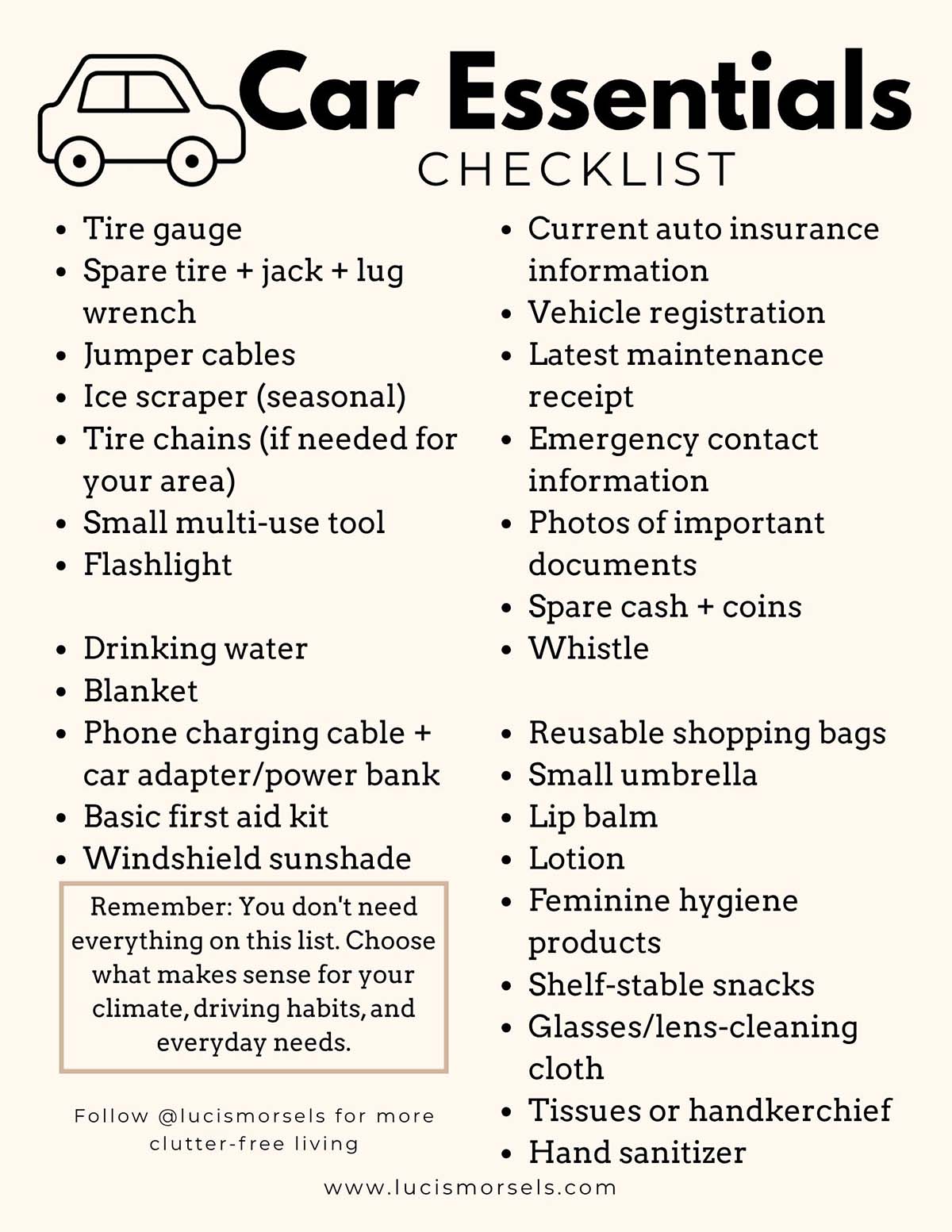
Unless you regularly need a change of clothes for work, exercise, or outdoor activities, there’s no need to keep an entire backup wardrobe in your trunk.
The only exception to this is if you have young kids. I always kept the spare outfit in our diaper bag, which I never left home without, but an extra diaper or outfit probably wouldn’t go amiss (and it doesn’t take up that much space).
A Huge Stockpile of Snacks
A couple of shelf-stable snacks are useful. A trunk full of granola bars, bottled drinks, and emergency food you’ll forget about until it expires? Not so much.
Things You Never Actually Use
This might be the biggest one. If something has been sitting in your car for months and you can’t remember the last time you used it, take it out. Your car doesn’t need to be storage space for things you might need someday.
What to Keep in Your Car
Your car doesn’t need to be a second home—or a second storage unit. The goal is simply to have the things that make everyday driving a little easier and help you feel prepared when something unexpected happens.
And if you’re reading this and realizing you have WAY too much stuff in your car right now, that’s okay! You might need to do a full car purge, just like the closet purge I did. Take everything out, give the car a good cleaning, and then put back only the things you actually need and use. It’s much easier to start fresh than to try to declutter one random item at a time.
Once you’ve got the basics back in place, take a few minutes every couple of months to check what’s accumulated. Remove the trash, take out things that belong in the house, replace anything that’s expired, and adjust your supplies as the seasons change.
A prepared car doesn’t have to be a cluttered car. Keep what serves you, skip what doesn’t, and let your car do what it’s actually there to do: get you where you’re going.