
Sustainable Alternatives To Plastic

If you’re looking for sustainable alternatives to plastic, you’re in the right place. While plastic can feel nearly impossible to avoid, there are plenty of practical alternatives that can help you reduce your reliance on single-use plastic—especially in your kitchen, bathroom, and everyday routines.
If you’re just starting to look into alternatives to plastic, I encourage you to make one change at a time. It can be overwhelming to try to replace it all at once. And it’s important to note that throwing out all the plastic items that still have use in them isn’t actually sustainable.
As I always say – the most sustainable thing is the one you already own.
Below is a discussion of why plastic pollution is a problem, when plastic is a reasonable choice, what materials to look for instead, 12 reusable alternatives to plastic, and where I recommend starting if you aren’t sure what to change first.
Want to make more sustainable choices without overthinking every purchase? My free Sustainable Swaps Checklist gives you simple, practical swaps you can make around your home—so you can focus on the changes that actually make sense for your lifestyle.
CONTENTS
Sustainable Alternatives to Plastic
Plastic is a multi-faceted topic for discussion. One important distinction is whether a plastic item is single-use or reusable.
A single-use plastic item is designed to be used once before discarding it— think plastic bags, food packaging, coffee cups, plastic silverware, etc. A reusable item made from plastic is something designed to be used over and over again, like food storage containers, reusable coffee cups, reusable water bottles, or plastic hangers.
When you’re trying to reduce plastic waste, I’d prioritize replacing single-use plastics first.
A quick note here that the conversation around plastic is a big one in terms of sustainable living and clean living. Clean living, non-toxic living, and similar terms refer to personal health and exposure whereas sustainable living focuses on environmental impact. There is absolutely overlap between the two, but they’re not always the same thing.
Here’s the example I often use: if you already have plastic food storage containers in your kitchen, continuing to use them for as long as they’re functional is the most sustainable choice. If your goal is to reduce your use of plastic for personal or health-related reasons, you may decide to replace them with glass or stainless steel.
The best choice depends on what you’re trying to accomplish. As someone concerned with sustainability and clean living, I don’t think there’s a wrong choice.
Before replacing something, consider whether it’s single-use, how frequently you use it, how long the alternative will last, and whether the alternative is actually practical and accessible for you.
What Are The Effects Of Plastic Pollution?
Plastic is everywhere—and while its convenience is hard to deny, its environmental impact is much harder to ignore.
Plastic is made from fossil fuel-based materials, and its production requires energy and resources. Once discarded, conventional plastic can persist in the environment for a very long time. Plastic pollution accumulates in landfills, waterways, and oceans, where larger pieces can break down into smaller particles, including microplastics.
The scale of the problem can feel overwhelming, but that doesn’t mean you need to eliminate plastic from your life overnight.
One of the most practical things we can do is reduce our reliance on single-use plastic. Choosing reusable products when they make sense, buying fewer disposable items, and using the things we already own for as long as possible can all help reduce waste.
You can learn more about how to avoid microplastics and see some of the brands I recommend in my sustainable shopping guide.
Can Plastic Be Sustainable?
People often think plastic ≠ sustainable, but the answer is a bit more complicated (it’s actually easier for you, I promise).
Sustainable living is about buying less stuff, creating less demand, and using what you have until it has no life left in it. If you already own something made of plastic that still has more uses left, then using that item is often more sustainable than throwing it away and buying a replacement made from another material.
Plastic can also have some practical advantages. It’s lightweight, durable, and often less resource-intensive to transport than heavier materials such as glass or stainless steel. Whether one material is ultimately more sustainable depends on the entire life cycle of the product—including how it’s made, how long it’s used, how it’s transported, and what happens to it at the end of its life.
And there’s another consideration: cost.
Plastic is often inexpensive, which makes it an accessible option for both manufacturers and consumers. Choosing a more sustainable material isn’t always financially realistic for everyone, and I don’t believe sustainable living should require buying expensive replacements for things that already work.
One option I do like looking for is PCR (post-consumer recycled) plastic. PCR uses plastic that has already been used and collected for recycling, giving that existing material another purpose rather than relying entirely on new plastic.
So rather than thinking plastic is bad and everything else is good, I prefer to ask:
Can I use what I already have? Can I avoid a disposable item? And if I need something new, is there a durable alternative that makes sense for me?

12 Reusable Alternatives To Plastic
When you’re ready to replace an item or need a new type of item, you don’t want to spend hours researching every possible material and product.
Here are 12 of my favorite reusable alternatives to plastic, organized by where I use them in my own life.
Kitchen Reusables
The kitchen is probably the biggest source of single-use plastic waste in your home and, therefore, the place with the most options for finding eco-friendly alternatives. Our first plastic replacement was plastic wrap. You can read all about what to use instead of plastic wrap for more on that!
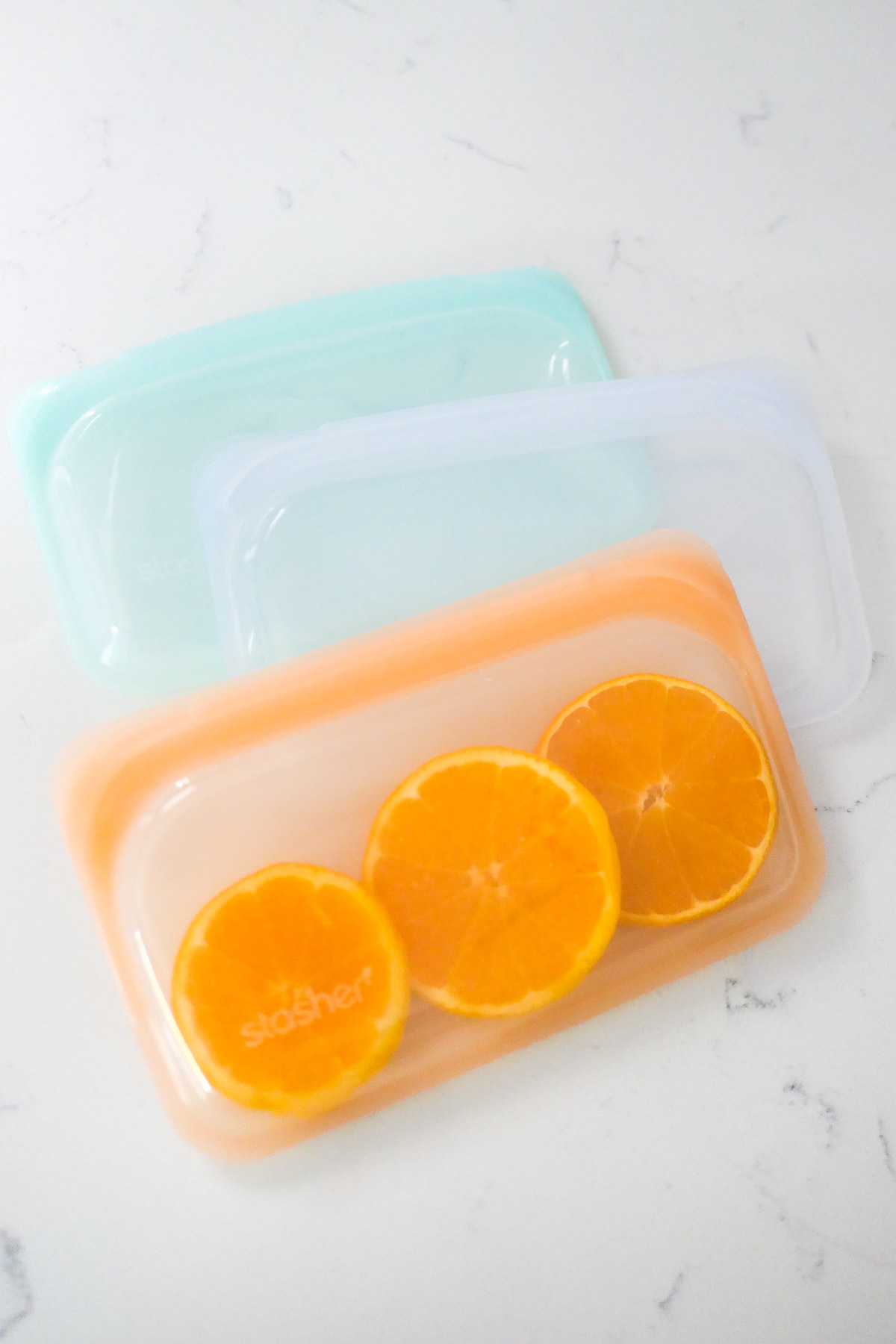
1. Reusable silicone bags
Reusable silicone bags are a great replacement for disposable plastic bags and even some food storage options. I use them for snacks, storing fruit halves and open avocados, freezing food, keeping cheeses, etc.
They come in a variety of sizes, colors, and brands. Stasher is my favorite brand for reusable silicone bags.
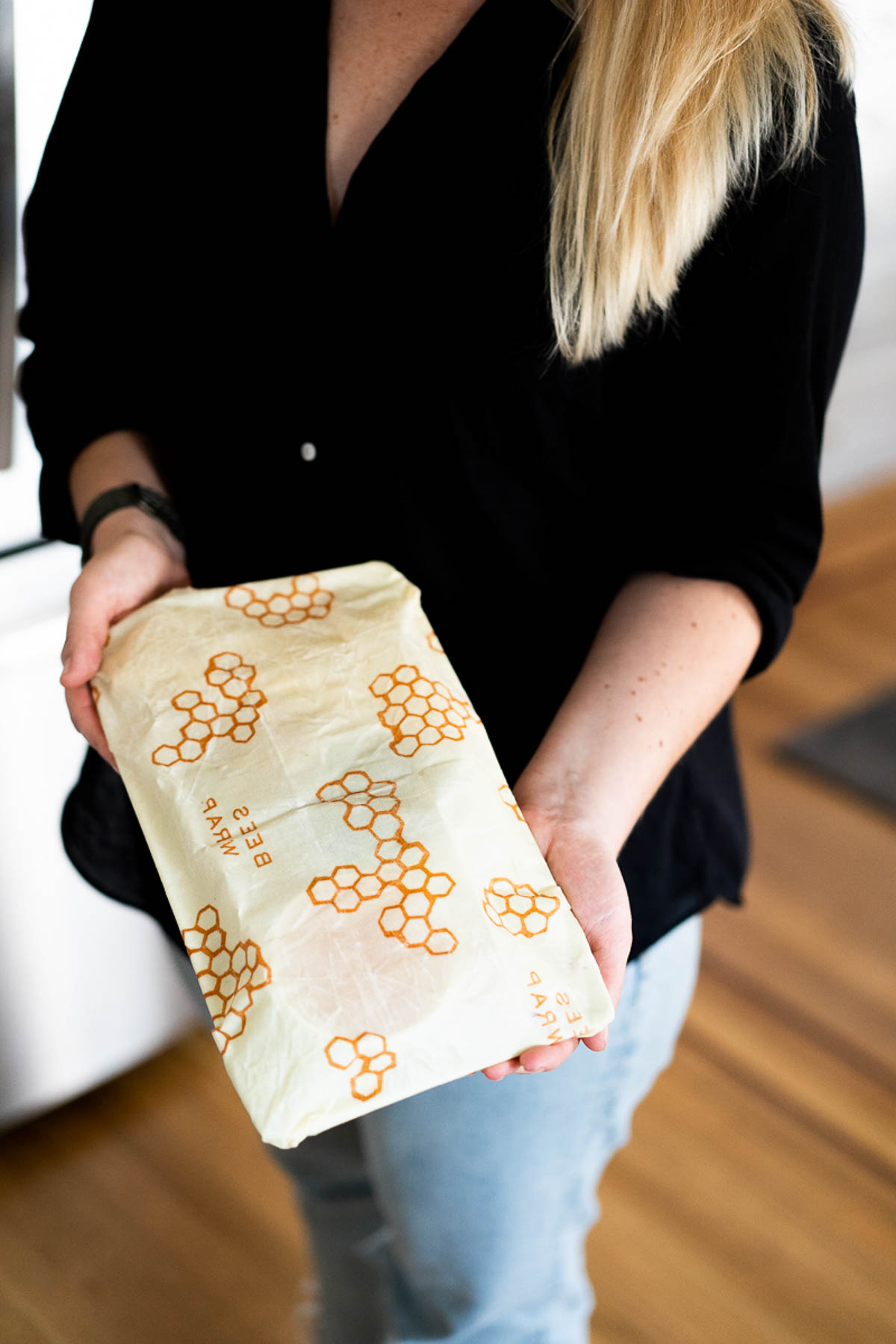
2. Beeswax wrap
Beeswax wrap is another great option for replacing plastic wrap. It’s reusable and can be molded around bowls, food, and other items to create a flexible covering.
Just pay attention to the materials when shopping, as the compostability and biodegradability of beeswax wraps depends on the specific ingredients and backing materials used.
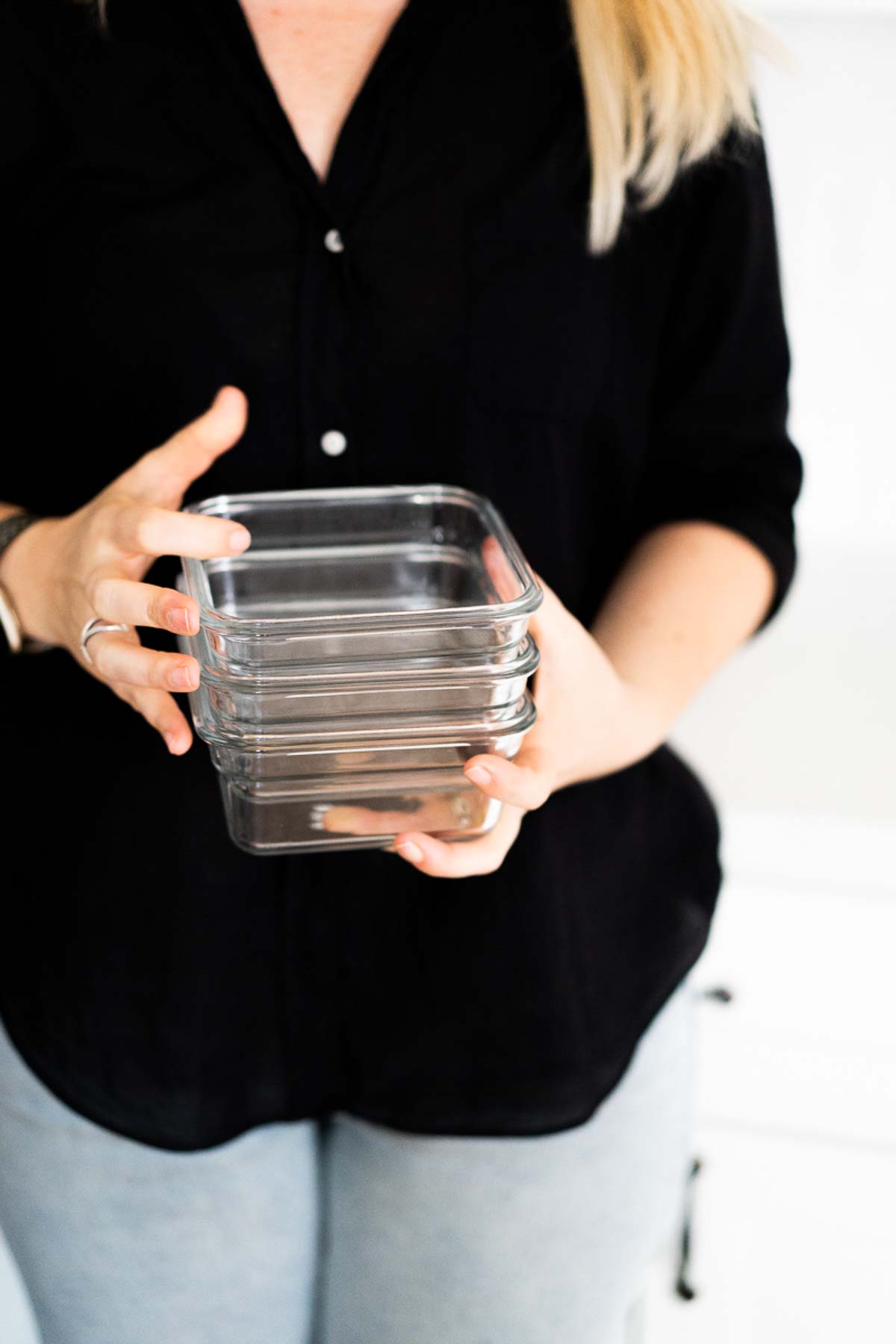
3. Glass or stainless steel food storage containers
Glass and stainless steel are both great alternatives to plastic food storage containers.
Glass makes it easy to see what’s inside and can generally go from the refrigerator to the microwave or oven, depending on the specific container. Stainless steel is lightweight, durable, and won’t shatter, making it especially useful for lunches and on-the-go meals.
If you already have functional plastic containers, though, keep using them. There’s no need to replace them simply because glass or stainless steel exists.
4. Reusable Entertaining Supplies
Disposable plastic cutlery and plates can create a lot of unnecessary waste.
Whenever possible, I simply use real silverware and dishes and put them in the dishwasher afterward. If you need disposable options for a larger gathering, look for uncoated paper plates or certified compostable products that your local composting system actually accepts.
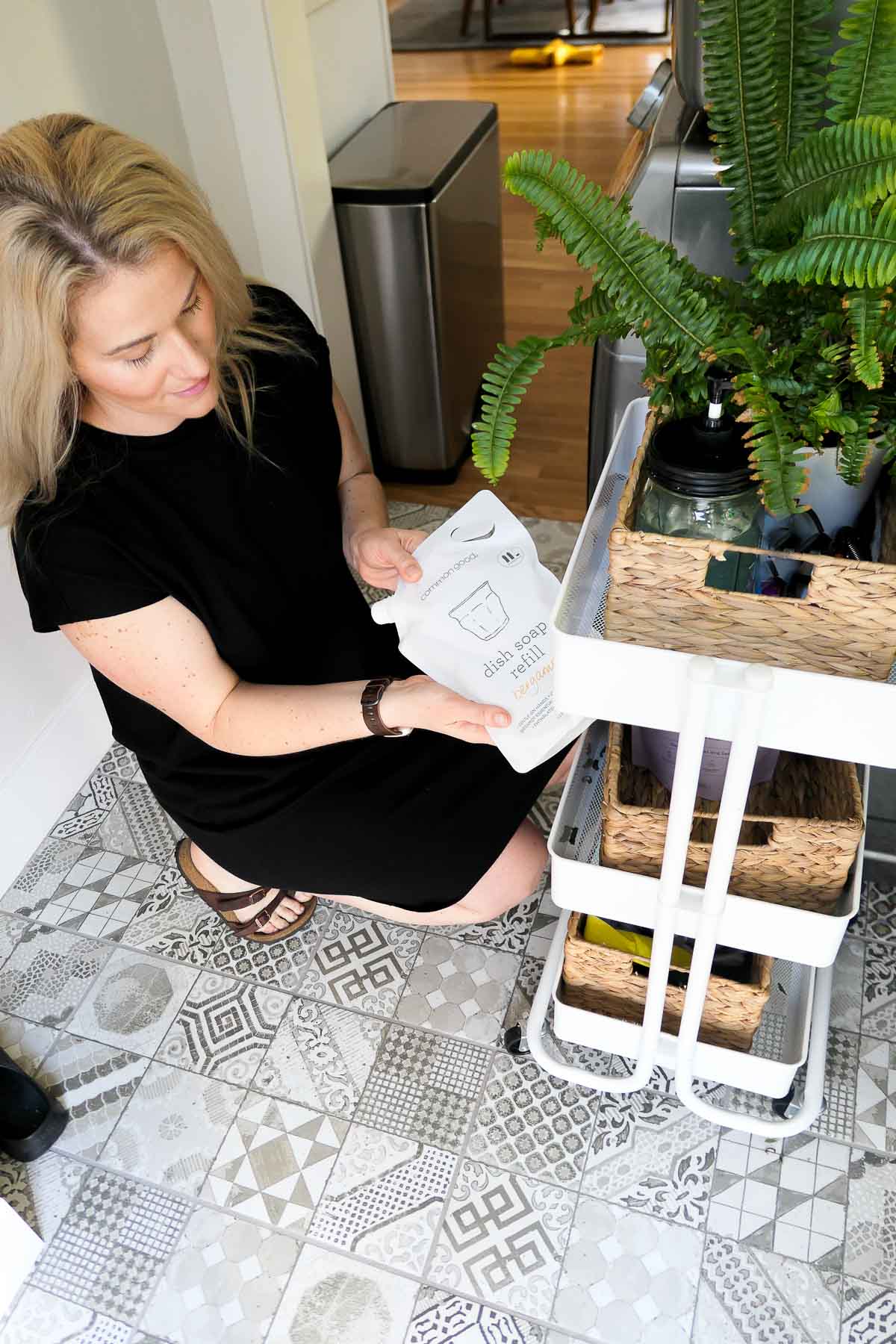
5. Plastic-free sponges and dish brushes
Many conventional sponges and dish brushes contain plastic, but there are plenty of options made with natural or compostable materials.
We like these sponges and this dish brush!!
Personal Care Reusables
The bathroom is another place where small swaps can make a noticeable difference over time.
6. Washcloths instead of disposable wipes
Many conventional face wipes and baby wipes contain plastic fibers, and they’re also designed to be thrown away after a single use.
For everyday cleansing, a simple washable washcloth can do the job without creating the same stream of single-use waste.
7. A safety razor
Disposable razors and replacement cartridges can create a surprising amount of plastic waste.
If you’re comfortable learning a slightly different shaving technique, a double-edge safety razor is a great plastic-free alternative. The blades are replaceable, but the razor itself is designed to last for years.
8. A lower-waste toothbrush
Toothbrushes and electric toothbrush heads are another category that typically can’t go into your curbside recycling bin.
There are bamboo options for manual toothbrushes, as well as electric toothbrushes designed with sustainability in mind. SURI is the electric toothbrush we use, and the company offers a recycling program for used brush heads.
Everyday Reusables
If there’s one thing you can replace from plastic to make a big difference, it’s disposable water bottles and drink cups. It seems so simple, but every disposable plastic item you’re able to skip counts up.

9. A reusable water bottle
A reusable water bottle is one of the easiest ways to avoid disposable plastic water bottles.
I prefer insulated stainless steel bottles because they’re durable and keep water cold for hours. There are also glass options with protective silicone sleeves if you prefer glass.
The best bottle, though, is the one you’ll actually remember to bring with you.
10. A reusable coffee or tea cup
If you get coffee or tea to-go regularly, a reusable cup can eliminate a lot of disposable cups, lids, and straws over time.
Look for a glass or stainless steel option that fits easily into your routine. An insulated cup is especially useful if you want your drink to stay hot or cold for longer.
Shopping Reusables
Shopping is another easy place to reduce single-use plastic—especially if you get into the habit of bringing your bags with you.
11. Reusable shopping bags
Reusable shopping bags are a simple swap, but there’s one important caveat: the key is actually reusing them.
You don’t need a collection of dozens of cute reusable bags. Keep enough for your normal shopping routine, store them somewhere you’ll remember them, and use them again and again.
And if you already have plastic bags at home, use them rather than throwing them away simply because you’ve purchased reusable ones.
Plastic grocery bags generally aren’t accepted in curbside recycling, but many stores offer drop-off recycling. You can learn more about plastic bag recycling here.
12. Cotton produce bags
I love reusable produce bags for grocery stores and farmers markets.
I use a combination of mesh cotton bags and canvas cotton bags, depending on what I’m buying. They can also be helpful for keeping produce organized while allowing certain fruits and vegetables to breathe.

Where Should You Start?
If you’re looking at this list and thinking, Okay, but I don’t want to replace 12 things, good. You don’t have to.
Start with the plastic items you use most often or throw away most frequently.
For most people, I’d start here:
- Replace disposable water bottles with a reusable bottle.
- Replace disposable coffee cups with a reusable cup if you buy drinks regularly.
- Replace plastic bags and wrap with reusable silicone bags or another option that fits your routine when you’re running out of what you currently own.
- Bring reusable shopping bags and actually reuse them.
- Use washable cloths instead of disposable wipes.
- When something wears out, replace it with a lower-plastic alternative if one makes sense for you.
And remember: you don’t need to make every swap.
Sustainable living isn’t about creating a perfectly plastic-free home. It’s about paying attention to what you use, buying less when you can, and making thoughtful changes where they’ll have the biggest impact on your everyday life.
Ready to make a few more sustainable swaps at home? Grab my free Sustainable Swaps Checklist and choose a handful of changes that feel realistic for you.
Small, thoughtful choices really do add up.