

What does It Mean to Be Eco-Friendly

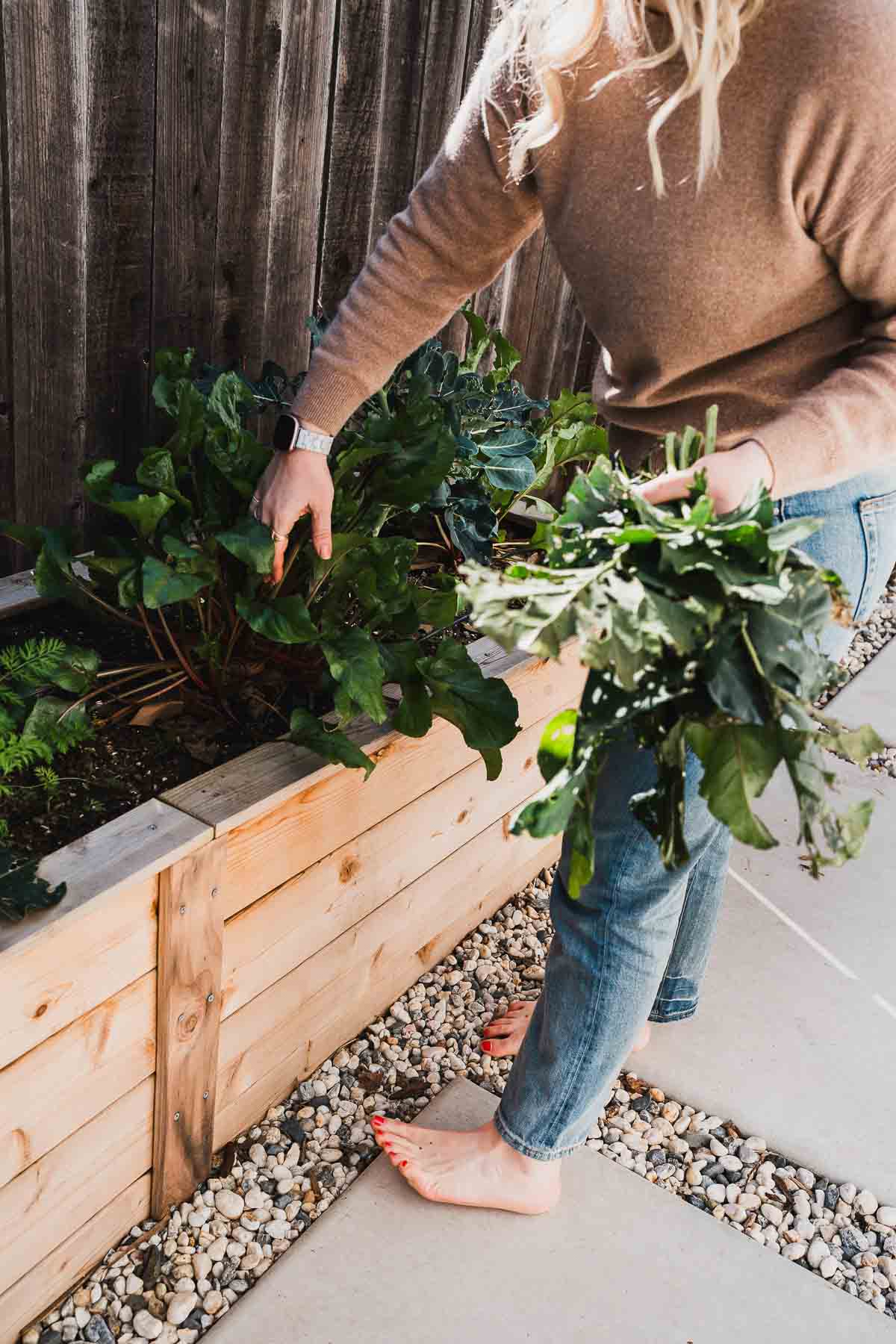
We started living more sustainably in 2019 (just after we had a baby and bought our first home). At the time, I was scared to say that I was sustainable or even eco-friendly. Instead I couched it with being “eco-friendlier.” I was scared of the naysayers calling out my rudimentary attempts to live sustainably. I’m now more confident in how we live and how important it is, so I want to help everyone understand what it means to be eco-friendly.
It can be very difficult to tell what actually makes a meaningful environmental difference and what might just be marketing or “greenwashing.” There’s also a lot of guilt out there because there really are no perfect options (if you want to stay sane).
The biggest thing to remember is that there is no single way to be eco-friendly. Our lives are all different, so the actions we take and don’t take have to adjust to that. When I was cloth-diapering my baby, I was well aware that previous me (and future me) literally wouldn’t care about cloth diapering, but that’s the phase we were in.
Similarly, homeowners can make different choices about their homes that those who rent. Eco-friendly choices also vary on where we live. How close we are to sustainable options; the infrastructure available for eco-friendly living; and the community in which we’re operating.
No matter where you are on your journey to sustainable living, remember that every one eco-friendly change is a win. It may be your first and only eco-friendly action. It may be your tenth, but it’s all great!
Below are a whole host of examples of eco-friendly living. As you learn more about waste, climate impact, and resources, you can make better decisions about what to buy, what to skip, how to reuse, and what decisions are really making an impact. Compostable bandaids aren’t really as helpful as using your own reusable cup whenever you go to coffee shops!
CONTENTS
What Does It Mean to Be Eco-Friendly
Being eco-friendly means making choices in daily life that reduce harm to the environment and use natural resources more responsibly. There are probably an infinite number of actions you could do each day to be eco-firendly.
Easy examples include minimizing waste, lowering pollution, conserving energy and water, and choosing products or behaviors that have a lower environmental impact over time.
Again, it’s impossible to be perfect. The biggest impact is more of us making intentional decisions.
It’s funny, I like to compare sustainable living to dieting. Many peopel like to do these restrictive diets for a certain number of days (e.g. hard 75). And on day 76, they completely fall apart. They were so deprived of foods they loved, they go right back to what they were doing before.
Sustainable living is like that. I can suggest 35 ways to be more sustainable everyday, but you’ll quickly get overwhelmed, feel guilty, and eventually move away from it. It’s honestly better to get a few habits down that you can stick to for years and years (decades) than to make any drastic changes overnight.
Ready to Live Sustainably?
Take the guesswork out of sustainable living – thoughtfully curated resources so you don’t have to do the research. Clear, doable, and designed to fit real life.
How to Be More Eco Friendly
Ok. Here are 13 ways you can be eco-friendly. Each ‘way’ has a number of options within it. Pick a category, pick a room, pick whatever – just get started and keep plugging away!
Reduce Single-Use Plastics
One of the big ones. Plastic is kind of terrible. I mean. In some ways, it’s really great. The probably is that it’s very cheaply made but the environmental cost is catastrophic. Plastic basically never ‘degrades.’ It just keeps getting smaller and smaller.
Big offenders of single-use plastics – water bottles, plastic silverware, plastic wrap on EVERYTHING (looking at you Costco and Trader Joes – both of which I love). You can read more about how to avoid microplastics here, but just understand that all plastic becomes microplastics and that harms our environment in any number of ways and it’s been linked to human health disfunction, so ditch the plastics!
Use Reusable Bags, Bottles, and Containers
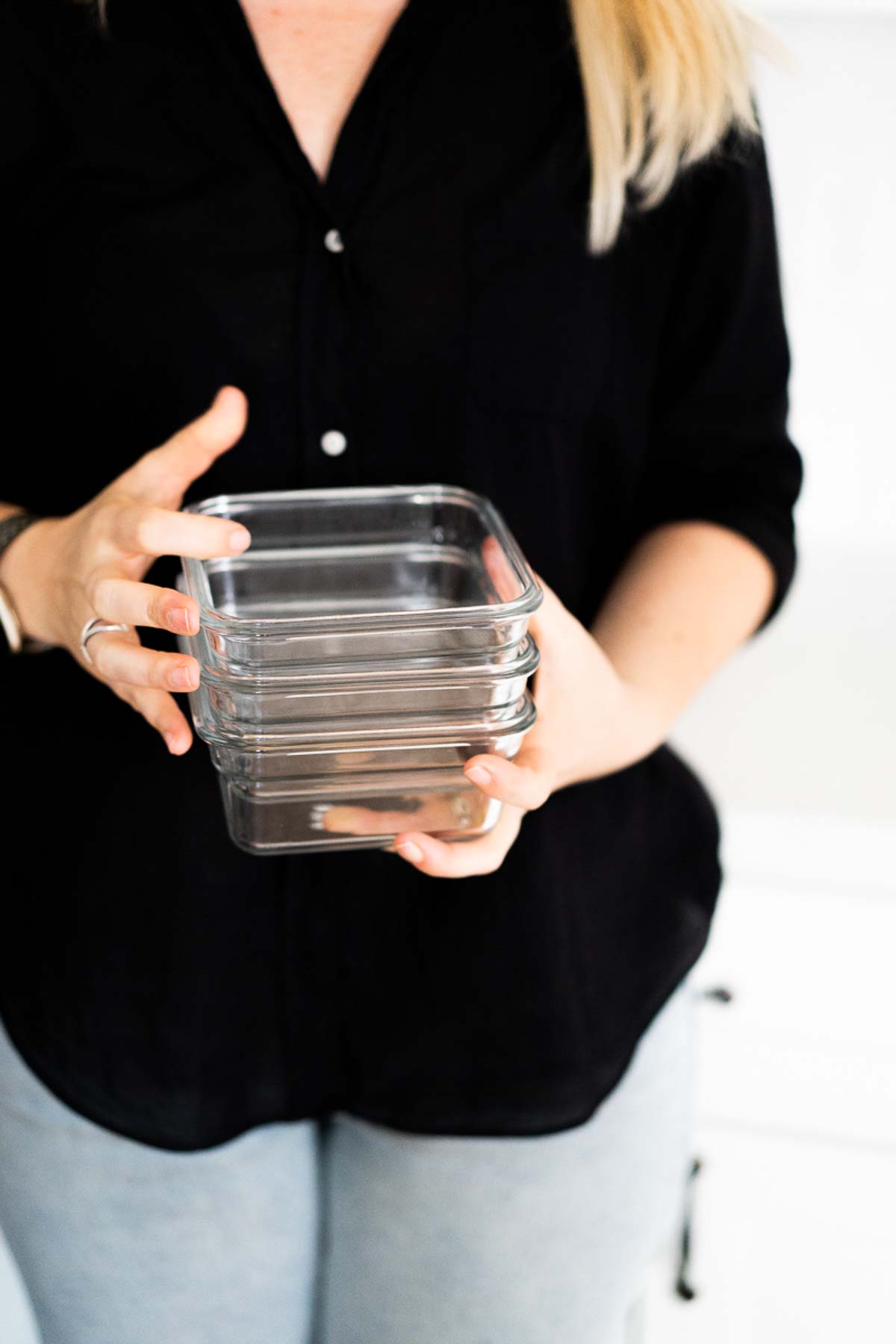
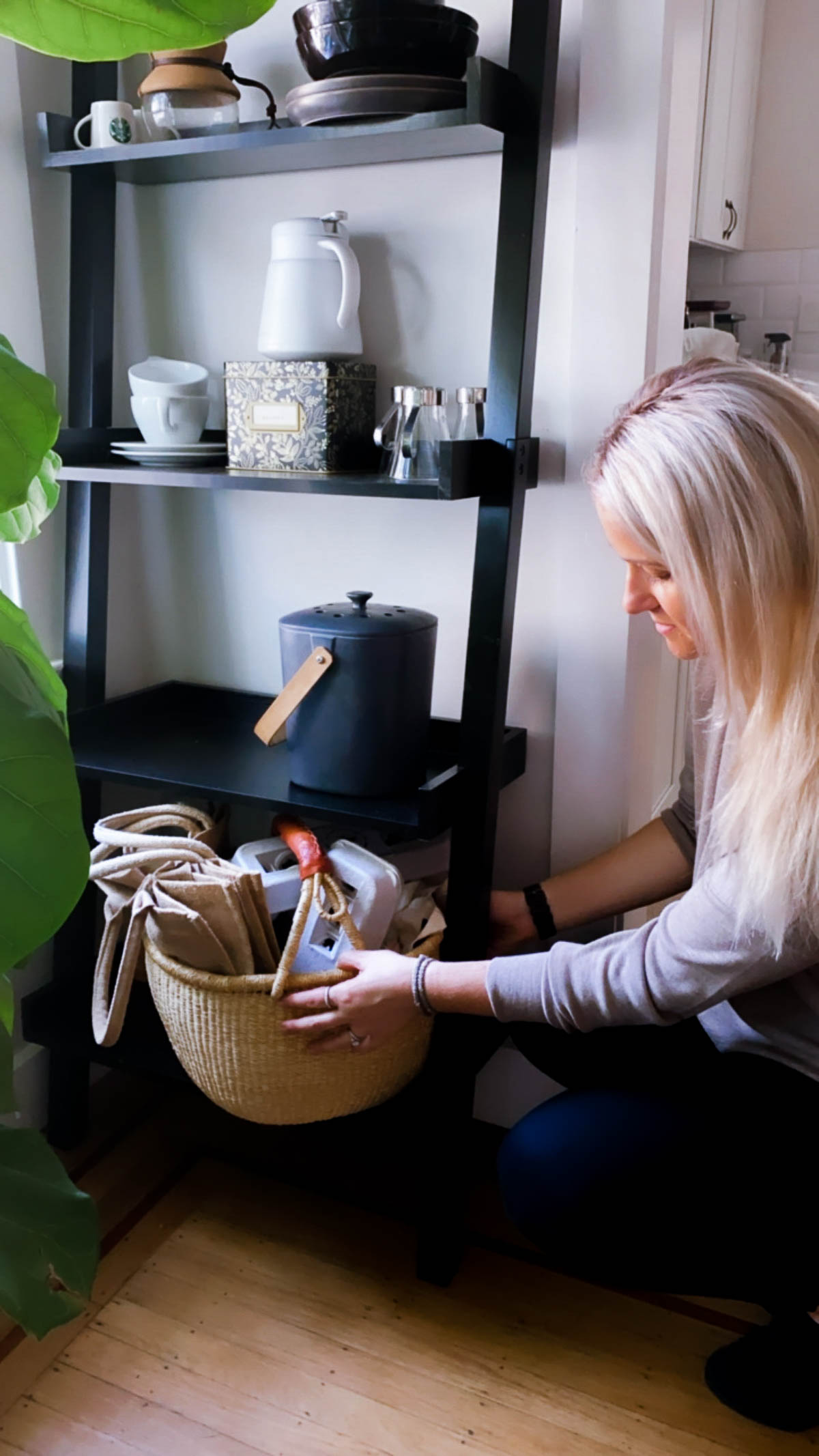
How do you stop using so much single-use stuff? Start reusing things – literally anything! My everyday musts are my reusable water bottles, my reusable coffee cups (yep, one for every time of coffee I love), reusable shopping bags, reusable snacks bags, glass food storage containers, etc.
Nearly everything has a reusable opportunity, so start with the things you use the most because that’s what will make the biggest impact.
Save Energy by Switching off Unused Devices
Another easy one that costs nothing (actually saves you money). When devices aren’t in use turn them off. And to take it one step farther, try unplugging unused devices as they always pull a little energy. Power strips make this a lot easier!
Choose Energy-Efficient Appliances
When it’s time to replace your appliances, choose energy-efficient appliances. You can get loads of ideas and inspiration for how to make your home more sustainable – it goes beyond dishwashers that use less water!
Use Clean, Non-Toxic Items
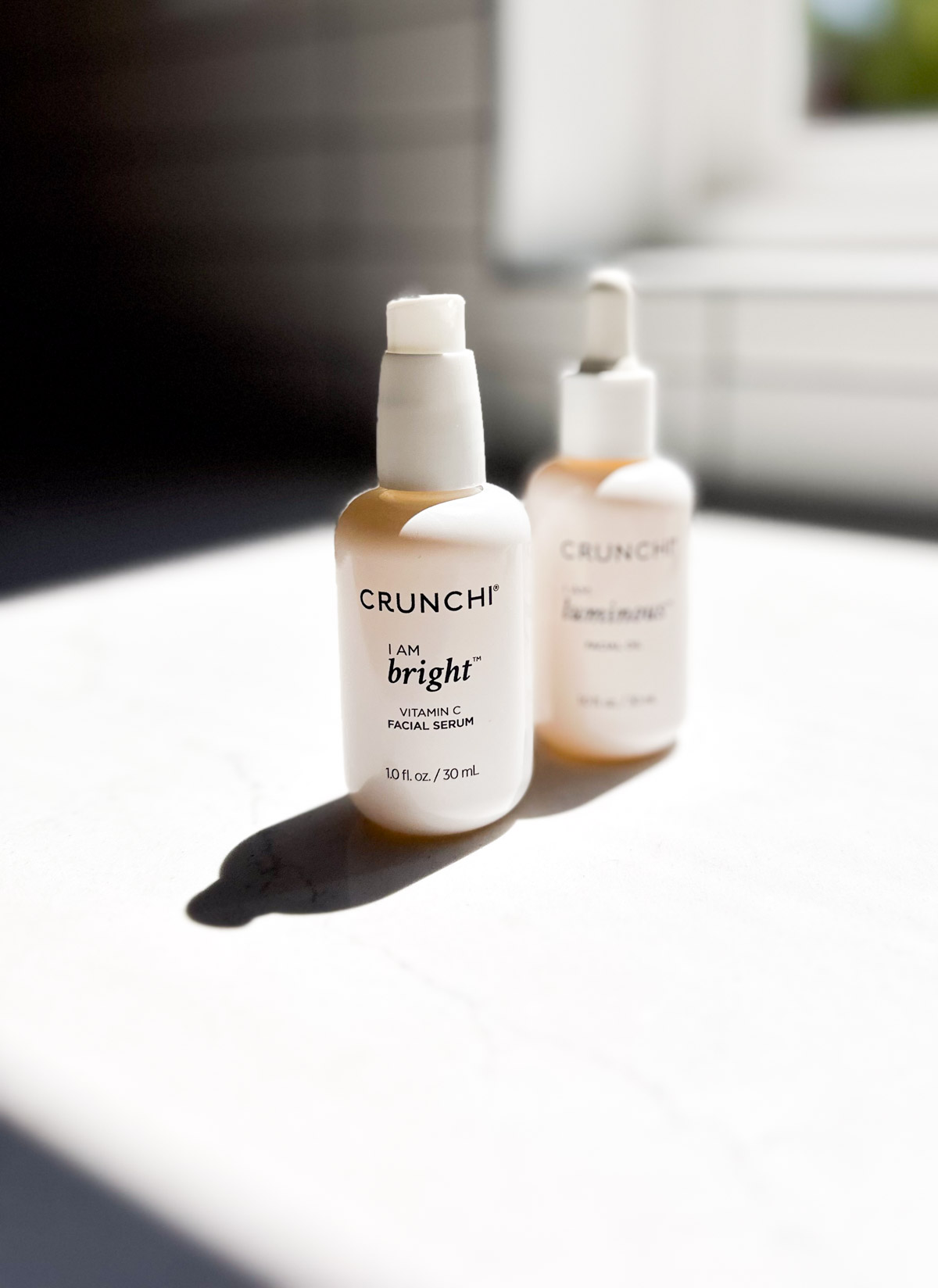
Everything from personal care (hair products, makeup, and skincare) to laundry detergent and hand soap get washed down the drain. Toxic chemicals, synthetics, and the like wash into waterways, soil, and evaporate into the air.
By switching to clean products, you can minimize harm to the environment all day everyday! I love these brands for Clean Home Products. This is the cleanest (and very sustainable) skincare brand. Not sure where to start? After years of research and trying a multitude of products, I’ve finally got it figured out. This is my complete list of clean products for men and women – home and personal care!
Conserve Water Daily
Saving water is a series of tiny actions that add up. Turn off the running water when washing hands, brushing teeth, and scrubbing dishes. Watering plants and gardens for 1 minute less each time really adds up too.
You can also pick eco -cycles for your dishwasher and laundry. These are going to use cooler temps and less water overall. Don’t knock it before you try it!
Recycle Correctly and Avoid Contamination
Recycling can be one of the most frustrating experiences – trust me, I know. Here are some basics for how to recycle at home. There is a lot of confusing gray area, but there are some hard and fast rules to recycling – clean containers. Glass, paper, and certain plastics.
Reuse and Repurpose Items
When it comes to trying to be eco-friendly, it can feel like it costs money, but the truth is that being eco-friendly is all about buying less and buying better. Truly the most sustainable thing you can do is to reuse and repurpose items.
While I can’t do it all, I’ve found that posts in my Buy Nothing Group are a great way to rehome items that still have life in them!
Buy Less, Choose Quality over Quantity
Some people tout eco friendly living as not buying anything new, ever. I just don’t think that’s feasible or welcoming. Truly sustainable eco-friendly is about buying less, yes, but it’s also about buying better – better quality, better standards, etc.
Opt for Minimal or Recyclable Packaging
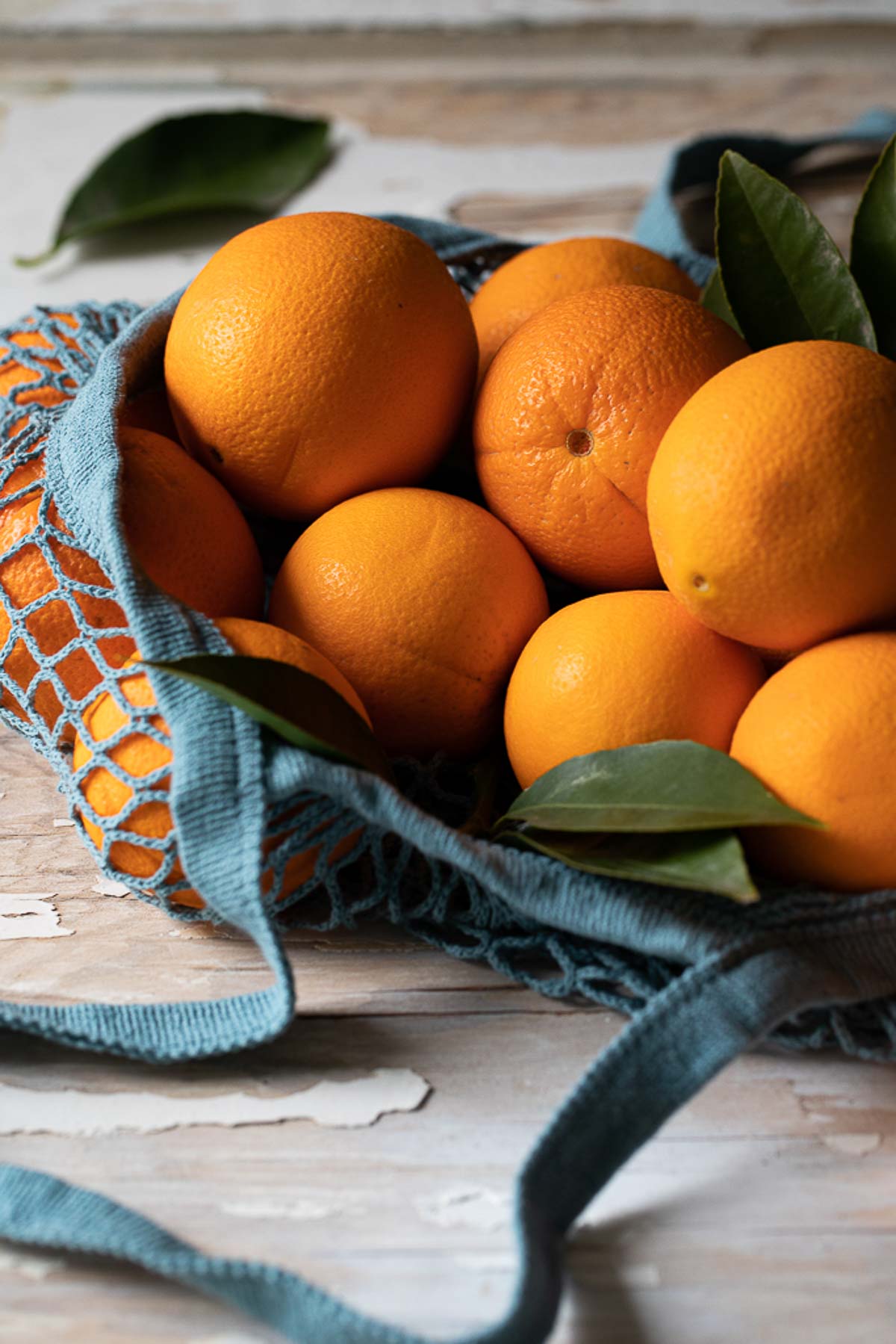
Packaging is one of those things that will quickly deter me from ordering from a company or buying a certain item. Recently I realized that the produce mesh bags (think mandarins/cuties) are absolutely plastic and begin breaking down in my kitchen, so now I won’t buy those anymore. Instead I’m buying the items individually and taking them home in my reusable produce bags.
Go Organic When Possible
Organic farming is a simple way to do better for the planet and your health at the same time. The restrictions on non-organic food is disheartening, but, namely, it’s unhealthy and unsafe. The chemicals used in farming are toxic to human health, they’re bad for the soil, and their bad for ecosystems and biodiversity.
Choosing organic food and organic materials in your clothing are therefore always the best decision. Organic is often more expensive, so do it when and where you can. Every time you choose organic, there’s an immediate improvement in your health!
Never thought about organic farming in your clothes? Check out the best organic cotton underwear and women’s organic cotton clothing options!
Walk, Bike, or use Public Transport
Another one of those impossibly simple ideas is to drive less. Walking and biking are always great but obviously not always possible. Public transport and commuting with others are both really great alternatives. In fact walking and public transport is one of my eco-friendly travel tips.
Support Sustainable Brands
And my absolute favorite. It can feel daunting when you start talking about carbon footprints, negative impacts on the environment, and microplastic pollution, but there are MANY companies doing good. It’s what Luci’s Morsels is all about – featuring sustainable brands, products, and ideas!
Reduce Food Waste through Planning and Storage
Reducing food waste is always the thing I tell everyone to focus on first when they want to be more eco-friendly. Food waste primarily goes to landfills where it can’t properly breakdown, emitting greenhouse gases in the process.
Limiting food waste is therefore very important (and money-saving). Using proper storage, understanding when produce is in season, and planning a bit more are the best ways to minimize food waste!
Wondering what’s in season? Grab my free printable on what fruits and vegetables are in season when!
Skip the 2-day Shipping
Oh my goodness and please stop expecting free and fast shipping at every turn. We’ve all grown accustomed to fast and free shipping, namely because of Amazon, and it’s terrible for the environment. Items are flown around the world in record times, polluting the air with every mile – on every flight. All so we can get an impulse buy item in less than 48 hours.
Eat Seasonally & Locally
Seasonal produce is my love language. Seasonal produce astes better, lasts longer, and doesn’t require transportation. International food production, transportation, and consumption poses a number of problems. As often as you can, eat what’s in season, shop locally, and support organic farming!

Why Being Eco Friendly Is Important
There are so many ways to be eco-friendly. They each have a different set of effects ont he environment and climate changes. Here are the overarching things that all these actions help with though!
Reduces Air, Water, and Soil Pollution
Every single decision relates to this. Whether it’s the emissions from driving or transporting products, the sustainable products you wash down the drain, or the mindful recycling practices you use – it’s all about air, water, and soil pollution! It all relates to the health of our planet and the health of humans and animals.
Lowers Greenhouse Gas Emissions that Contribute to Climate Change
Greenhouse gas emissions come from fuel extraction and usage in cars. They come from food waste trying to decompose in a landfill. They come from factories producing every single thing we all use. You can see how easy it is to minimize this with so many of the above options for being eco-friendly!
Helps Conserve Natural Resources like Water, Forests, and Fossil Fuels
Every single thing that is produced requires water, energy, and air. Industry and farming take resources, take space, and cause pollutants. Thing isn’t to say that we can avoid it all, but our intentional purchasing behavior leads to better resource and waste management.
Reduces Landfill Waste and Supports Better Waste Management
We think of throwing things away and them going to the landfill, but we don’t often think about how that means that all waste is just going to these vast abysses of waste and trash – using up valuable space, potentially harming animals and humans in the area, and that we just keep creating more landfills.
Additionally many waste management systems are overloaded with all the waste they handle. Less waste allows for better systems of waste management, recycling, upcycling, etc. Every piece of trash matters – it’s all part of the problem!
Protects Ecosystems and Biodiversity
When you consume less stuff, minimize buying fast fashion, and support sustainable companies, you’re protecting ecosystems. Every factory and place of production is in an ecosystem. Waste water and industrial fumes are both major problems with negative environmental impacts.
Encourages More Sustainable Consumption Habits
This is a fun and easy one. The more sustainable choices you make and the more they become habits, you’ll be more likely to add further sustainable habits and products. And I like to think I rub off on my friends. They start to second guess some of their decisions because of my eco-friendly chatter!
Helps Reduce Overall Environmental Footprint from Daily Activities
While these all sound overwhelming, depressing, and a bit discouraging – don’t let them. These are all reasons to get motivated and make a change – yes, even just one.
Ready to Live Sustainably?
Take the guesswork out of sustainable living – thoughtfully curated resources so you don’t have to do the research. Clear, doable, and designed to fit real life.
Best Eco Friendly Swaps
Here is a more in-depth piece of sustainable swaps, but here is a list of the best swaps and the products I recommend
- reusable water bottle (not plastic)
- reusable coffee cup (not plastic)
- reusable silicone bags
- plant-based hand soap
- plastic free dishwasher pods
- glass food storage containers
- non toxic skincare
Looking for more simple ways to make your home a little more sustainable? I’ve put together a free Sustainable Swaps Guide filled with practical ideas you can start using today—one small change at a time.






A lot of excellent examples that you have listed here! Yes, it becomes a lifestyle. We don’t have garbage service because we make so little waste. We usually only go to the dump twice a year with a regular sized can. A thing we do that is over the top crazy is wash our car in the rain and use a hose hooked up to our gutter to rinse it. I vacuum seal and freeze excess garden produce (that I don’t can) as well as any seafood we catch. Reuse the vacuum seal bags over until they are either too small or have a little hole. You are a girl after my own heart and you are right when you said, even one thing reused is not in the landfill. Think if 1000s of people did that one thing!
Wow, Theresa! You do so much! That’s amazing. And what I love most is that you aren’t thinking everyone can and should do it all today.
We have the smallest trash can available and rarely fill it, but we do still certainly have trash! It’s constantly a work in process!
xo,
Luci